In a showdown blending tradition and innovation, the 2025 Aston Martin Vantage and 2024 Corvette E-Ray star in an electrifying battle in the world of supercars. Unveiled amid an automotive industry dominated by digital technologies and electric solutions, these models combine raw power, striking design, and distinct personalities. While the Vantage, with its British elegance, relies on a pure V8 engine, the E-Ray, the first hybrid Corvette, merges American muscle with a touch of electrification. Both deliver staggering figures—656 and 655 horsepower, respectively—and vie for the attention of enthusiasts on tracks and streets. This competition, reflecting the clash between past and future, unfolds at a pivotal moment for the industry, with the spotlight on balancing performance and sustainability. This duel isn’t just about speed but about what it means to drive with soul.
Choosing between these automotive icons depends on the driver’s profile. For some, the Vantage’s visceral roar is irresistible; for others, the E-Ray’s all-wheel drive and efficiency speak louder. What unites them is their ability to thrill, whether through artisanal luxury or cutting-edge technology.
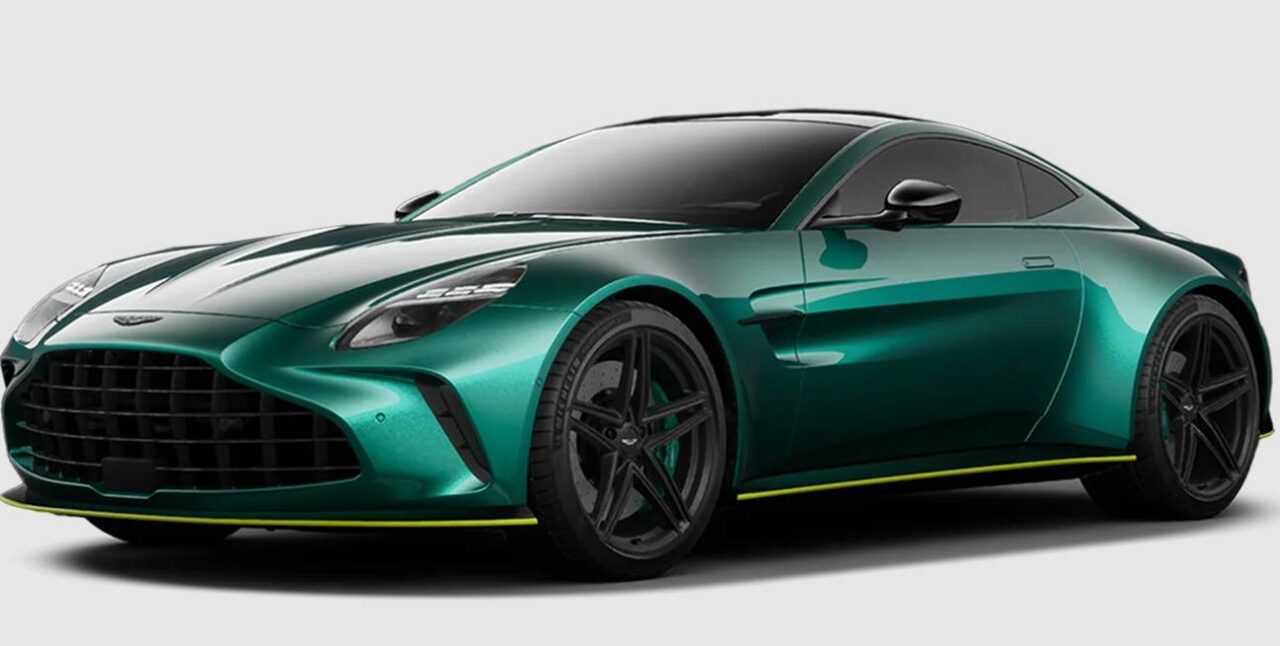
- Key highlights of the showdown:
- Aston Martin Vantage: 4.0-liter twin-turbo V8, 656 hp, rear-wheel drive.
- Corvette E-Ray: 6.2-liter V8 with electric motor, 655 hp, all-wheel drive.
- Price gap: Vantage costs nearly double the E-Ray.
The supercar market is undergoing a transformation, and this clash symbolizes the divergent paths manufacturers can take. While Aston Martin revives the essence of combustion-powered cars, Chevrolet points to a hybrid future without sacrificing the Corvette’s identity.
Design and personality: A stark contrast
The Aston Martin Vantage looks like it stepped out of a James Bond film. Its design blends flowing lines with an aggressive stance, enhanced by details like the imposing front grille and sleek headlights. Inside, hand-stitched leather and aluminum accents create a sophisticated atmosphere. The cabin, though modernized with a new infotainment system, retains the analog charm that defines the brand. It’s a car that doesn’t just accelerate but makes the driver feel unique.
In contrast, the Corvette E-Ray takes a more futuristic approach. The cabin is dominated by digital screens and materials like carbon fiber, evoking the feel of a high-tech cockpit. The exterior design, with angular lines and pronounced air intakes, reinforces the image of a car ready to dominate tracks. The addition of an electric motor doesn’t dilute its essence; instead, it expands its capabilities, offering versatility in various conditions.
- Style differences:
- Vantage: Classic elegance with modern touches.
- E-Ray: Futuristic look with a focus on functionality.
- Target audience: Exclusive luxury vs. accessible performance.
This contrast in styles reflects distinct philosophical choices. Aston Martin seeks exclusivity, while Chevrolet democratizes performance. Yet both manage to turn heads, whether on a city avenue or at a racetrack’s entrance.

Track performance: Numbers and sensations
When it comes to performance, numbers tell only part of the story. The Vantage, with its 4.0-liter twin-turbo V8, delivers 656 horsepower and reaches 202 mph. Its 0–60 mph sprint, in about 3.4 seconds, is impressive, but what truly stands out is how it responds. Rear-wheel drive and a balanced chassis provide a visceral driving experience, ideal for those who relish the challenge of taming a pure car.
The Corvette E-Ray, meanwhile, surprises with its hybrid setup. The 6.2-liter V8, paired with an electric motor, produces 655 horsepower and achieves 0–60 mph in just 2.5 seconds—a remarkable feat for a car in its price range. All-wheel drive, enhanced by the electric motor’s instant torque, ensures exceptional grip, even in adverse conditions.
Handling also differs. The Vantage demands skill, with direct responses and a suspension prioritizing precision. The E-Ray, with its all-wheel drive and technologies like torque vectoring, is more accessible but no less thrilling.
Price and accessibility: Luxury or performance?
Price is where the difference between these models becomes most apparent. The Aston Martin Vantage carries an estimated price tag of around $200,000, placing it in an exclusive luxury category. This cost reflects not just performance but also the brand, design, and exclusivity. It’s a car for those seeking status as much as speed.
The Corvette E-Ray, priced at around $115,000, is a true bargain in the supercar segment. It offers performance comparable to far pricier cars, like Porsches and Ferraris, without sacrificing practicality. The Stealth Mode, allowing silent driving with the electric motor, adds a touch of daily usability.
- Cost comparison:
- Vantage: $200,000 (estimated).
- E-Ray: $115,000.
- Maintenance: Corvette is more affordable long-term.
- Perceived value: Luxury vs. raw performance.
This price disparity makes the E-Ray a logical choice for those prioritizing performance without breaking the bank. The Vantage, however, justifies its cost with an experience that transcends numbers.
The future of supercars
The clash between Vantage and E-Ray isn’t just about the present but about the direction of the automotive industry. Aston Martin represents the resistance of combustion engines, a tribute to the era of deafening roars and pure driving. Every curve driven in the Vantage is a reminder of what’s at risk of vanishing.
The Corvette E-Ray, conversely, shows that electrification doesn’t have to mean monotony. Chevrolet integrated an electric motor without sacrificing the Corvette’s soul, creating a car that’s both innovative and true to its roots. It’s a sign that the future can be thrilling, even with batteries onboard.
Both models challenge the trends of a market prioritizing efficiency and silence. They prove there’s still room for cars that quicken the pulse, whether through the sophistication of a Vantage or the brute force of an E-Ray.
Why this duel matters
The significance of this showdown goes beyond technical specs. In a world where cars are becoming increasingly homogeneous, with giant screens and autonomous systems, Vantage and E-Ray are a breath of authenticity. They cater to different audiences but share the same goal: reigniting the passion for driving.
For purists, the Vantage is the obvious choice, with its blend of luxury and analog performance. For pragmatists, the E-Ray offers a glimpse of the future without abandoning the present. The beauty lies in the diversity of approaches, allowing enthusiasts to choose what resonates most with their vision of performance.
- Reasons to follow:
- They represent the clash between tradition and innovation.
- They offer options for different budgets.
- They reflect the future of supercars.
- They deliver thrills at every turn.
This duel is a celebration of what cars can be: machines that transcend the role of transportation and become extensions of the driver’s personality.
