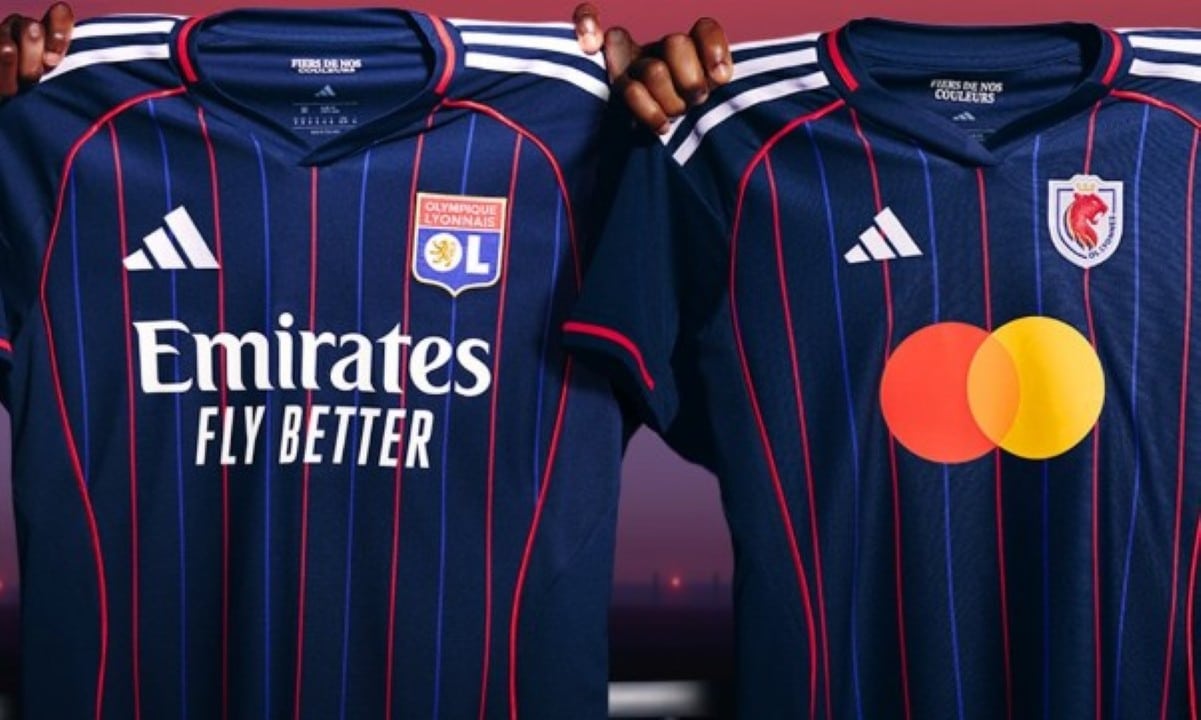
Lyon, the storied French club managed by American businessman John Textor, was relegated to the second tier of French football, Ligue 2, following a decision announced by the National Directorate of Control and Management (DNCG) of the French Professional Football League (LFP) on Tuesday, June 24, 2025. The penalty, driven by a severe financial crisis with debts exceeding 500 million euros (approximately $550 million), marks a historic moment for the club, which has won seven national titles. The ruling, which prevents Lyon from remaining in the top tier for the 2025/2026 season, may still be overturned through an appeal, as promised by Textor, who also owns the SAF of Botafogo. The decision exposes weaknesses in the management of the Eagle Football Group, Textor’s holding company, and raises questions about the multiclub model adopted by the entrepreneur.
Lyon’s financial troubles are not new. Since late 2024, the club faced restrictions imposed by the DNCG, including a ban on signing new players in the January transfer window. The regulatory body demanded financial guarantees of at least 100 million euros to ensure the club’s sustainability. Textor, confident in his strategy, claimed that selling assets, such as his stake in Crystal Palace, would cover the deficit. However, these plans did not materialize in time, leading to the relegation ruling.
Lyon’s journey under Textor’s management has been turbulent. The club, once a powerhouse in Ligue 1, is grappling with financial and sporting instability, despite decent league campaigns. Key points of the crisis include:
- A 25.7 million euro deficit in the 2023/24 season.
- Total debt of the Eagle Football Group estimated at 500 million euros.
- Ban on signings since November 2024.
- Conditional relegation announced in 2024, now finalized.
Roots of the financial crisis
Lyon’s financial situation has deteriorated significantly in recent years, worsened by revenue losses and investments that failed to deliver expected returns. The Eagle Football Group, which controls Lyon and other clubs like Botafogo, reported a 25.7 million euro deficit at the end of the 2023/24 season. This shortfall pushed the holding’s total debt to 500 million euros, a figure that put the club under scrutiny by the DNCG, known for its strict enforcement of Financial Fair Play in France.
Textor, who took over Lyon in 2022, promised an innovative approach based on a multiclub network model. The plan was to integrate revenues and players across Eagle’s clubs, including Botafogo and Crystal Palace, to maximize profits. However, the strategy faced hurdles, including challenges in selling key assets like the 45.3% stake in Crystal Palace. French media reported that the DNCG did not consider the financial potential of the multiclub network, focusing solely on Lyon’s finances as a standalone entity.
Additionally, declining revenues from broadcasting rights and sponsorships contributed to the crisis. Lyon, once among France’s wealthiest clubs, saw its competitiveness wane, impacting its ability to attract investors and top-tier players.
John Textor’s reactions
John Textor, known for his bold and confident demeanor, quickly responded to the relegation. In 2024, after the DNCG’s initial sanctions, he had declared: “Lyon will not be relegated. There’s no chance of that.” At the time, he criticized the regulatory body, suggesting it misunderstood the Eagle Football Group’s business model. Textor also made controversial remarks, hinting at pressures from rivals like Paris Saint-Germain, backed by Qatari investors.
Following the 2025 ruling, Textor announced that Lyon would appeal the decision. In an interview, he emphasized that player sales and financial restructuring are underway. The entrepreneur is banking on listing Eagle on the New York Stock Exchange, planned for the first quarter of 2025, to raise funds. He also mentioned the possibility of selling young talents like Rayan Cherki and Malick Fofana to balance the books.
Immediate sporting impact
On the pitch, Lyon had been striving to remain competitive despite financial constraints. In the 2024/25 season, the club held fifth place in Ligue 1 by November 2024, with 18 points after 11 rounds. However, the transfer ban hindered squad reinforcements, and the sale of players like Gift Orban to Hoffenheim for 12 million euros in January 2025 weakened the team.
The administrative relegation, regardless of sporting performance, is a severe blow. Dropping to Ligue 2 jeopardizes participation in European competitions like the Champions League and sharply reduces revenue from tickets, sponsorships, and TV rights. The passionate fanbase is already organizing protests against Textor’s management, demanding greater financial transparency.
Strategies to reverse the penalty
Lyon has a short window to present a compelling appeal to the DNCG. Textor’s strategy includes:
- Selling high-value players like Cherki and Fofana in the July 2025 transfer window.
- Finalizing the sale of the 45.3% stake in Crystal Palace.
- Raising 140 million euros through Eagle Football Group recapitalization.
- Securing new sponsorship deals to boost revenue.
- Potential sale of Botafogo assets to ease the group’s financial pressure.
French media speculate that qualifying for the 2025/26 Champions League could provide significant financial relief, but the administrative relegation makes this goal unfeasible in the short term. The DNCG remains steadfast, demanding concrete guarantees before reconsidering the ruling.
Connection to Botafogo
Lyon’s crisis also raises concerns about its impact on Botafogo, another club under Textor’s management. The Eagle Football Group operates an integrated network, with financial and player movements across its clubs. In 2024, speculation arose that Botafogo might sell players like Luiz Henrique and Igor Jesus to help cover Lyon’s deficit. This possibility sparked criticism from Brazilian fans, who fear the Rio club could be harmed by mismanagement in France.
Although the clubs’ legal structures are separate, Eagle’s financial interdependence poses risks. Botafogo, the 2024 Brazilian Championship leader and Libertadores finalist, is on an upward trajectory, but pressure to sell players could derail its 2025 plans.
Lyon’s historical context
Lyon is one of France’s most prestigious clubs, with seven consecutive Ligue 1 titles from 2002 to 2008. Under Jean-Michel Aulas’ presidency, the club became a sporting and financial powerhouse, but struggles emerged post-Covid-19. Textor’s arrival in 2022 brought hopes of recovery, but inherited issues, such as high debts, proved more complex than anticipated.
The DNCG’s decision is a rare milestone in European football, where administrative relegations are uncommon among elite clubs. Lyon’s case serves as a warning about the importance of Financial Fair Play and responsible management, especially in leagues with strict regulations like France’s.
The club’s next steps
In the coming days, Lyon must formalize its appeal against the relegation. The hearing with the DNCG will be critical to determine if the club can provide sufficient financial guarantees. Textor, known for his determination, faces one of the biggest challenges of his football career. Meanwhile, fans anxiously await signs of recovery, fearing the club’s first second-division season in decades.
Player sales in the July transfer window will be a decisive test. Names like Rayan Cherki, valued at around 30 million euros, are seen as key assets to ease financial pressure. Additionally, restructuring the club’s management, with tighter control over the wage bill, is a DNCG requirement to avoid future sanctions.
French football landscape
Lyon’s relegation comes amid transformations in French football. Ligue 1 struggles to compete with other European leagues, like the Premier League and La Liga, due to financial disparities among clubs. The dominance of Paris Saint-Germain, backed by Qatari investment, has drawn criticism from Textor, who has accused the club of influencing league decisions.
Other French clubs, such as Bordeaux and Saint-Étienne, have faced financial issues in recent years, but Lyon’s case stands out due to its prominence. The DNCG’s ruling reinforces France’s reputation as one of the strictest enforcers of Financial Fair Play, setting an example for other leagues.
