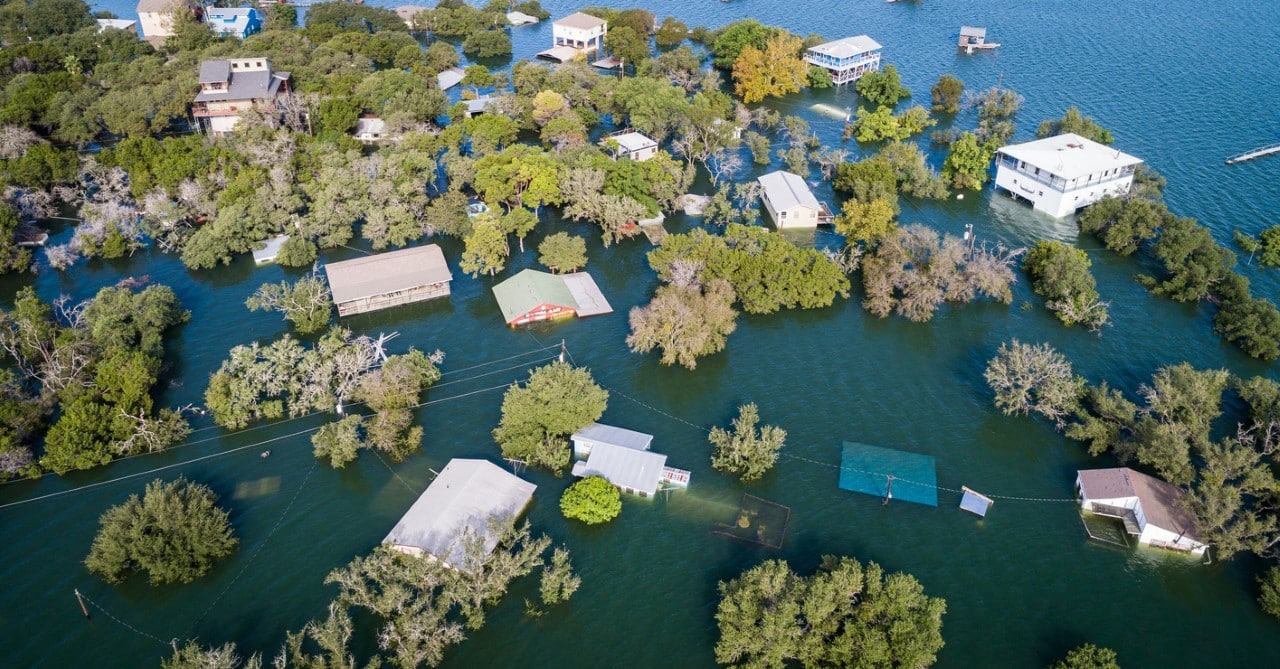
Torrential rains triggered catastrophic flash floods along the Rio Guadalupe in Texas on July 4, 2025, killing at least 27 people, including nine children, and leaving 27 girls missing from a Christian summer camp in Kerrville. The disaster, striking during the Independence Day holiday, prompted the U.S. National Weather Service to declare a flash flood emergency in Kerr County, 65 miles northwest of San Antonio. Rescue teams, using 14 helicopters and 500 personnel, saved 237 people, but the rapid rise of the river prevented timely evacuations. Governor Greg Abbott mobilized unlimited resources for ongoing search efforts, while President Donald Trump, speaking from Air Force One, pledged federal aid. With more rain forecast, the threat of further flooding looms over San Antonio to Waco, intensifying the crisis.
The floods submerged the Camp Mystic summer camp, where 700 children were staying, and destroyed homes and infrastructure. The Rio Guadalupe rose 26 feet in 45 minutes, catching residents and officials off guard.
- Key affected areas:
- Kerrville, Kerr County’s seat.
- Hunt and Ingram, near the Rio Guadalupe.
- Camp Mystic, a Christian summer camp.
- Residential subdivisions and trailer parks.
Search operations continue around the clock, with communities rallying to support victims and locate the missing girls.
Unprecedented rise of the Rio Guadalupe
The Rio Guadalupe, notorious as the “most flood-prone river in the U.S.,” surged from 7 feet to 33 feet in under four hours, fueled by 12 inches of rain per hour—nearly a third of Kerr County’s annual average. Dalton Rice, Kerrville’s city manager, reported the flood struck before dawn, leaving no time for evacuation orders despite active radar monitoring. The sudden deluge overwhelmed the region, submerging homes, uprooting trees, and sweeping away vehicles.
In Kerr County, 2,700 residents lost power, while neighboring Burnet County reported 3,500 outages. The flood damaged bridges and roads, isolating communities like Ingram and Hunt. Judge Rob Kelly noted that the thin soil and steep terrain of the Texas Hill Country exacerbated the flooding, making it nearly impossible to absorb such heavy rainfall.
Soila Reyna, a 55-year-old Kerrville resident, described the streets turning into rivers, with water levels reaching unprecedented heights. The lack of accurate forecasting, despite warnings of heavy rain on July 3, hindered preparations, as the National Weather Service underestimated the storm’s intensity.
Devastation at Camp Mystic
Camp Mystic, a Christian summer camp along the Rio Guadalupe, suffered catastrophic damage as floodwaters destroyed cabins housing girls aged 8 to 14. Of the 700 children at the camp, 27 remain missing, with search efforts focused on the riverbanks. Elinor Lester, a 13-year-old camper, recounted the chaos as younger girls’ cabins, located closer to the river, were swept away. Older campers in elevated areas escaped the worst but witnessed the destruction.
The camp lost access to water, electricity, and internet, complicating rescue efforts. The Heart O’ Hills camp in Hunt reported the death of its director, Jane Ragsdale, a beloved figure in the community. Families of the missing girls flooded social media with photos and pleas for information, while the Texas National Guard and U.S. Coast Guard deployed teams to search the debris-strewn river.
- Details of Camp Mystic crisis:
- Hosted 700 children, aged 8 to 18.
- Cabins near the river were destroyed.
- 27 girls, aged 8 to 14, remain missing.
- Older campers in higher cabins were safer.
Rescue operations in full force
Rescue teams, comprising 500 personnel, 14 helicopters, and 12 drones, saved 237 people by Friday night, including 167 airlifted from flooded areas. Governor Greg Abbott shared footage of a dramatic rescue, showing a person stranded in a tree amid raging waters. The Texas Department of Public Safety, led by Freeman Martin, reported improved visibility at dawn, aiding search efforts, but muddy terrain and damaged roads slowed progress.
The focus remains on locating 750 minors from other camps in the region, who may be stranded without communication. The Federal Emergency Management Agency (FEMA) and U.S. Coast Guard bolstered local teams, with boats navigating flooded zones. Vice Governor Dan Patrick urged residents to pray for the missing, emphasizing the scale of the tragedy.
Emergency declaration and federal aid
The National Weather Service issued a flash flood emergency for Kerr County and Concho Valley after the storm dumped 30 centimeters of rain. Governor Abbott declared a disaster for Kerr, Hunt, Ingram, and other counties, unlocking state and federal resources. President Trump, addressing reporters, vowed full federal support, ensuring FEMA’s involvement in providing shelters and supplies.
Kerrville’s mayor, Joe Herring Jr., declared a local disaster, canceling Independence Day events, including a fireworks display planned at Louise Hays Park, now underwater. The ongoing threat of rain through July 6 keeps authorities on high alert, with warnings extending from San Antonio to Austin and Waco.
- Emergency measures:
- Disaster declaration for multiple counties.
- FEMA and U.S. Coast Guard deployed for rescues.
- Cancellation of July 4th events in Kerrville.
- Flash flood warnings for San Antonio to Waco.
History of flooding in Kerr County
Kerr County’s Texas Hill Country is prone to flash floods due to its rocky terrain and thin soil, which limit water absorption. The 1987 Guadalupe River flood killed ten people, including teens at a Christian camp, mirroring the current tragedy. In June 2025, San Antonio floods claimed ten lives, underscoring the region’s vulnerability. The July 4 flood ranks as the second-worst in the river’s history, behind the 1932 flood, which reached 35 feet.
The Guadalupe’s north and south forks, converging in Kerrville, amplified the flood’s severity, hitting both fronts simultaneously. Judge Rob Kelly criticized the lack of a robust early-warning system, noting that Thursday’s forecasts predicted only moderate rain, failing to anticipate the storm’s ferocity.
Voices from the ground
Soila Reyna, a Kerrville church worker, described the desperation as residents lost homes and belongings. “It was like nothing we’ve ever seen,” she said, helping organize donations. Sheriff Larry Leitha confirmed 27 deaths, including three girls aged 8 and 9, with one additional death in Kendall County pending confirmation.
Elinor Lester, a Camp Mystic survivor, shared the terror of watching cabins collapse, while older campers tried to protect younger ones. Vice Governor Patrick noted the challenge of locating 750 minors from other camps, as communication lines remain down. Community members, like pastor David Danielson, are providing shelter and food to displaced families.

Infrastructure damage and recovery
The flood ravaged Kerr County’s infrastructure, leaving roads impassable and thousands without power. In Burnet County, 3,500 residents faced outages, while Kerr reported 2,700. The Comfort Volunteer Fire Department used sirens to urge evacuations, instructing residents to take documents and medications to higher ground.
Social media footage showed homes, trees, and vehicles swept away, with drones capturing submerged neighborhoods in San Angelo and Comfort. Damaged bridges and telecom lines hindered family reunifications, amplifying distress. The cost of repairs is estimated at $250 million, with federal aid expected to cover 75% of public infrastructure costs.
Ongoing weather threats
The National Weather Service warned of additional storms through July 6, with even light rain posing risks due to saturated soil. W. Nim Kidd, head of Texas’ Emergency Management Division, noted that initial forecasts failed to predict the storm’s intensity, complicating preparations. Alerts cover a 150-mile corridor from San Antonio to Waco, with Mason County’s Llano River also at critical levels.
Residents are urged to avoid rivers and low-lying areas, while rescue teams prioritize searches before new rainfall. The deployment of 14 helicopters and 12 drones continues, with the National Guard assisting in remote areas.
- Regions at risk of further flooding:
- San Antonio, 65 miles from Kerrville.
- Austin, 120 miles from Kerrville.
- Waco, 150 miles from Kerrville.
- Mason County, with the Llano River on alert.
Community response and support
Kerrville residents and nearby communities have set up donation centers in churches and schools, collecting food, clothing, and water. Families of the missing girls shared photos online, seeking information, while volunteers assist in shelters. The tragedy halted July 4th celebrations across Kerrville, Boerne, and Comfort, with resources redirected to emergency efforts.
Mayor Joe Herring Jr. urged residents to stay home to ease rescue operations, as blocked roads and ongoing searches strain local resources. The community’s resilience shines through, with locals like David Danielson providing meals and temporary housing for displaced families.
