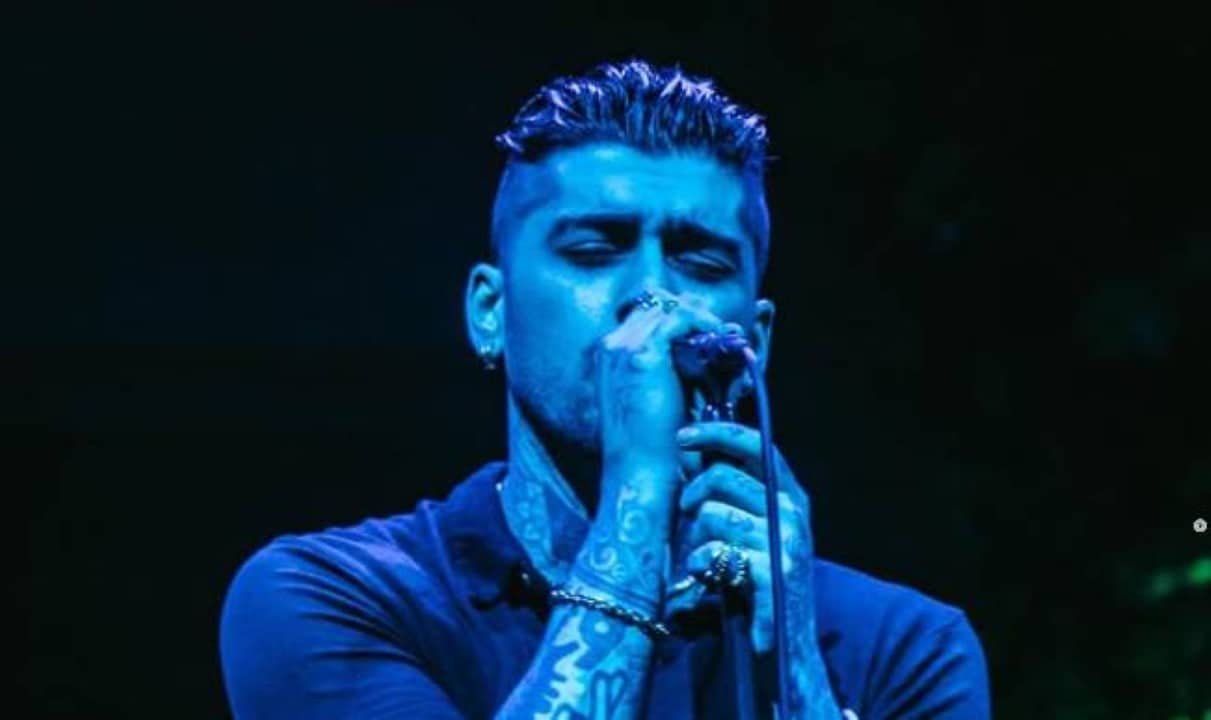
Zayn Malik, former One Direction member, disclosed on July 5, 2025, that he faced racism and xenophobia during his five years with the British boyband, formed in 2010 on The X Factor. In a candid social media post, the singer of Pakistani descent, the only non-white member, described enduring derogatory remarks, including mockery for being Asian, from fans, media, and even band management. His statement, “I worked hard in a white band, and they still laughed at the Asian,” sparked widespread reactions, reigniting discussions about discrimination in the music industry. Zayn, who left the group in March 2015, shared these experiences while promoting a new single addressing his identity and resilience. The lack of internal support and external attacks contributed to his departure, he said, highlighting the emotional toll of prejudice.
The revelation, tied to a new song about his heritage, prompted a flood of support from fans, though former bandmates Harry Styles, Niall Horan, Liam Payne, and Louis Tomlinson have not responded.
- Key points of Zayn’s disclosure:
- Racist comments from fans and media targeting his Pakistani roots.
- Xenophobic remarks from band management.
- Isolation as the only non-white member of One Direction.
- Psychological impact influencing his exit from the band.
Zayn’s statement has fueled calls for greater diversity in pop music, spotlighting systemic issues in the industry.
Fan reactions and online response
Zayn Malik’s July 5, 2025, revelation dominated social media, with hashtags like #ZaynRacism and #OneDirectionRacism trending globally. Fans expressed solidarity, praising his bravery for addressing racism publicly. A Brazilian fan account posted: “Zayn was the only non-white member, and his struggles were ignored.” Some criticized the silence from his former bandmates, while others defended Harry, Louis, Niall, and Liam, noting Zayn did not directly implicate them.
No official response has come from One Direction’s former management, Syco Records, or the band’s members, intensifying debates. Advocacy groups like Brown History lauded Zayn’s openness, emphasizing how his experience highlights barriers for minority artists in pop. The lack of a statement from Simon Cowell’s team has drawn scrutiny, with fans questioning the role of management in fostering a discriminatory environment.
Zayn’s exit from One Direction
Zayn left One Direction on March 25, 2015, during the On The Road Again tour, citing a need to be “a normal 22-year-old” and seek privacy. At the time, he faced media scrutiny over a photo with a fan in Thailand, sparking rumors about his relationship with then-fiancée Perrie Edwards. In later interviews, he cited creative constraints, describing the band’s music as “generic pop” that clashed with his R&B influences.
In a 2015 Fader interview, Zayn revealed tensions with management over his lack of creative input, which stifled his authenticity. His 2025 racism disclosure adds that racial discrimination worsened his experience, contributing to his decision to leave. The abrupt exit shocked fans and marked a turning point, leading to his solo career with the 2016 hit Pillowtalk.
- Reasons for Zayn’s departure:
- Creative limitations in One Direction’s pop sound.
- Conflicts with band management.
- Emotional strain from racist and xenophobic remarks.
- Desire for a solo career and personal privacy.
Zayn’s Pakistani heritage
Born Zain Javadd Malik on January 12, 1993, in Bradford, England, to Pakistani father Yaser Malik and British-Irish mother Tricia Malik, Zayn faced identity challenges growing up multiracial. As the sole non-white One Direction member, he endured racist comments, including accusations of terrorism tied to his Pakistani background, as noted by fans on social media.
In 2016, rapper Azealia Banks targeted Zayn with xenophobic slurs, including “curry scented,” leading to her removal from a UK festival after public backlash. Zayn responded calmly, questioning her motives. These attacks, coupled with fan and media mockery of his “Asian” identity, isolated him in the band. His music, like the 2016 track Freedun with M.I.A., and his 2016 autobiography reflect his pride in his heritage despite prejudice.
Tensions within One Direction
Zayn previously discussed internal band conflicts, noting in a 2023 Call Her Daddy podcast that “politics” and disagreements over contracts strained relationships. He admitted to a competitive drive to launch a solo career first, resulting in his 2016 album Mind of Mine. His absence at Louis Tomlinson’s 2016 X Factor performance, after the death of Tomlinson’s mother, sparked public criticism from Louis.
In 2019, Harry Styles expressed sadness over Zayn’s exit but supported his need for happiness. By 2025, Zayn confirmed he no longer speaks with his former bandmates, citing “bad things” said post-departure. His recent disclosure suggests racial dynamics played a significant role in these tensions, though he did not directly accuse his bandmates.
Social media impact
Zayn’s post garnered over 500,000 mentions under #ZaynRacism within 24 hours, with fans sharing stories of racist attacks he faced, like being called “terrorist” due to his heritage. Some defended the other members, arguing Zayn’s comments targeted management and external parties. The debate highlighted the lack of diversity in pop boybands, with fans calling for accountability from Syco Records.
Advocacy groups amplified Zayn’s message, linking it to broader issues of representation. A fan wrote: “Zayn’s courage shows why we need more non-white voices in music.” The silence from One Direction’s members fueled speculation, with some fans urging Harry Styles, now a solo superstar, to address the issue.
- Social media reactions:
- Widespread support for Zayn’s racism disclosure.
- Criticism of media for ignoring his struggles.
- Defense of bandmates by some fans, citing no direct blame.
- Calls for diversity in the music industry.
Zayn’s solo journey
Since leaving One Direction, Zayn built a successful solo career, starting with Mind of Mine (2016), featuring Pillowtalk, a UK and U.S. chart-topper. His albums Icarus Falls (2018) and Nobody Is Listening (2021) leaned into R&B, distinct from the band’s pop style. His 2025 album, Room Under The Stairs, released May 17, includes introspective tracks like What I Am, addressing his identity.
Zayn has openly discussed mental health and racism, using his platform to inspire change. In 2024, he reflected on “good times” with One Direction but emphasized the toll of being the only non-white member. His autobiography details his multiracial upbringing and industry challenges.
One Direction’s formation and legacy
Formed on July 23, 2010, on The X Factor by Simon Cowell and Nicole Scherzinger, One Direction placed third but signed with Syco Records, releasing five albums: Up All Night (2011), Take Me Home (2012), Midnight Memories (2013), Four (2014), and Made in the A.M. (2015). Selling over 70 million records, the band went on hiatus in 2016.
Zayn’s R&B influences clashed with the band’s pop direction, limiting his creative input. His 2025 revelation underscores how racial dynamics shaped his experience, contrasting with the band’s global success.
Racism in the music industry
Zayn’s experience mirrors struggles of other non-white artists. British-Indian singer Jay Sean found greater success in the U.S. due to UK prejudice, while M.I.A. faced similar stereotypes. The 2016 #curryscentedbitch incident with Azealia Banks highlighted the racism Zayn endured, often amplified by media.
Pop boybands, predominantly white, rarely address racial diversity, making Zayn’s role in One Direction groundbreaking yet isolating. His 2025 statement, tied to his new music, uses art to confront prejudice, pushing for change in the industry.
