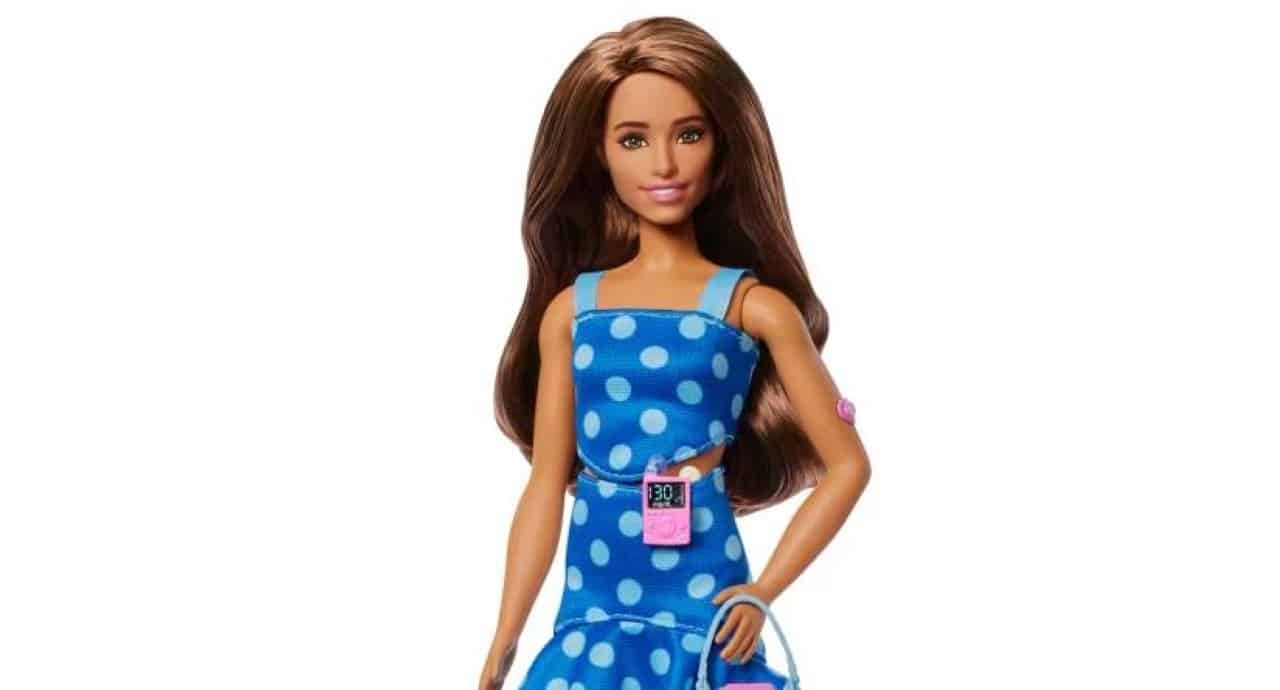
In Washington, on Tuesday, October 1, 2025, Mattel unveiled the first Barbie with type 1 diabetes, a doll equipped with an insulin pump and glucose monitor, designed to represent the roughly 304,000 American children and teens living with the condition. Developed in partnership with Breakthrough T1D, the doll was introduced at the organization’s Children’s Congress, an event that brings together young people to discuss advocacy with lawmakers. The initiative aims to promote inclusion, raise awareness about the autoimmune disease, and highlight the importance of funding for the Special Diabetes Program, which faces uncertainty with its budget expiring in September. Part of the Fashionista line, the doll combines style and functionality, featuring accessories like snacks for blood sugar control and an app displaying glucose readings.

The launch comes at a critical time. Type 1 diabetes, which requires constant monitoring and insulin administration, affects individuals from childhood, demanding daily adjustments. Representing the condition through an iconic doll like Barbie enhances visibility of the challenges faced by young people and their families. Mattel, known for expanding its dolls’ diversity, seeks to inspire empathy and self-esteem in children living with the condition.
- Impact of representation: The doll reflects the reality of those living with diabetes, showcasing medical devices as part of daily life.
- Awareness: Blue polka dots on her outfit symbolize the global diabetes awareness campaign.
- Community engagement: The launch at the congress connects kids with the cause, encouraging discussions on public policy.
The partnership with Breakthrough T1D ensured the doll was designed authentically, following two years of focus groups to capture the community’s needs.
Details that make a difference
The new Barbie stands out not only for its inclusivity but also for its attention to detail. Her outfit, featuring a blue polka-dot crop top and ruffled miniskirt, was designed to incorporate diabetes awareness symbols. The insulin pump, attached to her waist, and the glucose monitor on her arm, secured with a heart-shaped pink strap, are accurate replicas of real devices. These elements were developed based on feedback from people with type 1 diabetes, ensuring the doll reflects the reality of those who use these tools daily.
Emily Mazreku, from Breakthrough T1D, who lives with the condition, led the project. She notes that the doll’s phone displays an app with a glucose reading of 130 mg/dl, within the healthy range. The monitor’s graph shows blood sugar fluctuations, a common experience for those managing the condition. These technical details, though subtle, mark a milestone in normalizing medical devices in toys, allowing children to identify with the doll naturally.
The most charming accessory, according to Mazreku, is the blue bag that matches the doll’s shoes. In it, Barbie carries snacks essential for stabilizing blood sugar, a common practice among people with diabetes. The bag is not just a stylish item but a functional representation of how young people organize their routines to manage the condition.
A line committed to diversity
The Barbie with type 1 diabetes is part of the Fashionista line, which includes over 175 different models, covering various skin tones, hair types, and physical conditions. In recent years, Mattel has released dolls with vitiligo, Down syndrome, hearing aids, and prosthetic legs, responding to growing demand for inclusive toys. In 2024, the blind Barbie and the doll with Down syndrome were among the top-selling Fashionista models globally, signaling that inclusivity resonates with audiences.
Mattel’s history of inclusion began in 1997 with the release of Becky, a doll in a wheelchair. At the time, consumers noted that Becky’s wheelchair didn’t fit through the doors of Barbie’s Dream House, mirroring real-world accessibility barriers. Since then, Mattel has refined its designs, incorporating feedback from communities and experts. The new Barbie with diabetes exemplifies this commitment, designed to be both functional and inspiring.
- Line evolution: The Fashionista line includes dolls with unique features, such as canes and skin conditions.
- Ongoing feedback: Focus groups ensure dolls accurately represent communities.
- Popularity: Inclusive models have driven Mattel’s global sales.
- Learning through play: Dolls with disabilities help kids understand and respect differences.
The role of play in inclusion
Playing with dolls that reflect conditions like type 1 diabetes goes beyond entertainment. Research by scholars like Dr. Sian Jones from Queen Margaret University in Scotland shows that inclusive toys help reduce systemic inequalities. When children engage with dolls that use medical devices or face physical challenges, they develop empathy and learn to identify barriers faced by people with disabilities.
The “mirrors and windows” theory, proposed by Professor Rudine Sims Bishop, explains this phenomenon. Dolls like the Barbie with type 1 diabetes serve as “mirrors” for children living with the condition, allowing them to see themselves represented. For others, they are “windows” that offer insights into different realities, fostering mutual understanding. Jones, who lives with cerebral palsy, emphasizes that inclusive toys encourage kids to create solutions, like ramps for wheelchair-using dolls, applying these lessons in real life.
Mazreku shares a personal experience that illustrates this impact. When she brought the doll home to her 3-year-old daughter, who does not have diabetes, the child said, “She looks like Mommy.” The moment underscored how representation can strengthen family bonds and normalize living with the condition. The doll, Mazreku says, helps children see medical devices as natural, reducing stigma.
Advocacy and financial challenges
The doll’s launch aligns with a pivotal moment for the type 1 diabetes community in the U.S. During the Breakthrough T1D Children’s Congress, young people met with lawmakers to advocate for the renewal of the Special Diabetes Program, which has funded research and treatments since 1997. With the current budget expiring in September 2025, the organization fears cuts amid recent fiscal constraints in the U.S. government.
Type 1 diabetes requires intensive care, including daily injections or insulin pumps and constant monitoring. Without adequate funding, access to technologies like continuous glucose monitors could be limited, particularly for low-income families. Breakthrough T1D estimates that 1.45 million Americans live with the condition, with pediatric diagnoses rising annually.
- Cost of the condition: Treatments can cost thousands of dollars yearly without proper coverage.
- Research at risk: The program funds studies for new therapies and potential cures.
- Legislative pressure: Kids at the congress urge prioritization of public health.
A milestone for awareness
The Barbie with type 1 diabetes is more than a toy; it’s a tool for education and inclusion. Its launch underscores the importance of representing chronic conditions in pop culture, helping to demystify diabetes and promote acceptance. Mattel plans to expand the doll’s distribution, with availability in stores expected by 2026, broadening its reach to children worldwide.
The initiative also highlights the power of partnerships between companies and health organizations. Collaboration with Breakthrough T1D ensured the doll was more than a product but a symbol of resilience and representation. For children like Mazreku’s daughter, the Barbie is an inspiration to embrace differences and live confidently.
The doll is already sparking conversations on social media, with parents and educators praising Mattel for giving visibility to an often-overlooked community. As the Fashionista line grows, the expectation is that more conditions and identities will be represented, transforming play into a lesson in diversity and empathy.
