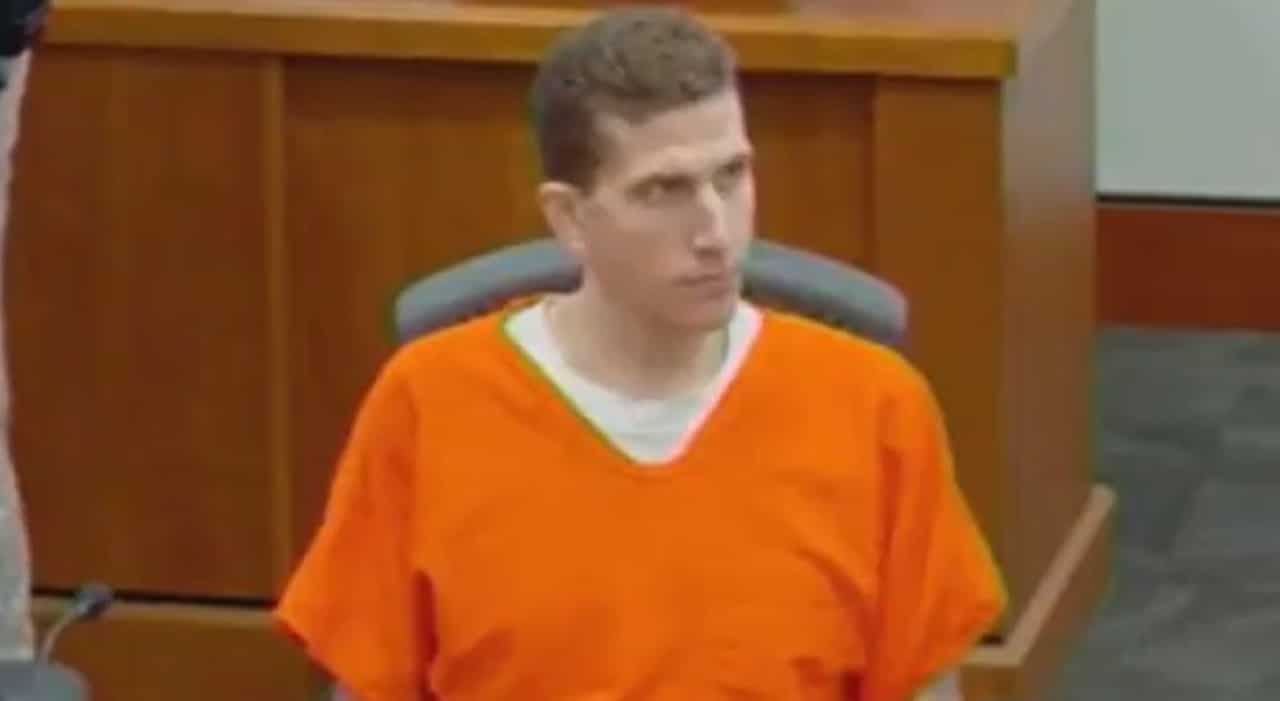
On July 23, 2025, Dylan Mortensen and Bethany Funke, survivors of the 2022 University of Idaho murders, delivered poignant victim impact statements during Bryan Kohberger’s sentencing hearing at the Ada County Courthouse in Boise. Marking their first public comments since the brutal killings of four students, their words resonated with grief and a quest for justice. Kohberger, a former criminology doctoral student, received four consecutive life sentences without parole after pleading guilty to four counts of first-degree murder and one count of burglary. The crimes, which shook the small town of Moscow, Idaho, left lasting scars on the survivors, who spoke of enduring trauma and their efforts to rebuild. The plea deal, which spared Kohberger the death penalty, sparked mixed reactions among victims’ families, some of whom sought more answers about the motive.
The survivors’ statements were a focal point of the packed courtroom. Mortensen, overcome with emotion, described Kohberger as “an empty vessel, less than human,” emphasizing the profound loss of her friends. Funke, absent from the hearing, had her written statement read by a friend, expressing survivor’s guilt and a commitment to honor the victims’ memories. The case, which gripped national attention, continues to raise unresolved questions, including why Kohberger targeted the victims and the whereabouts of the murder weapon.
- Trauma’s Lasting Effects: Mortensen detailed ongoing panic attacks and hypervigilance.
- Funke’s Tribute: Her statement honored the unique qualities of each victim.
- Family Reactions: Some families supported the plea deal, while others, like the Goncalves, demanded more clarity.
The sentencing, presided over by Judge Steven Hippler, underscored the case’s severity and the community’s search for closure, as the survivors strive to heal.
Emotional testimonies in court
Dylan Mortensen, now 22, faced the courtroom with courage, sharing how the November 13, 2022, murders reshaped her life. She described debilitating panic attacks, hypervigilance, and a fear of sudden noises, saying, “He broke parts of me, but I’m still piecing myself back together.” Mortensen recounted a dream where she bid farewell to her friends, a moment that helped her begin to process her grief. Her tearful testimony moved many in the courtroom, including victims’ families and supporters.
Bethany Funke, who did not attend, had her statement read aloud by a friend. She expressed guilt for surviving while her friends—Kaylee Goncalves, Madison Mogen, Xana Kernodle, and Ethan Chapin—were killed. Funke described Kernodle as “one in a million,” Goncalves as “full of energy and life,” Mogen as “a ray of sunshine,” and Chapin as “kind and easy to talk to.” She vowed to keep their memories alive through nightly prayers and a life dedicated to their legacy.
- Ongoing Trauma: Mortensen struggles with exhaustion and constant fear.
- Victim Tributes: Funke highlighted each friend’s unique personality.
- Seeking Justice: Both survivors said speaking out was a step toward justice.
Crime and sentencing context
The murders took place in the early hours of November 13, 2022, in an off-campus rental home in Moscow, Idaho. Kohberger, then a doctoral student at Washington State University, entered the house through a sliding kitchen door and stabbed the four victims on the third floor. The murder weapon, a KA-BAR knife, was never recovered, but a sheath bearing Kohberger’s DNA was found at the scene. A six-week investigation led to his arrest in Pennsylvania, supported by evidence including DNA, cellphone records, and footage of his white Hyundai Elantra.
The plea deal, finalized on June 30, 2025, averted a trial scheduled for August and secured four life sentences plus 10 years for burglary. Kohberger waived his appeal rights, a condition that divided families but spared them a prolonged legal battle.
- Key Evidence: DNA on the knife sheath and cellphone data tied Kohberger to the crime.
- Controversial Deal: Some families criticized the lack of prior consultation.
- Venue Change: The case moved from Moscow to Boise due to intense media coverage.
Family and community responses
Victims’ families expressed varied reactions to the plea deal. The Goncalves family, led by Steve Goncalves, voiced frustration, calling the agreement a “deal with the devil” and demanding details about the murder weapon and whether Kohberger acted alone. Conversely, the families of Madison Mogen and Ethan Chapin supported the deal, citing relief from avoiding a lengthy trial and potential decades of appeals.
Moscow, a town that hadn’t seen a homicide in five years before the murders, was deeply shaken. The University of Idaho, where the victims studied, became a symbol of mourning and resilience, hosting memorials and community events to honor the students.
- Family Divide: Goncalves opposed the deal, while Mogen and Chapin families endorsed it.
- Community Impact: Moscow faced national scrutiny after the tragedy.
- Memorial Efforts: The university continues to honor the victims through events.
Investigation and justice served
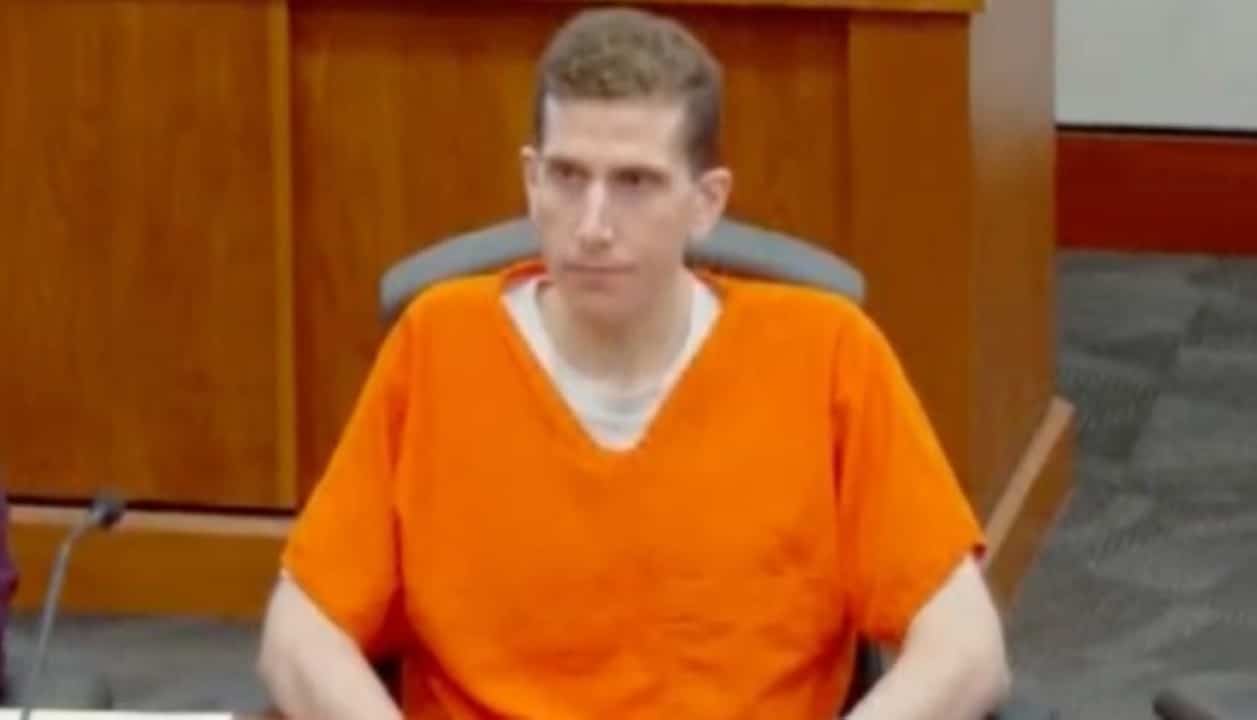
The investigation, led by Moscow police and the FBI, leveraged cutting-edge techniques like genetic genealogy to identify Kohberger via DNA from the crime scene. Cellphone data showed him circling the victims’ neighborhood multiple times before the murders, and the knife sheath, purchased by Kohberger months earlier, was pivotal evidence.
Judge Hippler, during sentencing, called Kohberger a “coward” for refusing to explain his motives, a sentiment echoed by families seeking closure. The lack of a clear motive remains a lingering frustration for all involved.
- Genetic Genealogy: DNA tracing linked Kohberger to the crime scene.
- Digital Evidence: Cellphone records mapped his movements near the house.
- Judicial Critique: The judge lamented the absence of a motive explanation.
Victims’ legacy and survivors’ healing
Mortensen and Funke’s statements underscored the victims’ enduring impact. Kaylee Goncalves was known for her vibrant energy, Madison Mogen for her infectious joy, Xana Kernodle for her uniqueness, and Ethan Chapin for his kindness. The survivors expressed a commitment to living in a way that honors their friends, despite their ongoing trauma.
The case sparked broader discussions about campus safety and the psychological toll of violent crimes in small communities. The University of Idaho expanded mental health support, and the survivors have sought therapy to cope with grief and guilt.
- Living Legacy: Survivors aim to honor victims through their actions.
- Campus Changes: The university bolstered mental health resources.
- Community Reflection: Moscow seeks ways to prevent future tragedies.
