
On August 6 and 9, 1945, Hiroshima and Nagasaki, Japan, were devastated by the only atomic bombs ever used in warfare, dropped by the United States. The explosions killed between 110,000 and 210,000 people, leaving a legacy of destruction, trauma, and warnings against nuclear weapons. Survivors, known as hibakusha, continue to share their stories to keep the memory of the horror alive while the world faces the risk of new nuclear conflicts. The decision to use the bombs, which ended World War II, remains debated: was it a necessary act or an avoidable tragedy? This article revisits the events, their impacts, and the voices of survivors.
The Hiroshima attack occurred at 8:15 AM, with the “Little Boy” bomb, followed three days later by “Fat Man” in Nagasaki. The explosions obliterated cities, burned bodies, and left physical and psychological scars that persist. Hibakusha like Masako Wada and Toshio Tanaka share their stories to prevent humanity from repeating the mistake.
- What happened: Atomic bombs devastated Hiroshima and Nagasaki, killing thousands instantly.
- Immediate impact: Cities reduced to rubble, with temperatures reaching 4,000°C.
- Legacy: Survivors face diseases, trauma, and discrimination to this day.
- Current risk: Global conflicts reignite fears of nuclear war.
The day hell came to Hiroshima
Hiroshima, August 6, 1945, dawned sunny. At 8:15 AM, the Enola Gay bomber dropped “Little Boy,” a uranium-235 bomb that exploded 600 meters above the ground. The blast, equivalent to 15,000 tons of TNT, incinerated everything within a 4.5-km radius. Toshio Tanaka, then six years old, recalls the blinding flash and people with melting skin walking like “ghosts.” Between 50,000 and 100,000 people died that day, and two-thirds of the city’s buildings were reduced to rubble.
The bomb generated a devastating heat wave and radiation that caused immediate deaths and long-term illnesses. Survivors reported nausea, bleeding, and hair loss. In the following years, leukemia and cancer cases surged.
- Blast strength: Equivalent to 15,000 tons of TNT.
- Immediate victims: Estimated between 50,000 and 100,000.
- Physical destruction: 60,000 buildings demolished.
- Radiation effects: Leukemia and cancer rates skyrocketed.
Nagasaki: the second atomic strike
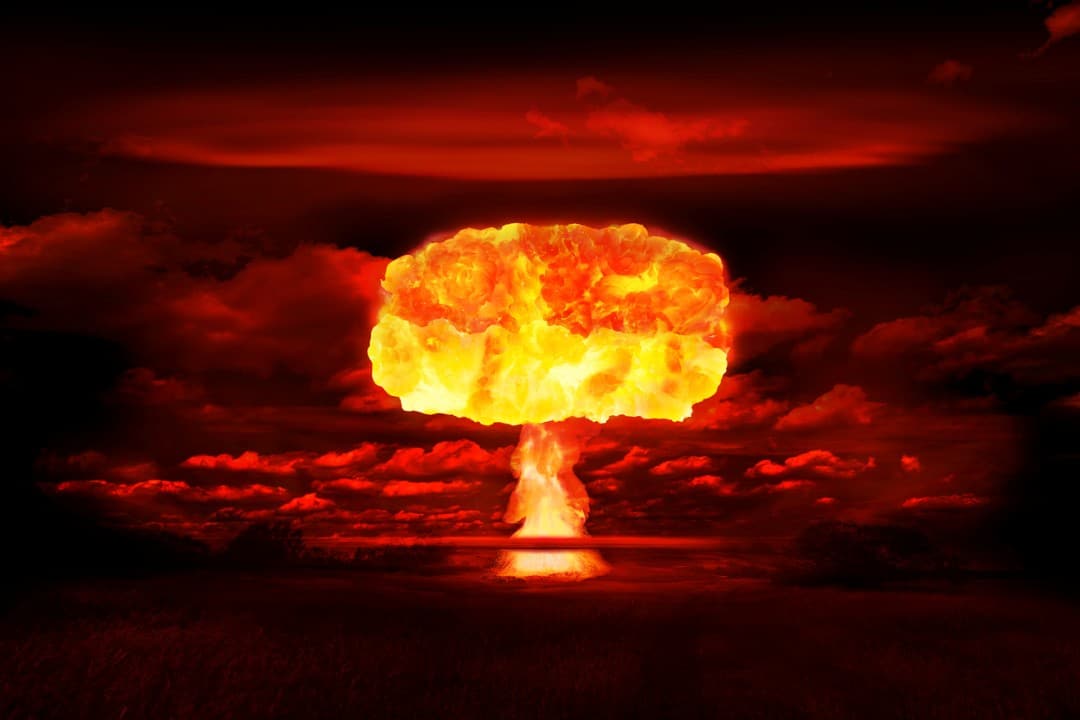
Three days after Hiroshima, on August 9, Nagasaki was hit by “Fat Man,” a plutonium-239 bomb. Dropped by the Bockscar bomber at 11:02 AM, the explosion released energy equivalent to 21,000 tons of TNT. Kokura was the original target, but fog diverted the mission to Nagasaki, despite its hilly terrain. The bomb destroyed 7.7 km², about 40% of the city, killing between 35,000 and 80,000 people by the end of 1945.
Survivor Sumiteru Taniguchi described the scene as a “sea of fire,” with charred bodies and people with exposed organs. The rugged terrain limited the destruction, but the suffering was equally horrific. Survivors faced a lack of medical care and deep trauma.
- Target change: Kokura was replaced by Nagasaki due to weather.
- Explosion: 21,000 tons of TNT, stronger than Hiroshima’s.
- Destruction: 7.7 km² devastated, 40% of the city in ruins.
- Accounts: Survivors described scenes of horror, with disfigured bodies.
Japan’s surrender and the war’s end
After the attacks, Japan announced its surrender on August 15, 1945. Emperor Hirohito urged the nation to “endure the unendurable.” The formal surrender was signed on September 2 aboard the USS Missouri, ending World War II. The decision to use the bombs remains controversial. Some argue it prevented a land invasion, saving lives; others call it immoral for targeting civilians.
The bombings marked history as the only nuclear attacks in warfare. Their effects shaped the debate on nuclear weapons and wartime ethics.
- Surrender: Announced on August 15, formalized on September 2.
- Ethical debate: Military necessity versus the morality of civilian deaths.
- Historical milestone: The only nuclear attacks in war to date.
The suffering of the hibakusha
Survivors, known as hibakusha, faced not only physical injuries but also psychological trauma and discrimination. Many suffered severe burns, with skin peeling off their bodies. Radiation caused illnesses like leukemia, thyroid, breast, and lung cancer. Keiko Ogura from Hiroshima recalls the desperation of offering water to victims who died vomiting blood.
Discrimination was another burden. Hibakusha were shunned due to fears of contagious diseases or their appearance. The psychological toll included guilt for surviving and fear of future illnesses.
- Illnesses: Leukemia and cancers increased in the years following.
- Trauma: Survivors report guilt and painful memories.
- Discrimination: Hibakusha faced social rejection and prejudice.
- Activism: Many became advocates for nuclear abolition.
The legacy and nuclear risk today
Today, Hiroshima and Nagasaki are modern cities with memorials honoring the victims. Hibakusha like Masako Wada, from the Nihon Hidankyo, which won the 2024 Nobel Peace Prize, warn of the risk of new nuclear conflicts. An estimated 12,300 nuclear warheads exist worldwide, according to Ican. Conflicts like those in Ukraine and the Middle East heighten fears of escalation.
Wada, now in her 90s, fears the hibakusha’s memory will fade with their generation. Fewer than 100,000 survivors remain, with about 10,000 dying annually. Their message is clear: nuclear weapons are “inhumane” and must be abolished.
- Nuclear warheads: About 12,300 worldwide, per Ican.
- Hibakusha today: Fewer than 100,000, with 10,000 deaths yearly.
- Activism: Survivors advocate for nuclear weapons abolition.
- Current risk: Global conflicts raise fears of new nuclear war.
