Moon phase today: understand the waning Phase of this saturday and the lunar cycle of august 2025
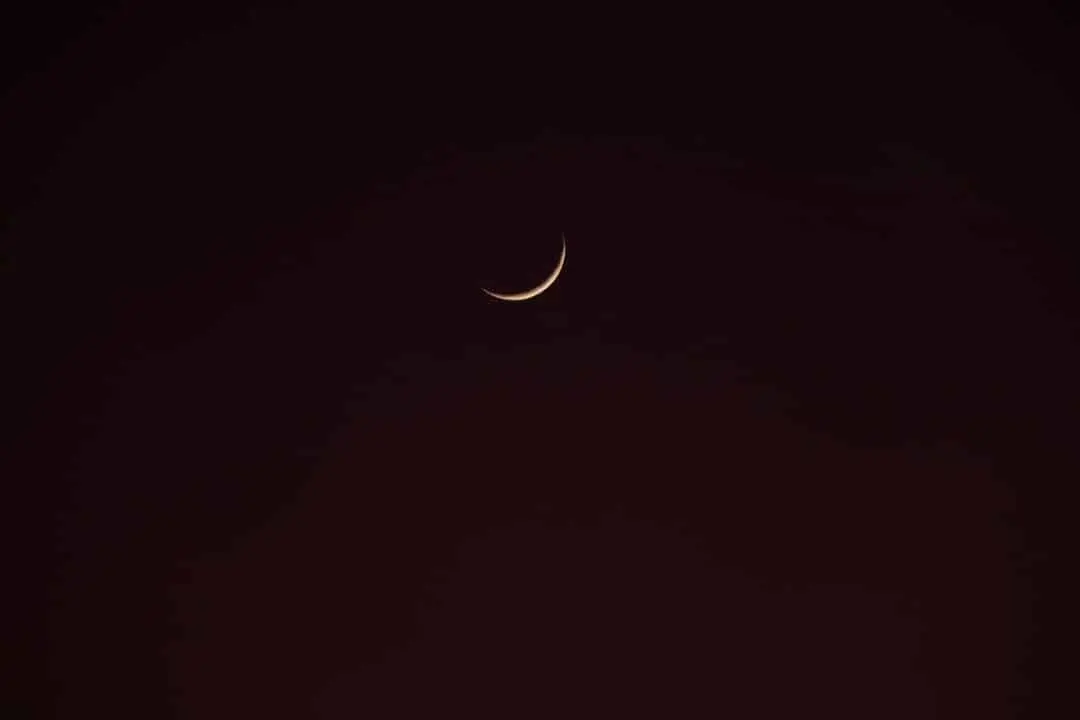
This Saturday, August 16, 2025, the Moon is in its waning phase, a striking moment in the lunar cycle that captivates observers and influences various cultures. At 02:12 AM, the Earth’s natural satellite officially entered this phase, according to August’s lunar calendar. Only eight days remain until the new moon, scheduled for August 23 at 03:06 AM. This phenomenon, visible throughout Brazil and the Southern Hemisphere, occurs due to the gravitational interaction between the Moon, the Sun, and Earth, which defines the four main phases of the lunar cycle. The waning phase, with its shape resembling the letters D and C in the Southern Hemisphere, is a transitional period in the approximately 29.5-day cycle. This text details August’s lunar calendar, the characteristics of the Moon’s phases, and curiosities that make this celestial spectacle even more fascinating.
The lunar cycle, or lunation, is a continuous process reflecting changes in the Moon’s appearance as seen from Earth. Each phase—new, crescent, full, and waning—lasts about seven days, offering different levels of visibility. The waning phase, in particular, marks the moment when the Moon begins to reduce its illumination, preparing for the new phase.
- August lunar calendar: Crescent moon on August 1, full moon on August 9, waning moon on August 16, new moon on August 23, and crescent again on August 31.
- Cycle duration: Approximately 29.5 days, with minimal variations.
- Visibility: The waning moon is less bright but still visible on clear nights.
Observing the Moon in August offers a unique opportunity for amateur astronomers and enthusiasts, especially in the Southern Hemisphere, where the satellite’s appearance differs from that in the Northern Hemisphere.
What defines the waning phase
The waning phase occurs when the Moon, in its orbit, is positioned so that sunlight illuminates less than half of its surface visible from Earth. In the Southern Hemisphere, it appears with a shape resembling the letters D or C, depending on the time of night and the observer’s position. This period is characterized by a gradual reduction in illumination, making it less bright than the full moon but still visible under favorable conditions.
The waning phase is the third stage of the lunar cycle, following the full moon, and precedes the new moon. On August 16, the transition to the waning phase occurred at 02:12 AM, according to astronomical data.
- Distinctive shape: Resembles the letters D or C in the Southern Hemisphere.
- Visibility: Lower than the full moon but ideal for telescope observation.
- Duration: Approximately seven days, until the new moon on August 23.
- Cultural influence: Associated with periods of introspection in various traditions.
This phase is particularly appreciated by photographers and astronomers, as the contrast between the illuminated part and the shadow creates stunning images.
How the lunar cycle works
The lunar cycle, or lunation, is the interval between two new moons, with an average duration of 29.5 days. It is driven by the gravitational interaction between Earth, the Moon, and the Sun, which determines how sunlight reflects off the satellite and reaches us. Each of the four phases—new, crescent, full, and waning—reflects a specific position of the Moon in its elliptical orbit around Earth.
The Moon’s average distance from Earth, about 399,877 km, varies slightly due to its elliptical orbit, which can influence its appearance and brightness. During the waning phase, the Moon is in a position where sunlight illuminates only a decreasing portion of its visible face.
- New moon: Invisible, as it is aligned with the Sun.
- Crescent moon: Illumination increases, resembling the letter C in the Southern Hemisphere.
- Full moon: Fully illuminated, opposite the Sun.
- Waning moon: Illumination decreases, preparing for the new phase.
This cycle is consistent and predictable, allowing astronomers and enthusiasts to plan observations with precision.
Differences between hemispheres
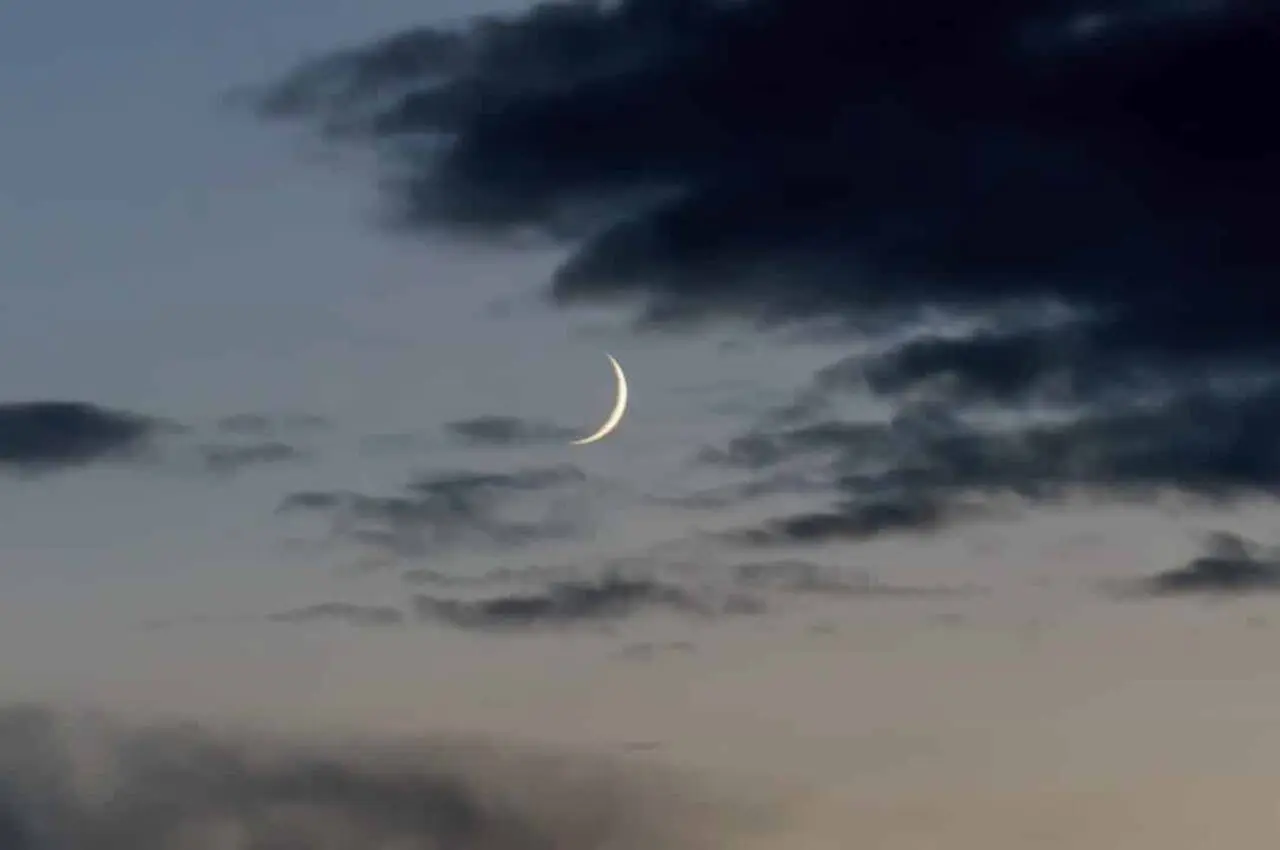
The Moon’s appearance varies significantly between the Northern and Southern Hemispheres due to the observer’s perspective on Earth. In the Southern Hemisphere, such as in Brazil, the waning and crescent moons appear inverted compared to the Northern Hemisphere. For example, the crescent moon in the South resembles the letter C, while in the North, it looks like a D.
This difference occurs because Earth’s orientation relative to the Moon and Sun changes depending on latitude. Interestingly, regardless of the hemisphere, we always see the same face of the Moon. This is because the Moon’s rotation period (about 27.3 days) matches its orbital period around Earth, a phenomenon called synchronous rotation.
- Southern Hemisphere: Crescent moon in C, waning moon in D.
- Northern Hemisphere: Crescent moon in D, waning moon in C.
- Synchronous rotation: Ensures only one face of the Moon is visible from Earth.
This peculiarity fascinates observers and is a point of interest in astronomical events.
Curiosities about the Moon in August
August 2025 brings a dynamic lunar calendar with clear transitions between phases. The waning moon, in particular, is an ideal time for detailed observations, especially for those using amateur telescopes. Additionally, the waning phase holds cultural significance in various traditions, often associated with renewal and introspection.
- Lunar photography: The waning phase is ideal for capturing crater details.
- Agricultural influence: Some cultures associate the waning moon with pruning periods.
- Optimal observation: Clear August nights favor visibility.
- Next phase: New moon on August 23, marking the start of a new cycle.
The Moon, with its beauty and regularity, continues to inspire both science and popular culture.
Why the new moon is invisible
The new moon, scheduled for August 23, is when the satellite is aligned with the Sun relative to Earth, making it nearly invisible from our planet. During this period, the Moon’s illuminated face is turned toward the Sun, and the face visible from Earth remains in shadow. This phenomenon marks the start of a new lunar cycle and is eagerly awaited by astronomers and enthusiasts tracking the lunation’s restart.
The new moon’s invisibility makes it less popular among casual observers but is crucial for astronomical studies, particularly for observing stars and galaxies, as the absence of moonlight reduces light pollution.
- Alignment: Moon, Sun, and Earth in the same direction.
- Visibility: None at night, visible only during solar eclipses.
- Scientific importance: Ideal for observing distant celestial objects.
August’s lunar cycle, with its sequence of phases, offers a unique opportunity to explore celestial dynamics and their cultural and scientific implications.