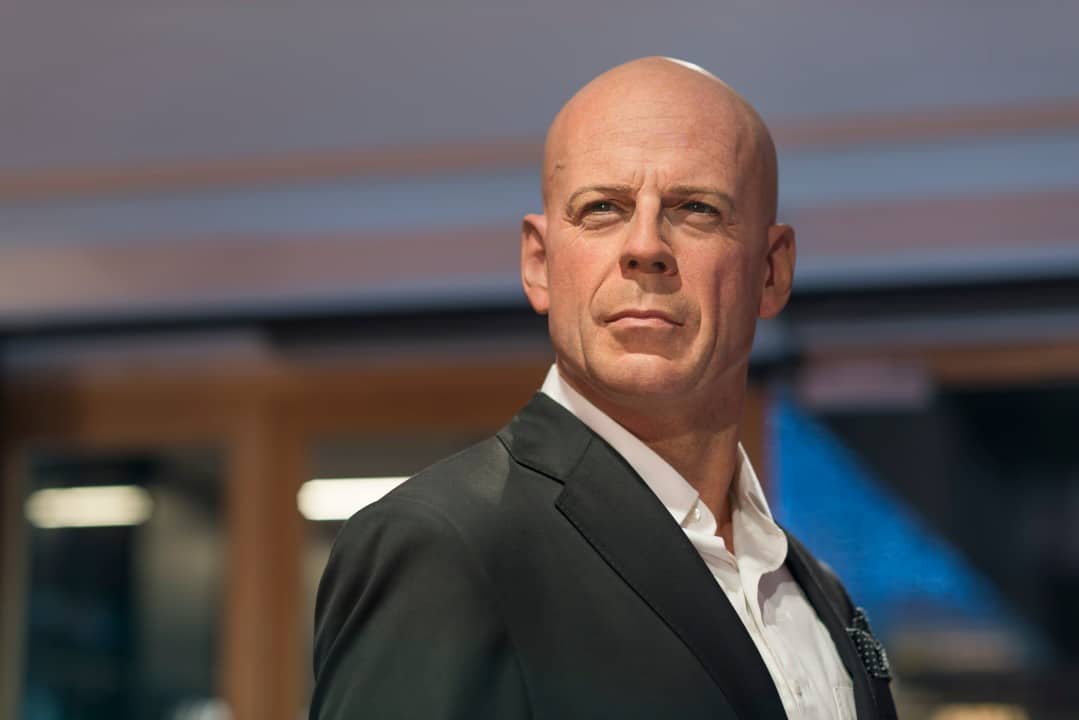
Bruce Willis, the Hollywood icon known for blockbusters like Die Hard and The Sixth Sense, has relocated from his family home to a specialized care facility in the United States due to his progressing frontotemporal dementia, initially diagnosed as aphasia. At 70, the actor now receives round-the-clock medical care to enhance his quality of life. His wife, Emma Heming, described the move as one of the toughest decisions she’s ever made, emphasizing that it was a family choice aimed at providing Willis with a safe and supportive environment. Despite the change, Emma and their daughters—Mabel, Evelyn, and Willis’ daughters with Demi Moore, Rumer, Scout, and Tallulah—visit daily, maintaining close emotional ties. The facility offers tailored care to manage Willis’ deteriorating cognitive health, as his ability to communicate continues to decline. Fans worldwide have expressed support, touched by the family’s dedication to the beloved star. The move underscores the challenges of living with an incurable neurodegenerative condition.
The decision to transfer Willis to a care facility followed extensive family discussions, prioritizing his well-being. Emma highlighted that while Willis’ physical health remains stable, his cognitive decline requires constant professional supervision. The facility provides a structured environment designed to minimize confusion and support his needs.
- Specialized therapies target cognitive and emotional stimulation.
- Daily family visits ensure Willis feels connected and loved.
- The facility is equipped with adaptive tools for dementia patients.
Adjusting to a new reality
Emma Heming revealed that the family has developed unique ways to communicate with Willis, whose language skills have been severely impacted by frontotemporal dementia. This condition affects the brain’s frontal and temporal lobes, impairing speech, behavior, and social interactions before memory loss becomes prominent. Despite these challenges, Emma noted that Willis remains physically healthy, allowing moments of connection through non-verbal cues. The care facility incorporates music therapy and light physical activities to support his well-being.
- Music therapy helps evoke emotional memories.
- Physical exercises are tailored to maintain mobility.
- Medical staff monitor disease progression closely.
- Family interactions rely on gestures and expressions.
The emotional toll of the decision was profound. Emma described the moment of accepting Willis’ condition as “diving into the void,” capturing the grief of watching a loved one’s mind fade. Yet, the family has embraced unity, ensuring Willis is surrounded by care and affection in his new environment.
Understanding frontotemporal dementia
Diagnosed in 2023, Willis’ frontotemporal dementia is a rare condition affecting individuals typically between 40 and 70 years old. Unlike Alzheimer’s, it primarily impacts behavior and language, with memory loss occurring later. Willis’ initial aphasia symptoms, which hindered his ability to speak and understand language, progressed to a broader dementia diagnosis. The condition has no cure, but supportive therapies can alleviate symptoms.
- Frontotemporal dementia affects about 10% of dementia cases.
- Life expectancy post-diagnosis ranges from 7 to 13 years.
- Therapies focus on symptom management, not reversal.
Emma and the family have chosen to share updates about Willis’ condition to raise awareness. Emma has become an advocate, working with organizations to fund research and support others facing similar challenges. Their openness aims to reduce stigma around neurodegenerative diseases and encourage families to seek specialized care.
Fan and celebrity support
News of Willis’ move sparked widespread reactions online and in the media. Fans flooded social platforms with messages of support, recalling his iconic roles in Die Hard and Armageddon. Colleagues like Sylvester Stallone and M. Night Shyamalan sent heartfelt messages, praising Willis’ legacy and resilience. Emma expressed gratitude for the outpouring of love, noting its comfort during this challenging time.
- Fans launched #StayStrongBruce to show solidarity.
- Celebrities shared fond memories from collaborations.
- Awareness campaigns gained traction post-announcement.
Willis’ career, spanning action, thriller, and drama genres, remains a cultural touchstone. His family emphasizes that despite his condition, Willis finds joy in familiar settings, including watching his own films.
Advocacy and awareness efforts
Emma Heming has channeled her energy into advocating for dementia awareness, partnering with groups like the Association for Frontotemporal Degeneration (AFTD). She shares resources online, creating a support network for families navigating similar diagnoses. The family’s transparency has inspired donations and increased attention to dementia research.
- AFTD estimates 60,000 Americans live with frontotemporal dementia.
- Over $2 million was raised for research in 2024.
- Emma plans a documentary on their family’s journey.
- Online support groups grew by 30% since Willis’ diagnosis.
The care facility where Willis resides uses advanced technology, like nighttime monitoring sensors and calming environments, to enhance patient comfort. These adaptations highlight the importance of specialized care for advanced dementia cases, a focus of Emma’s advocacy.
Bruce Willis’ enduring legacy
With a career spanning four decades and over 100 films, Bruce Willis remains a Hollywood legend. His roles in Die Hard, The Sixth Sense, and Moonlighting—which earned him a Golden Globe—cemented his versatility. Though retired from acting since 2022, his films continue to captivate audiences on streaming platforms. His family notes that Willis still enjoys watching his movies, particularly Die Hard, which often brings a smile.
- Willis’ films grossed over $5 billion globally.
- Die Hard is hailed as a defining action movie.
- His daughters aim to preserve his work in a digital archive.
- Fans continue to celebrate his contributions online.
Willis’ move to a care facility does not diminish his impact. His family and fans remain committed to honoring his legacy while advocating for better understanding and treatment of dementia.
