
Loose rice remains the basis of the daily diet in millions of homes. Especialistas in gastronomy and professional cooks have updated techniques that guarantee loose grains even in common pans. The methods combine traditional steps with 2025-tested tweaks.
The correct choice of the type of rice and the exact proportion of water lead current recommendations. The process starts even before lighting the fire and avoids common mistakes that leave food soggy.
Choosing grain and correct washing
Type 1 needle rice continues to be the most suitable for loose preparation. Long and polished Grãos absorb less water during cooking.
Washing removes excess starch responsible for sticking. Passe the rice in cold water until it runs almost transparent, stirring gently with your hands.
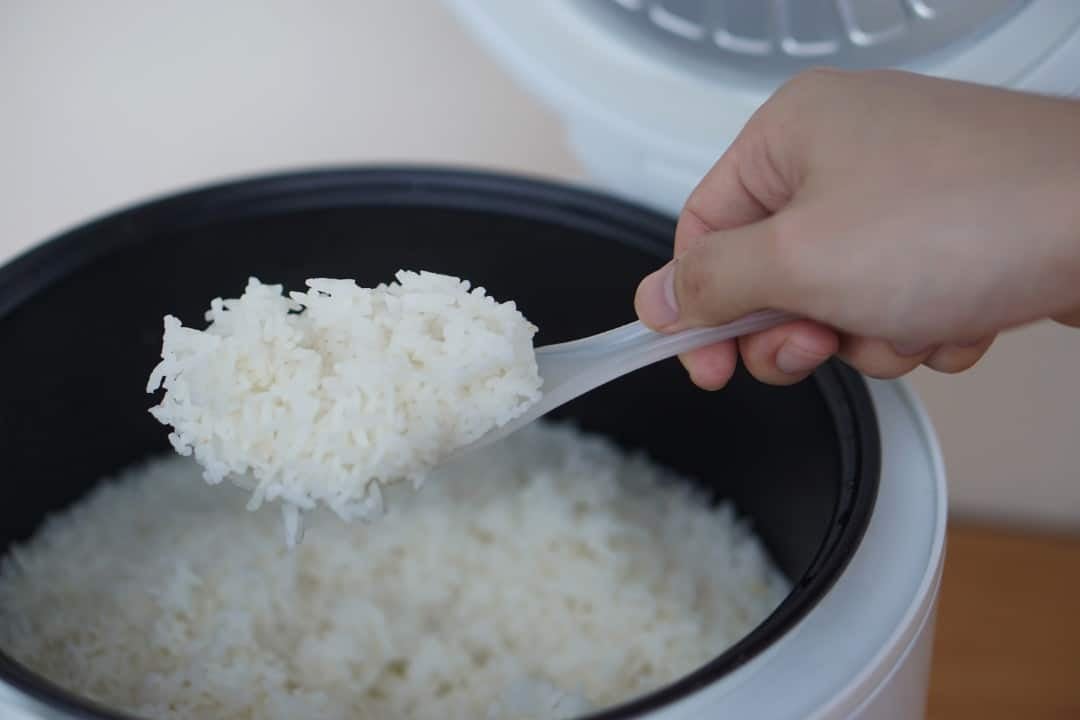
- Use a fine sieve to avoid grain loss
- Repeat the process three times maximum
- Let it drain completely before putting it on the fire.
Water proportion and temperature
The rule of two parts water to one part rice works in most cases. In thick-bottomed pans, experts suggest reducing it to 1.8 parts.
Add the cold water to the pan along with the rice. The gradual thermal shock prevents the grains from breaking and releasing more starch.
Pans with glass lids allow you to monitor the process without constantly opening them. Isso maintains a stable temperature throughout cooking.
Right time to move and final rest
Saute the rice in hot oil or olive oil for about a minute before adding water. Esse step creates a protective layer on each grain.
After boiling, lower the heat to minimum and do not stir any further. Qualquer excessive movement breaks the grains and releases starch.
When the water dries completely, turn off the heat and keep the pan covered for another 10 minutes. Esse rest equalizes the internal moisture of the grains.
Additional tricks that make a difference
Using a fork to loosen the hot rice avoids crushing the grains. Movimentos light from the bottom up keeps the structure intact.
Adding a teaspoon of vinegar or lemon juice to the cooking water helps make the grains whiter and looser. Acidity reduces the release of starch.
Electric pressure cookers with a specific function for rice deliver consistent results. The 2025 models automatically adjust time and pressure.
Updated regional variations
In the Nordeste, adding hot water directly to the pan reduces the total preparation time. The technique keeps the grains whole even over high heat.
Cooks from São Paulo adopted the method of sealing the rice with golden garlic before adding water. The extra flavor does not compromise the loose texture.
Versions with parboiled rice require only 1.5 parts water. The industrial process already removes part of the surface starch.
Mastering these techniques turns loose rice into a simple daily task. The settings presented work on different types of stoves and pans available on the current Brazilian market.
