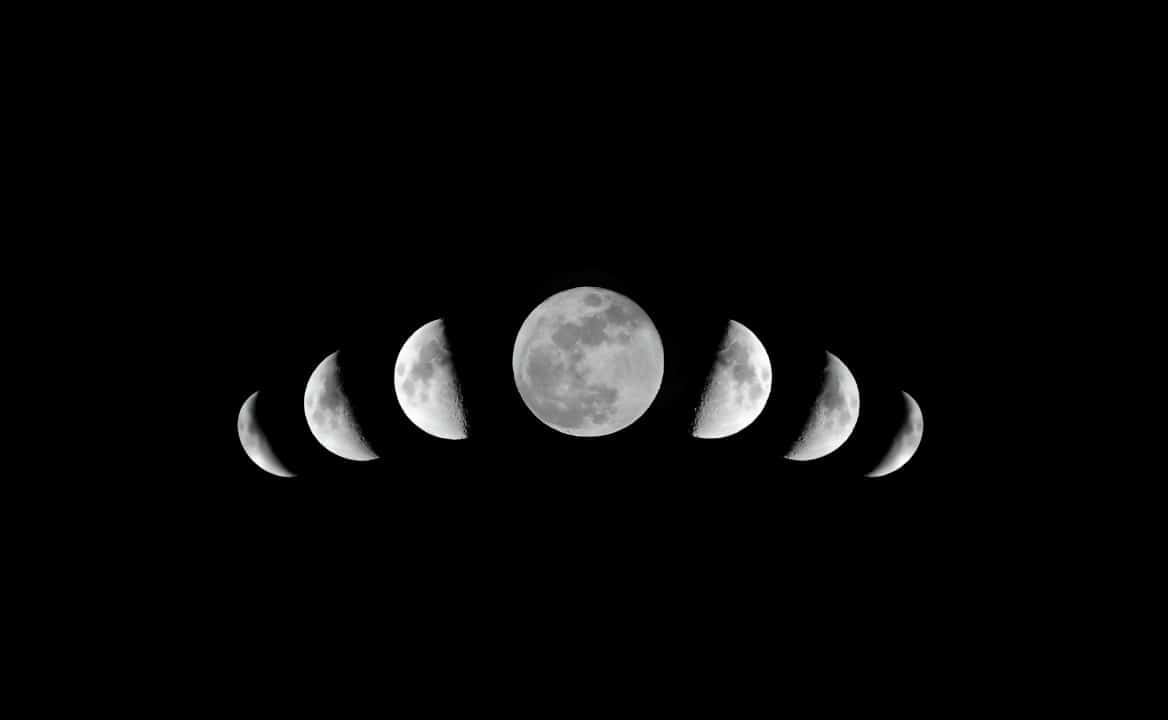
A rare astronomical event is scheduled for the end of 2025, arousing the interest of astronomers and enthusiasts. The event will offer an observation window that will not be repeated for nearly two decades, marking a significant date on the celestial calendar.
The visibility of the phenomenon will cover several regions of the globe, with favorable conditions for observers located in Hemisfério Sul. The combination of orbital factors makes this alignment specific, differentiating it from other annual lunar events and giving it a distinct character.
The next time a celestial configuration with similar characteristics will occur will only be in 2042, which increases the relevance of the 2025 event for the scientific community and the general public interested in astronomy. Planning to record and study the event is already underway.
What makes the event special
The uniqueness of the event lies in the combination of the last full moon of the year with other celestial factors that rarely coincide. Conhecida popularly called seasonal in different cultures, this lunar phase will precisely align with other celestial bodies, creating a particular visual configuration. Especialistas explain that although full moons are monthly, the specific geometry of this event, involving planetary positions and the orbital inclination of Terra, is what makes it unusual. Essa orbital precision is calculated years in advance and will only repeat itself under nearly identical conditions in 2042, making the observation an opportunity to record valuable comparative data on celestial mechanics and possible small orbital variations over time.
Detalhes of the visibility of the phenomenon
Observation can be carried out with the naked eye in most parts of the country, as long as the weather conditions are favorable, with clear skies and no clouds. Contudo, the experience can be enhanced with the use of simple equipment, such as binoculars or small telescopes, which will allow you to view more details of the lunar surface and nearby celestial bodies involved in the alignment.
Para To ensure quality viewing, it is recommended that viewers move away from large urban centers. Light pollution emitted by cities directly interferes with the ability to see stars and other less bright phenomena in the night sky, obscuring important details of the event and reducing the overall contrast of the celestial spectacle.
Como and when to observe
The peak of the phenomenon is expected to occur on a specific date in December 2025.
Observadores must plan to follow the event at night, when the natural satellite will be in a high position in the sky.
Consulting updated astronomical calendars is recommended to obtain the exact time of the alignment’s peak in each location.
The name
