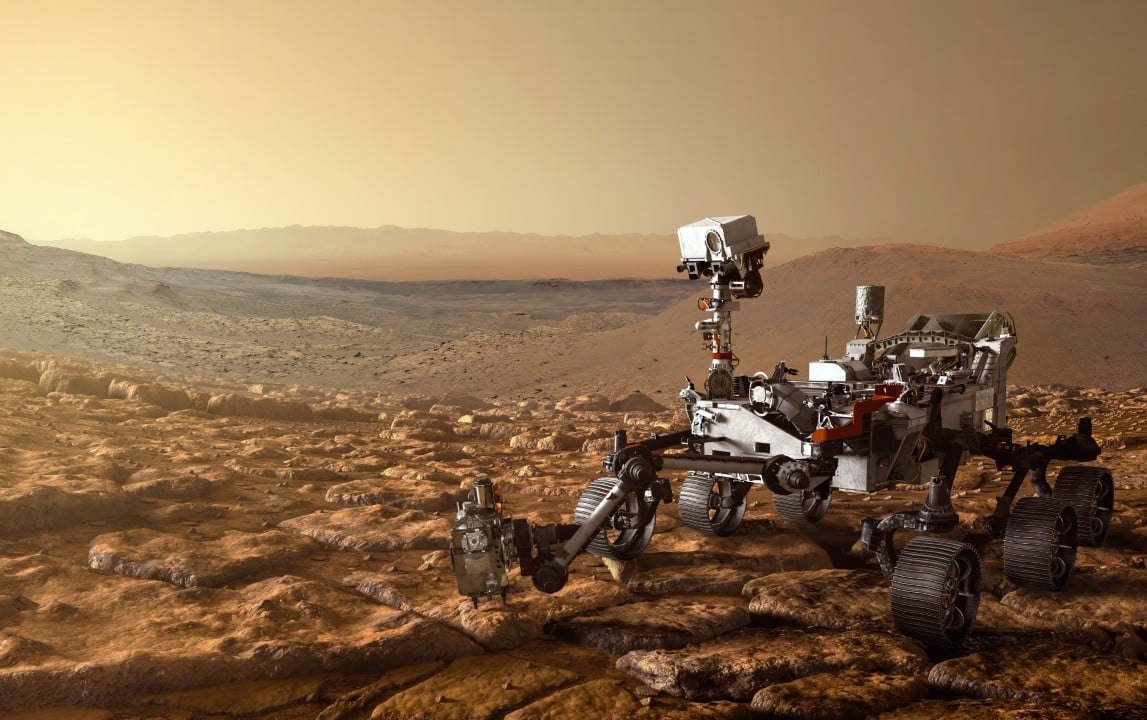
The Perseverance rover, Nasa, recorded sounds that scientists associate with electrical discharges in the atmosphere of Marte. The data was collected by the vehicle’s SuperCam microphone since its arrival on the planet in February 2021. A study published this Tuesday (2) in the magazine Nature analyzed 28 hours of recordings and identified 55 occurrences compatible with mini-lightning.
Emissions occurred mainly during dust storms and eddies inside the Jezero crater. Alguns signals appeared just two meters from the microphone, while others lasted up to 30 minutes. The research reinforces the hypothesis of atmospheric electrical activity on the red planet.
Characteristics of the captured signals
The sounds have variable duration. Most lasted a few seconds, but longer episodes reached half an hour.
The proximity of the events caught the attention of researchers. Diversas occurrences occurred between two and ten meters from the rover.
- 55 events registered in total
- 28 hours of audio analyzed
- Occurrences concentrated on days of strong dust movement
- Greater intensity during wind storms

Differences in relation to Terra
The Martian atmosphere has only 1% of Earth’s density and is mostly composed of carbon dioxide. Essa composition quickly absorbs sound waves from discharges.
The lightning in Marte is almost optically invisible. Eles occur within clouds of electrically charged dust.
Sound propagation faces greater resistance. The waves dissipate in fractions of a second in the rarefied environment.
The weakest events probably came from whirlpools. Já the most intense signals coincided with larger storms.
Limitations of current observation
All data comes from a single instrument. The SuperCam microphone is the first capable of recording sounds on the Martian surface.
There is no simultaneous visual confirmation. Câmeras of the rover did not detect flashes corresponding to the beeps.
Other previous rovers did not have microphones. Missões pasts relied only on electric and magnetic field sensors.
The researchers highlight the consistency of the patterns found. Ainda thus reinforce the need for new independent measurements.
Next steps of the research
Future missions may include specific instruments for electrical activity. Projetos already foresees more sensitive sensors in new rovers.
Definitive confirmation depends on multiple sources. Registros simultaneous sound, light and electric field would be necessary.
The Perseverance continues to operate in the Jezero crater. The rover continues to collect atmospheric and geological data daily.
Importance to planetary science
The detection reinforces models about the current Martian atmosphere. The presence of discharges indicates triboelectric charging processes in the dust.
The results expand knowledge about past habitability. Electrical Atividade may have influenced prebiotic chemistry on the planet.
The research demonstrates the value of microphones in space missions. Simple Equipamentos generates unprecedented data about distant environments.
The study opens a new line of investigation in Marte. Cientistas plan to analyze existing recordings from a new perspective.
