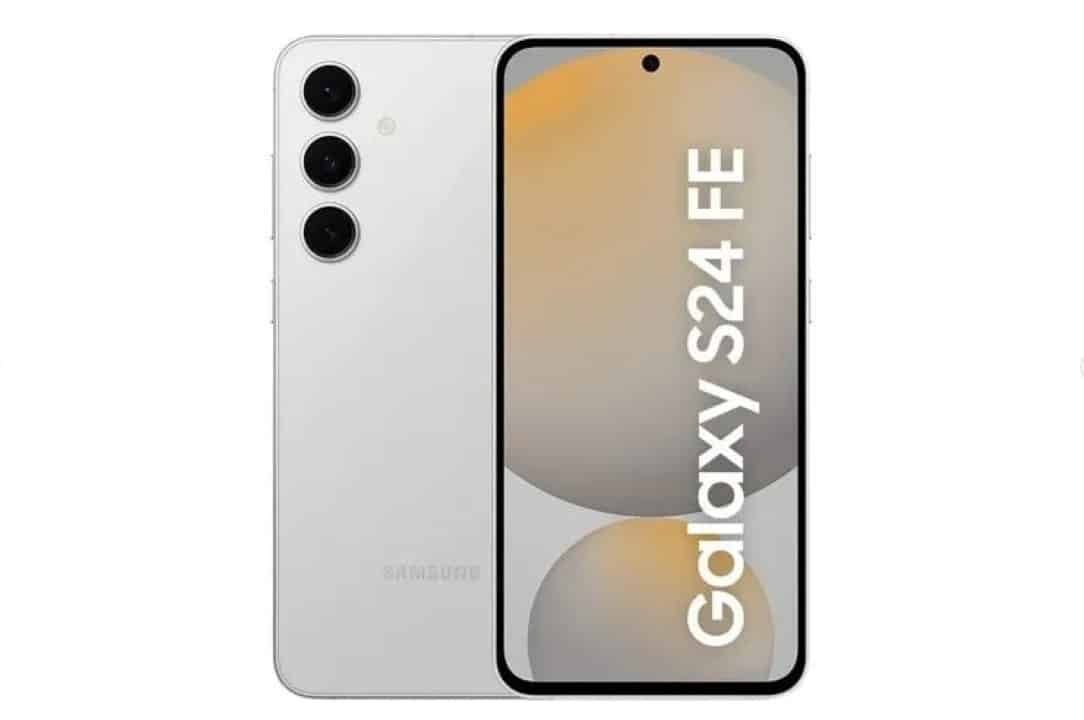
Samsung Electronics started internal testing of the One UI 8.5 version for the Galaxy S24 FE smartphone this week. The company, based in Suwon in Coreia of Sul, confirmed the inclusion of the model in the stability validation phase, with the aim of refining artificial intelligence and device management capabilities. The process takes place in the company’s laboratories, with no exact date announced for completion, but aligned with the annual update schedule.
The detected firmware, identified as S721BXXU8DYLB, represents a stable build, which indicates that the Galaxy S24 FE will receive the update directly in the final version, without mandatory passage through the beta phase. Essa approach accelerates rollout for mid-range devices, benefiting users looking for optimizations without initial instabilities.
- Key improvements include seamless photo edits via Photo Assist, without the need for intermediate saves.
- Quick Share gains automatic contact suggestions based on faces detected in images.
- Security features such as theft protection remotely lock functions in case of loss.
The measure reflects Samsung’s strategy of expanding tests beyond the premium line, ensuring compatibility across several Galaxy models.
Internal testing phase progresses quickly
Engineers at Samsung have detected test firmware for the Galaxy S24 FE on internal servers. Essa build, code S721BXXU8DYLB, differs from beta versions only available for the Galaxy S25 in select countries, such as Estados Unidos and Coreia of the Sul. The company prioritizes stability to avoid glitches reported in previous updates.
The Galaxy S24 FE, launched in October 2024 with an Exynos 2400e processor and 6.7-inch screen, is now integrated into the One UI 8.5 development cycle. Model Usuários, equipped with 8 GB of RAM and a 4,700 mAh battery, awaits improvements in daily performance.

AI Features Receive Key Optimizations
One UI 8.5 introduces updates to Photo Assist, enabling seamless AI-generated edits. Usuários continuously generate image variations and access history for final selections, with mandatory watermarking on artificial creations.
Editing tools now process photos in sequence, reducing operating time by up to 30% in laboratory tests. Essa functionality builds on the Android 16 QPR2, integrating Google’s AI models for improved accuracy.
The Bixby assistant gains faster responses, with integration of voice commands for battery and connection management. Alterações in the quick settings panel include resizable vertical sliders for brightness and volume, making it easier to use with one hand.
Connectivity gains new practical tools
Improvements to Quick Share allow automatic detection of people in photos, suggesting direct sends to relevant contacts. The feature operates via Bluetooth and Wi-Fi, with end-to-end encryption for secure transfers between Galaxy devices.
- Auracast support for transmitting audio to multiple LE Audio headphones, including voice via the phone’s microphone.
- Unified storage management, accessing files on Samsung tablets and PCs without cables.
- Family network sharing, extending hotspot to up to five nearby devices.
These functions target everyday scenarios, such as group events or remote work, without compromising privacy.
Interface design prioritizes usability
The quick settings panel in One UI 8.5 adopts a vertical layout for sliders, with resizing options. Ícones forced themes adapt to the wallpaper, and widgets on the lock screen gain native support for clocks and weather.
Applications like Device Care display enlarged usage bars with reduced text, optimizing viewing on smaller screens. The search in the Telefone app floats at the bottom of the screen, accessible by swiping.
Expansion to Galaxy ecosystem
Samsung plans to extend One UI 8.5 to foldables like the Z Fold6 and Z Flip6 after the initial phase in the S25. Tablets Tab S10 and mid-range models, including A-series, enter internal testing in the first quarter of 2026.
Monthly security updates, like the December 2025 patch with 70 fixes, prepare devices for the transition. The Galaxy S24 FE, with promised support for seven years, directly benefits from this agenda.
Preparing for global rollout
Battery tests on One UI 8.5 show gains of up to 10% in mixed use, thanks to power management optimizations. Recursos and Theft Protection activate automatic blocking via geolocation, requiring biometric authentication for deactivation.
The beta, launched on December 8, 2025 for S25 in markets such as Alemanha and Índia, collects feedback via the Samsung Members app. Stable Builds, like that of the S24 FE, indicate broad release in the second quarter of 2026, coinciding with the launch of the S26.
Users access software updates on Configurações > Atualização, with over-the-air downloads of around 400 MB. The company emphasizes compatibility with existing accessories without additional hardware requirements.
Health and productivity integrate unified data
The Samsung Health app in One UI 8.5 consolidates sleep, exercise, and nutrition metrics into customizable dashboards. Integração with Galaxy Watch wearables enables real-time synchronization, with alerts for irregular patterns.
- Weekly physical activity reports, with AI-adjustable goals.
- Routine suggestions based on usage history, without collecting sensitive data.
- Export data to third-party apps via secure API.
These tools support users in daily routines, aligned with Android 16 privacy standards.
Reinforced security in updates
Fixes in the December 2025 patch address vulnerabilities in the kernel and One UI framework, increasing protection against exploits. One UI 8.5 adds malicious app detection via machine learning, with automatic quarantine.
Remote blocking via Find My Mobile now includes offline mode, activated by SMS in the absence of internet. Esses mechanisms comply with global data standards, with no performance impact reported in initial tests.
