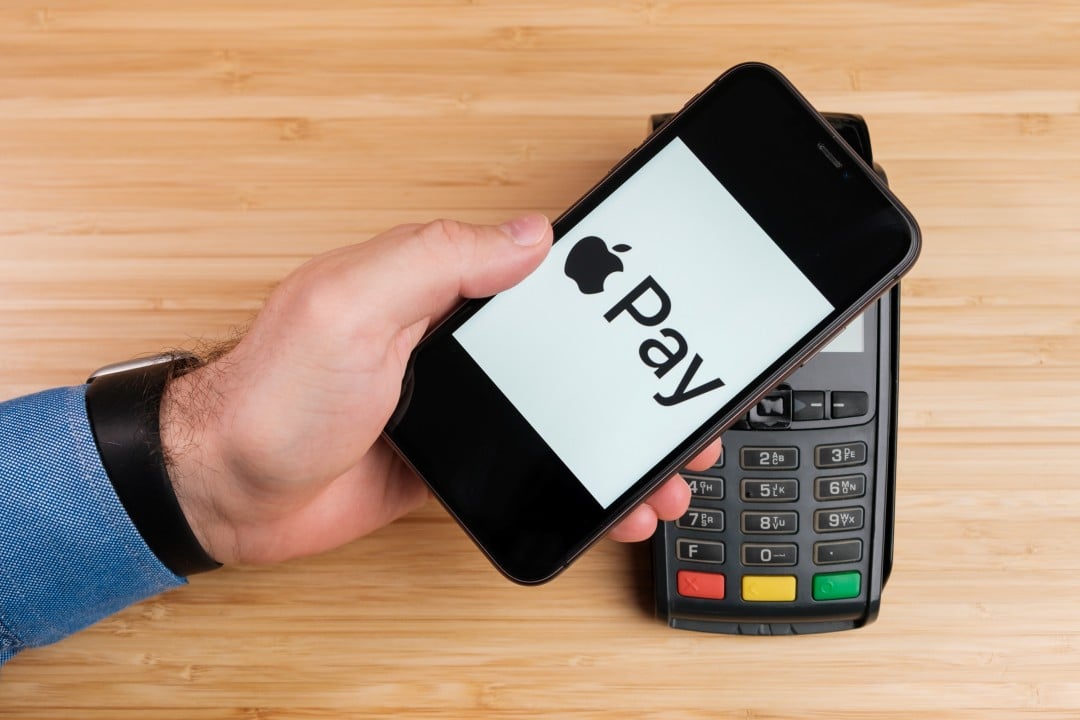
Comissão of Concorrência of Suíça has initiated a preliminary investigation into Apple’s practices related to the NFC chip in iPhones.
The focus is on the commercial conditions imposed by the company for third-party developers to access this technology.
Authorities are seeking to verify whether these terms create obstacles to competition with Apple Pay in contactless payments.
The process began on December 10, 2025 and involves collecting information from market participants.
Commercial conditions under analysis
Apple will allow access to NFC and Secure Element for Swiss apps at the end of 2024.
This access requires a commercial agreement and payment of associated fees.
The rules applied in Suíça differ from those in force in Espaço Econômico Europeu.
Regulators assess whether these differences violate local antitrust laws.
Previous dialogues with the company
Discussions between the commission secretariat and Apple have been taking place since the beginning of 2024.
The initial objective was to guarantee access similar to that granted in União Europeia.
The opening came after regulatory pressure in other markets.
Now, the body is examining whether rival providers compete effectively in physical stores.

Parallel with investigation into Brasil
Conselho Administrativo of Defesa Econômica maintains an open investigation against Apple.
The Brazilian investigation verifies possible anti-competitive conduct in the use of NFC.
Entities such as Banco Central and Febraban contributed to statements about restrictions.
Fintechs report difficulties implementing solutions such as Pix by approximation on iOS.
NFC technology and its uses
The NFC chip enables contactless payments on iOS devices.
It also supports functions such as digital keys and electronic tickets.
The NFC & SE Platform API allows third-party apps to replicate Apple Wallet features.
- Contactless payments at retail terminals.
- Secure storage of cards and documents.
- Integration with transport and access systems.
Global context of scrutiny
Apple faced similar pressures at União Europeia before opening the NFC.
Commitments made in 2024 allowed free access to third parties in the European bloc.
Other countries monitor company practices in closed ecosystems.
Investigations aim to balance innovation and competition in the mobile payments sector.
Stages of the Swiss investigation
The secretariat collects data from local banks and fintechs.
Conversations with Apple continue during the preliminary process.
If violations are identified, formal investigation may proceed.
There is no set deadline for completing the current phase.
Implications for the payments market
NFC restrictions affect development of alternative digital wallets.
Providers seek a level playing field to compete with Apple Pay.
Technology is essential for quick transactions at points of sale.
Regulatory decisions can influence Apple policies in multiple countries.
Recent system opening
Apple announced global access to NFC for third parties in August 2024.
Implementation occurred via iOS updates.
Developers need to request specific entitlement.
Requirements include compliance with company security standards.
