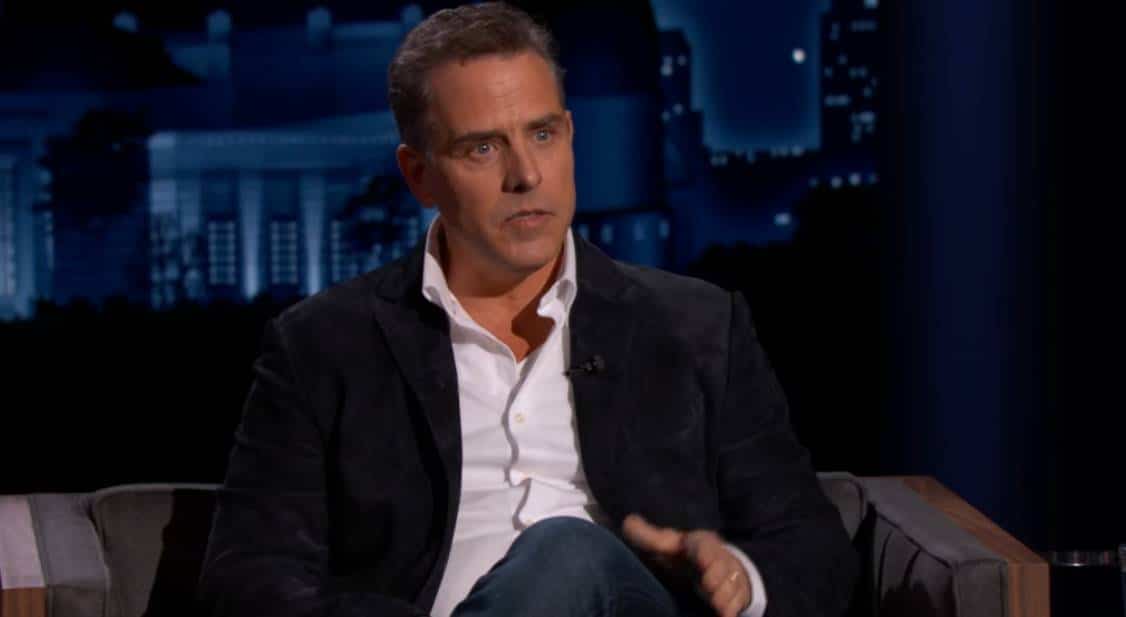
A judge from Connecticut struck down Hunter Biden this Monday, December 15, 2025, for violating rules of professional conduct for lawyers. The decision took place in a virtual hearing in Waterbury, where the son of former president Joe Biden consented to the measure, admitting part of the allegations of misconduct, but without recognizing crimes. The complaints came from private individuals and are linked to federal convictions for illegal gun possession and tax evasion, despite the presidential pardon granted the previous year.
Hunter Biden, age 55, was admitted to the bar of Connecticut in 1997, one year after graduating from Yale Law School. Ele had previously lost his license in
The gun conviction occurred in federal court in Delaware, relating to the purchase of an Colt Cobra pistol in 2018, when he denied drug use on an official form. In the tax case in Califórnia, he pleaded guilty to failing to pay at least $1.4 million in taxes, avoiding a full trial.
Virtual hearing and consent
Hunter Biden appeared via video at the hearing led by Judge Patrick L. Carroll III, accompanied by attorney Ross Garber. Ele made no statements during the procedure. The agreement with the state disciplinary office allowed the exbarrement without admission of criminal guilt.
One of the complainants, Paul Dorsey, objected to the settlement because he believed that Hunter Biden should admit to crimes. However, the representative of the disciplinary office, Leanne Larson, highlighted the impact of the presidential pardon on the configuration of the provision.
Detailed federal convictions
The federal convictions involved three felons in Delaware for lying about drug addiction when purchasing a gun in 2018. Ele possessed the gun for 11 days. The case gained attention because it was the first criminal conviction of the son of a sitting president at the time.
In the tax case on Califórnia, scheduled for September 2024, Hunter Biden changed the plea to guilty hours before jury selection. The charges included failure to pay taxes on significant income.
- Three crimes for illegal possession of a weapon
- Denial of drug use on federal form
- Plead guilty to nine tax charges
- Avoiding paying 1.4 million dollars in taxes
Professional trajectory as a lawyer
Hunter Biden completed law school at Yale in 1996 and entered the bar at Connecticut the following year. Ele has maintained his license for decades, although he has not actively practiced law in recent years. The loss in Connecticut follows that of Washington, D.C., consolidating the end of his legal career in key jurisdictions.
His training at Yale initially placed him in law firms. Posteriormente, became involved in international business, which coincided with a period of struggle against chemical dependency.
Period covered by presidential pardon
The pardon granted by Joe Biden covered federal offenses from January 2014 to December 2024. Ele vacated gun and tax convictions. Apesar Furthermore, professional consequences such as dismissal persisted in state disciplinary processes.
The pardon was broad and included any potential wrongdoing in between. Juízes closed criminal cases without completely overturning recorded convictions.
Violated ethical rules
The judge concluded that Hunter Biden violated multiple rules of conduct for lawyers. Entre them, engaging in actions with dishonesty or misrepresentation stands out. Ele admitted part of the allegations in a court document.
The decision explicitly cited the previous debarrement in Washington, D.C., as an aggravating factor. State rules require integrity in personal and professional conduct.
Complaints and disciplinary process
Two private complaints were filed following the federal convictions. Elas triggered an investigation by the attorney discipline office. The process included reciprocity with the action taken in Washington, D.C.
Hunter Biden consented to the disbarrement to avoid prolonged litigation. The virtual hearing facilitated remote participation.
Training and admission to the order
Graduated from Yale Law School in 1996, Hunter Biden was admitted to Connecticut in April 1997. The license remained active until the current process.
His academic career included time at a prestigious institution. However, personal issues interfered with ongoing professional practice.
Context of gun convictions
The case of Delaware involved the purchase of a revolver in October 2018. Evidências showed crack use at the time. The trial lasted one week in June 2024.
Prosecutors proved intentional lying on the form. The possession lasted a few days, but it constituted a federal crime.
Tax case details on Califórnia
Accusations pointed to failure to pay taxes on business income. The unpaid amount exceeded 1.4 million dollars. The guilty plea took place in September 2024.
The deal avoided witnesses and additional exposure. The cartoons included misdemeanors and felonies.
Audience at Waterbury
The session took place in the courtroom of Waterbury, Connecticut. Participantes connected virtually. The judge approved the proposed settlement.
Ross Garber represented Hunter Biden. Nenhuma speech was recorded from the defendant.
Objections to the agreement
Paul Dorsey questioned the lack of criminal admission. Ele represented one of the original complaints. Larson countered with reference to forgiveness.
The objection did not change the final decision. The judge proceeded with approval.
Impact of the debarrement in D.C.
The loss of the license in Washington occurred in May 2025. Ela served as the basis for reciprocity in Connecticut. Hunter Biden volunteered to deliver there.
The professional responsibility board accepted the resignation. Evitou extensive procedures.
