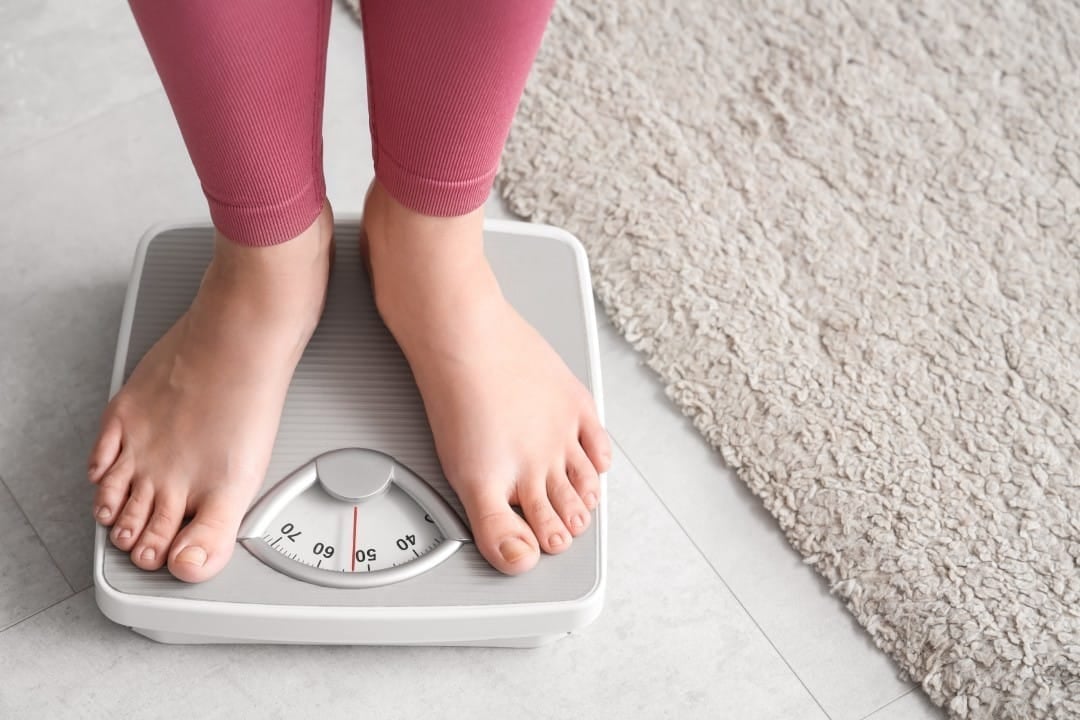
The weight loss process is directly linked to the daily energy balance, where calorie consumption must be lower than the body’s total expenditure. Compreender individual energy needs is fundamental to establishing an effective and sustainable plan. Digital Ferramentas and calculations based on personal data offer a clear path for this journey.
A consistent calorie deficit of 500 calories per day, maintained over seven days, results in a reduction of 3,500 calories, which is enough to promote the loss of approximately 0.5 kg of fat. Essa weekly goal, when achieved regularly, can lead to a reduction of around 2 kg per month, combined with healthy habits.

Personalization is the key to weight loss success. Cada individual has a unique metabolism, influenced by several factors that require an adjusted approach so that dietary control and physical exercise translate into lasting results.
Understand energy balance for weight loss
The human body burns calories constantly, even at rest, to support vital functions such as breathing and circulation. Essa basic burning, Taxa Metabólica Basal (BMR), represents the majority of daily energy expenditure.
In addition to BMR, the body spends energy on digesting food (thermogenic effect) and on all physical activities. Para weight loss, the total calories ingested must be less than the sum of these three expenditure components.
Essential factors in determining metabolic rate
Several biological and behavioral factors play a crucial role in determining an individual’s metabolic rate and, consequently, their daily caloric need. Age is one of them, as metabolism tends to naturally slow down over the years, requiring a reassessment of caloric intake to avoid weight gain. Gender also influences, as men generally have a higher BMR due to the greater proportion of muscle mass. Weight and height are direct variables, with heavier or taller people requiring more basal energy. Finally, the level of physical activity is a powerful modulator, multiplying BMR to different degrees: a sedentary individual can have their BMR multiplied by 1.2, while a high-performance athlete can reach a multiplier of up to 1.9, reflecting the increase in caloric expenditure due to exercise.
Basal metabolic rate calculation methods
The Taxa Metabólica Basal (TMB) can be estimated using several scientific formulas, with the Harris-Benedict being one of the best known. Para women, the formula is 655 + (9.6 x weight in kg) + (1.8 x height in cm) – (4.7 x age in years). Já for men, 66 + (13.7 x weight in kg) + (5 x height in cm) – (6.8 x age in years) are used.
These calculations provide a solid basis for understanding calorie expenditure at rest. Using BMR, it is possible to adjust caloric intake for weight loss, considering the level of physical activity. For example, a 30-year-old woman, weighing 60 kg and 1.65 m tall, who is sedentary, would have a BMR of approximately 1,350 calories, which could rise to 1,620 with light walking.
[[_0]
The Mifflin-St Jeor formula, more recent and considered more accurate, is also an excellent option. Para men, the equation is (10 x weight in kg) + (6.25 x height in cm) – (5 x age in years) + 5. Estes methods, validated by studies, help avoid underestimating individual metabolism, which is crucial for successful weight loss plans.
Strategies for achieving weekly calorie deficit
Achieving a deficit of 3,500 calories per week requires a strategic approach to avoid fatigue. Reduzir daily intake of 500 calories, whether through smaller portions or intelligent food replacement, is an effective method. Trocar fried foods in salads or eating fruits instead of sweets are practical examples.
The inclusion of physical activities complements the dietary strategy. Correr for one hour, for example, can burn approximately 600 calories for a 70 kg person, contributing significantly to the deficit. The combination of diet and exercise is more efficient and healthier than extreme restriction.
Very aggressive calorie deficits, exceeding 1,000 calories per day, can slow metabolism by up to 15%. Para a loss of 0.5 kg per week, the ideal is to aim for a total consumption of 1,500 to 2,000 calories, adjusting according to the individual profile and monitoring with food diaries. Mulheres over 40 years old should pay special attention to protein intake to preserve muscle mass during the process.
The role of physical activity in energy expenditure
Regular physical exercise is an essential pillar for weight loss, not only because of the burning of calories during activity, but also because of the impact on post-workout metabolism. Atividades aerobics increase energy consumption for up to 48 hours after the session. A brisk 30-minute walk, for example, can add around 200 calories to your daily expenditure.
Strength training, such as weight training, plays a fundamental role in building lean mass. Músculos are more metabolically active, which means that a greater proportion of muscle mass increases Taxa Metabólica Basal (BMR) by 5% to 10% over months, even at rest. Combining 150 minutes a week of moderate aerobic activity with two strength sessions is the standard recommendation.
Swimming and cycling are excellent options for beginners, burning an average of 400 calories per session. Integrar These routine activities are crucial to maintaining a sustainable calorie deficit and avoiding the “plateau”, where the body adapts and reduces burning by up to 200 calories, requiring variation in intensity.
Including functional exercises can also optimize calorie burning and improve general mobility, complementing other modalities and preventing stagnation in results.
Tools and habits for calorie control
Using food recording apps allows you to track your calorie intake accurately and efficiently. Essas digital tools offer extensive food databases and can help identify consumption patterns. Registrar each meal and snack is a habit that increases awareness of daily intake.
Prioritizing whole foods is a smart strategy, as they are rich in fiber and nutrients, providing greater satiety with fewer calories. Aveia, leafy vegetables and legumes are examples that contribute to appetite control and calorie reduction.
Practical tips for efficient food management
Drinking water before meals is a simple but effective tactic that can reduce caloric intake by up to 13%, according to studies. Evitar sugary and high-calorie drinks, opting for water, teas or sugar-free infusions, also contributes significantly to the deficit. Planejar healthy snacks, such as controlled portions of nuts (30g, around 150 calories), can prevent impulsive choices. Consultation with nutritionists is essential for a personalized and safe plan, offering specific guidance that goes beyond online calculators. Adopting these habits guarantees long-term adherence, with results such as losing 4 to 8 kg in three months.
