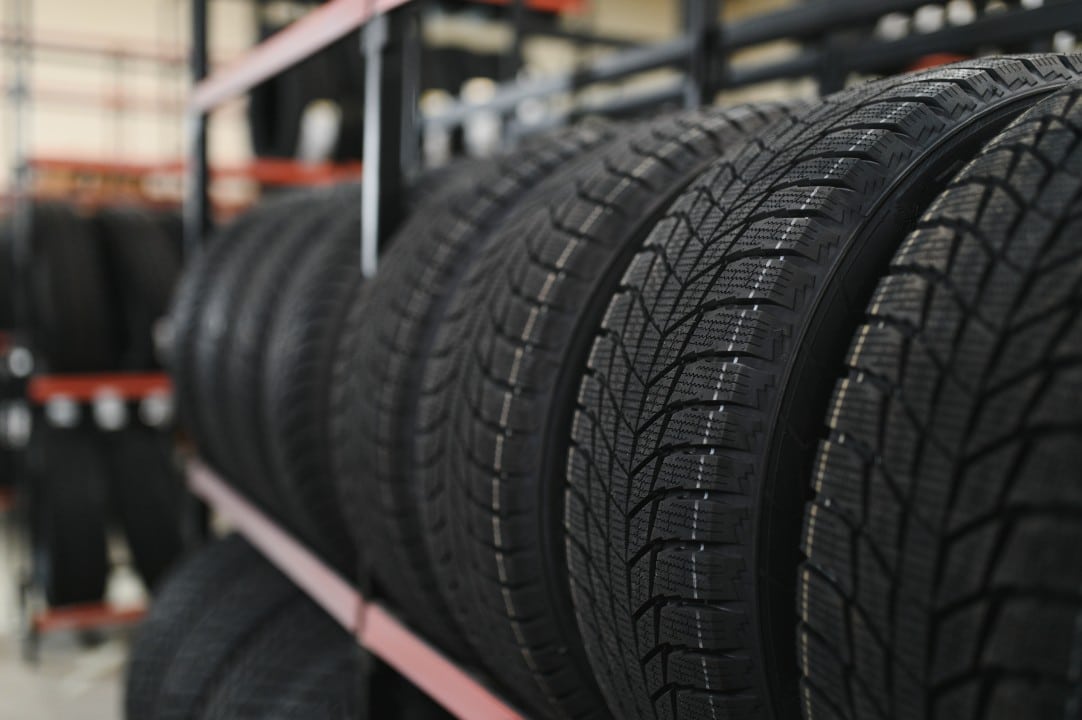
Traffic safety directly depends on the good condition of the tires, which act as the only point of contact between the vehicle and the ground. Manter these components in ideal conditions are crucial not only for the car’s drivability and performance, but also for avoiding the risk of accidents and traffic violations. Desgastes irregularities, bubbles on the side or grooves below the legal limit can seriously compromise braking capacity and stability, especially on wet roads, significantly increasing the likelihood of aquaplaning and other dangerous occurrences. Além In addition, Brazilian legislation is clear: driving with tires in poor condition can result in fines and vehicle retention.
To ensure the longevity of tires and the integrity of occupants, preventive maintenance practices are essential. Periodic rotation, regular calibration and steering alignment are simple procedures, but have a major impact on tire life and fuel efficiency. Negligenciar these basic precautions can lead to premature wear, loss of grip at critical moments and unexpected punctures, generating additional costs and putting everyone’s safety at risk.
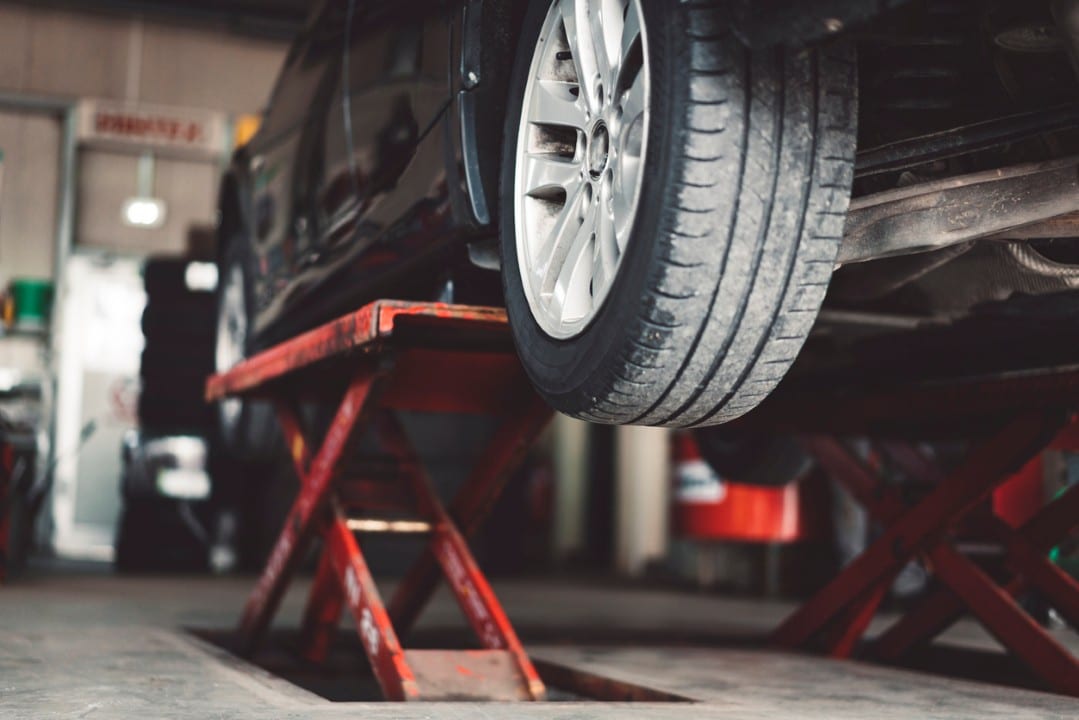
Correct tire maintenance represents an investment in the safety and economy of the vehicle. Entender signs of wear, knowing when and how to rotate and maintaining adequate pressure are fundamental knowledge for any driver. Este guide details the best practices so that your car’s tires remain in excellent condition, ensuring safer and more efficient driving on a daily basis.
Tire rotation: what you need to know
Tire rotation consists of the programmed change of the position of each tire on the vehicle, aiming to distribute wear more evenly between them. Esta simple practice is essential to extend the useful life of the set and maintain the car’s balanced performance. The ideal frequency for rotation is generally every 8,000 to 10,000 kilometers driven, but it is always recommended to consult your vehicle’s owner’s manual, as some manufacturers may indicate different intervals or specific methods for the model.
Carrying out the rotation without properly aligning and balancing the wheels can nullify the expected benefits. Alignment adjusts the angles of the wheels so that they are parallel to each other and perpendicular to the ground, while balancing corrects imbalances that cause vibrations. Ambos the procedures are crucial to ensure that the tires wear evenly after rotation and for the vehicle to maintain stability and driving comfort.
Traction types and caster methods
The way the rotation is carried out varies significantly according to the vehicle’s type of traction. Para front-wheel drive cars, where the front tires experience the most wear due to driving force and steering, the most common method involves moving the rear tires forward in a criss-cross pattern, while the front tires go backwards without crossing. Essa technique helps compensate for natural wear and tear and optimize durability.
On rear-wheel drive vehicles, the process is reversed: the front tires are moved to the rear axle in a criss-cross pattern, while the rear tires move forward in the same position. Esta approach reflects the force and wear distribution characteristic of these vehicles. It is important to follow the recommended standard to ensure the effectiveness of the rotation and avoid drivability problems.
For cars with four-wheel drive (4×4 or AWD), the general recommendation is to rotate them in an “X” format, where all tires are changed position, crossing them diagonally. Este method ensures that all four tires receive more homogeneous wear, essential for the performance and safety of vehicles that distribute driving force between the axles in a more complex way. Grip and stability benefit from this practice.
Calibration: ideal pressure for safety and economy
Maintaining the correct tire pressure is one of the simplest and most effective measures to ensure safety and fuel economy. The inflation must be checked regularly, ideally every 15 days or before long journeys, and always with cold tires. Pneus cold ones are those that have driven a maximum of 3 kilometers, as heating increases the internal pressure and can lead to an inaccurate reading on the gauge. The recommended pressure for your vehicle can be found in the owner’s manual, on a label on the driver’s door, or on the gas cap.
Tires with less than ideal pressure can overheat, deform and increase fuel consumption by up to 5%, in addition to compromising grip and stability. On the other hand, excess pressure reduces the tire’s contact area with the ground, which reduces braking capacity and accelerates the wear of the tread in the center. Ambos extremes are harmful and can lead to irregular wear and the need for premature replacement, generating unnecessary costs for the vehicle owner.
Clear signs to change tires
Replacing tires is an inevitable step in the life of any vehicle and must be carried out when clear signs of wear or damage appear that compromise safety. The most important indicator is TWI (Tread Wear Indicator), a small rise in the tread grooves. Quando the tread depth reaches the TWI level, it means that the minimum legal depth of 1.6 millimeters has been reached and the tire must be changed immediately. Shallow Sulcos drastically increase the risk of aquaplaning on wet roads and reduce braking effectiveness. Além from TWI, other warning signs include bubbles on the side of the tire, which indicate internal damage to the structure caused by impacts; fissures or cracks in the rubber, which reveal dryness or aging; and uneven wear, which may be indicative of alignment, balancing or suspension problems. The manufacturing date is also a factor, as, even with little use, tires that are more than five to six years old tend to have dry rubber, losing their safety and grip properties.
Consequences of tires in poor condition
Driving with tires in poor condition is not only dangerous, but also a serious traffic violation, according to Código of Trânsito Brasileiro (CTB). The penalty includes a fine of R$195.23, the addition of five points to the Carteira Nacional of Habilitação (CNH) and the possibility of retaining the vehicle until regularization. Tais measures aim to prevent the circulation of cars that pose an imminent risk to occupants and third parties.
In addition to legal sanctions, bald or damaged tires exponentially increase the risk of accidents. At high speeds or in adverse conditions, such as rain, braking capacity is compromised, and the chance of losing control of the vehicle increases considerably. A flat or burst tire while moving can have tragic consequences, reinforcing the importance of constant vigilance and preventive maintenance as a top priority for road safety.
Daily care for greater durability
Adopting smooth and attentive driving is essential to maximize the useful life of your tires. Evitar sudden acceleration and braking, as well as going over potholes or speed bumps, minimizes the stress on the tire structure, preventing deformation and internal damage. Paying attention to the vehicle’s load limits is also crucial, as excess weight accelerates wear and tear and can compromise the integrity of components, significantly reducing their durability and safety.
Preventive maintenance: a smart investment
Preventive tire maintenance, which includes rotation, inflation and alignment, represents a smart investment for any vehicle owner. Essas practices, when carried out regularly, can extend the useful life of tires by up to 30%, according to experts in the automotive sector. The savings generated by the lower frequency of replacements far outweigh the costs of maintenance services, transforming into a financial benefit in the long term.
Additionally, tires in good condition and properly inflated contribute to fuel efficiency. A vehicle with tires with the correct pressure can have fuel consumption reduced by up to 5%, depending on driving conditions and car model. Essa optimization translates into less spending on supplies and a smaller environmental footprint, aligning personal savings with ecological responsibility.
Paying attention to signs of wear, such as TWI, bubbles or cracks, is essential to identify the need for replacement before safety is compromised. Consultar specialized workshops for an accurate diagnosis and following the manufacturer’s recommendations are important steps. Profissionais qualified personnel can identify suspension, balance or alignment problems that the average driver may not notice.
In short, dedication to tire maintenance is not restricted to a mere formality, but rather an essential practice that guarantees the safety of everyone on board and compliance with traffic laws. A well-executed care plan offers peace of mind when driving and protects the investment made in the vehicle, ensuring that the car is always ready for any type of journey.
