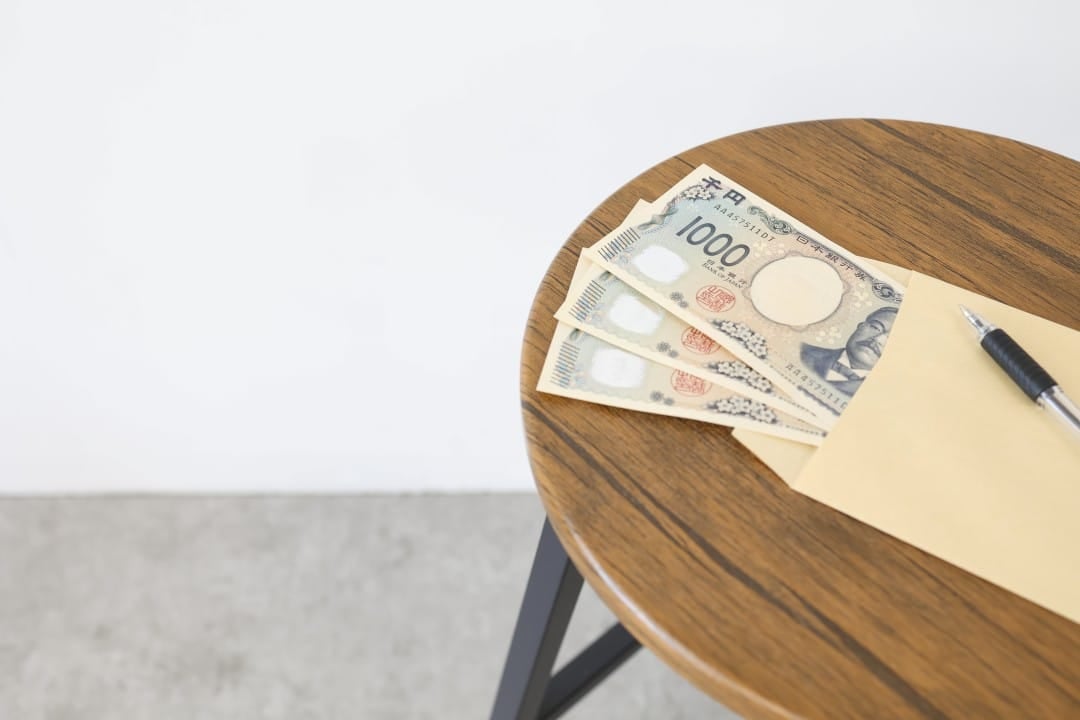
The Japanese government confirmed the maintenance of pension and social benefit payments for December 2025, following the values adjusted for the current fiscal year. The deposits, managed by Japan Pension Service, follow a bimonthly schedule and benefit millions of citizens and qualified foreign residents, ensuring financial stability for the elderly, people with disabilities and dependents.
The country’s pension structure requires contributions from all residents aged between 20 and 59, which are directed to Plano Nacional of Pensão. Para To access the full benefit by age, a minimum period of 10 years of contribution is required, with the full amount being granted to those who complete 40 years of payments upon reaching 65 years of age.
The system is designed to adapt to economic conditions, with annual adjustments based on indicators such as inflation and average wages. Essa measure seeks to preserve the purchasing power of beneficiaries and ensure the sustainability of the pension fund in the face of population aging, one of the main demographic challenges of Japão.
National pension plan details
The Japanese pension system is based on Plano Nacional of Pensão, known as Kokumin Nenkin, which serves as the basis of social security for all residents of the country. Membership is compulsory for the age group of 20 to 59 years, establishing a safety net that covers retirement due to age, disability and death pension for dependents. The monthly contribution has been set at 17,510 yen for the 2025 fiscal year, an amount that serves as a pillar for calculating all future benefits. Centralized management by Japan Pension Service ensures that payments are made efficiently and punctually, directly to the bank account registered by the beneficiary, facilitating financial planning and access to resources. Este solidarity model ensures that contributions from the economically active population finance the benefits paid to those receiving assistance, maintaining a continuous intergenerational support cycle.
Updated values for benefits in 2025
For the year 2025, the basic age pension amount for a taxpayer with 40 years of full payments has been set at approximately 831,700 yen annually. Este amount is the maximum reference within the Plano Nacional of Pensão.
In the case of disability pension, the amounts vary depending on the degree of disability. Para level 1, considered the most severe, the annual benefit can reach 1,039,625 yen, offering more robust financial support for those facing permanent work limitations.
The survivors’ pension, intended for spouses or dependent children, also has specific values. A family with one child, for example, can receive a total of 1,071,000 yen annually, ensuring financial support after the loss of a breadwinner.
These numbers are reviewed annually by the government to reflect changes in the cost of living and the economy. The objective is to ensure that benefits maintain their real value and continue to provide the necessary security to their recipients.
Eligibility for residents and foreigners
The right to social security benefits in Japão extends to all legal residents, regardless of nationality. Estrangeiros with medium to long-term residence status, including work, marriage or permanent residence visas, are required to contribute to the system and, consequently, become eligible to receive pensions, provided they meet the established requirements.
The main criterion for retirement by age is having accumulated a minimum of 10 years of contributions. Para facilitate compliance with this requirement, Japão has social security agreements with several countries, including Brasil. Esses agreements allow workers to add contribution periods in both countries to reach the minimum time required, ensuring that working time abroad is not lost.
The supplementary system for salaried workers
In addition to the basic plan, workers from private companies are enrolled in Employees’ Pension Insurance, known as Kosei Nenkin. Este is a complementary system that adds to Plano Nacional of Pensão.
Contributions to Kosei Nenkin are calculated based on the employee’s salary and divided equally between the employer and employee. Essa structure results in a significantly greater retirement benefit when compared to that received under the basic plan alone.
Procedures for receiving amounts
To receive payments, beneficiaries must register with Japan Pension Service, providing a local bank account for automatic deposit of the amounts. Esse procedure is generally initiated when the citizen approaches retirement age or when he becomes eligible for other types of pension.
Payments are made bimonthly, always in even-numbered months. The December deposit, for example, corresponds to benefits for the months of October and November, being credited in the middle of the month.
It is essential that beneficiaries keep their registration data, especially bank details, always updated with local pension offices. Qualquer divergence or outdatedness may cause delays or temporary suspension of payments.
Contribution exemption and deferral mechanisms
The Japanese pension system provides support mechanisms for people facing temporary financial difficulties, such as unemployment, or for low-income students. It is possible to request a total or partial exemption or postponement of payment of monthly contributions.
The request must be made directly to the municipal office in the city of residence. Once approved, the exemption period still counts towards the minimum 10 years of eligibility, although the final benefit amount will be reduced proportionally, unless payments are regularized within 10 years.
Refund for foreigners leaving the country
Foreigners who have contributed to the pension system for a minimum period of six months, but who have not reached the 10 years required to qualify for retirement and decide to leave Japão permanently, are entitled to request a partial refund of the amounts paid. Conhecido as “lump-sum withdrawal payment”, this benefit must be requested within two years after leaving the country.
