
The Xiaomi shakes up the premium mid-range smartphone segment in 2025 with the launch of two powerful models from its sub-brand: the Poco X7 Pro and the Poco F7. Ambos the devices promise high performance, superior quality screens and long-lasting batteries, but they differ in fundamental aspects that can be decisive for the consumer when making a choice.
While the Poco X7
This detailed analysis explores the main differences between the two devices, covering everything from processing power in games and heavy tasks to battery life, camera quality and, of course, the price range. The dispute puts the MediaTek Dimensity 8400 Ultra chipset of the X7 Pro on opposite sides and the powerful Snapdragon 8s

Design and screen: premium finish versus lightness in everyday life
In terms of construction, the Poco F7 stands out for adopting more sophisticated materials. Suas sides are made of aluminum and the rear has a frosted glass finish, which gives the device a feeling of greater robustness and a more elegant look, in line with higher category devices.
On the other hand, the Poco X7 Pro opts for a body constructed from high-quality plastic, with flat sides that guarantee a firm grip. Essa choice of material makes the smartphone lighter, weighing around 195 grams, a factor that favors comfort during long sessions of use or when carrying it in your pocket.
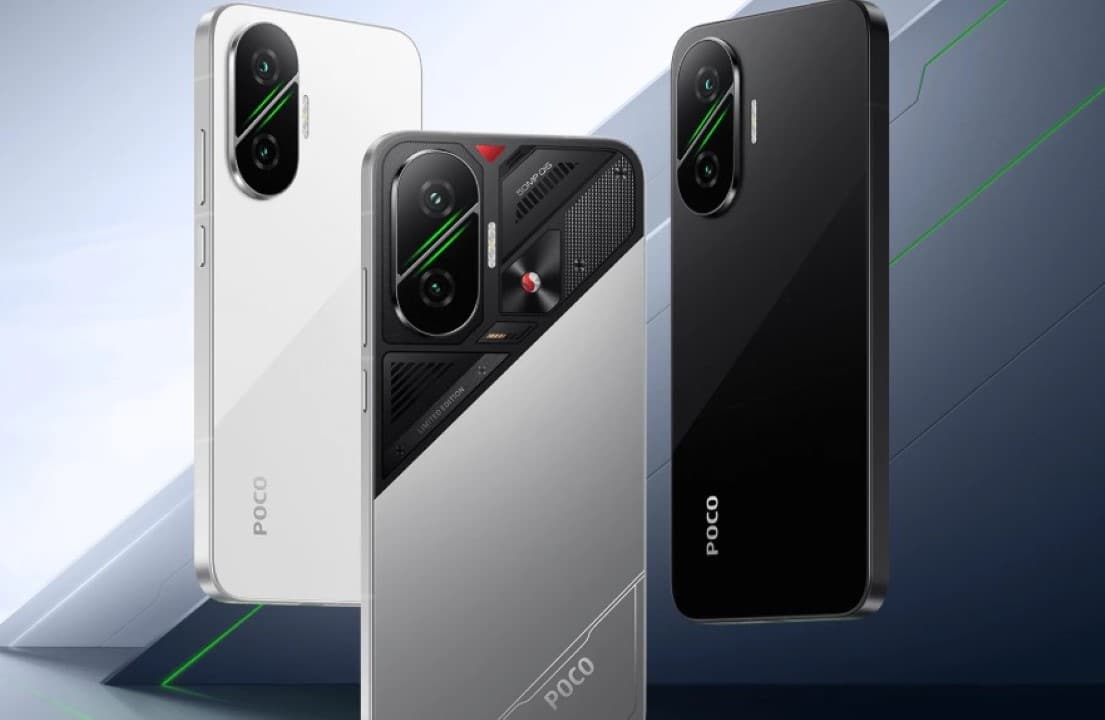
Both models have Gorilla Glass protection on the display for greater resistance to scratches and drops, as well as IP68 certification against water and dust. The screen is a strong point in both, with 6.67-inch AMOLED panels on the X7 Pro and 6.83 inches on the F7, both with 1.5K resolution, refresh rate of 120
Performance and processors: the battle between Snapdragon and MediaTek
The heart of each device defines the main difference in performance between them. The Poco F7 is equipped with the Snapdragon 8s Gen 4 chipset, a platform that offers cutting-edge performance and remarkable stability in demanding applications. In benchmark tests, such as AnTuTu, the F7 surpasses the 2 million points mark, reflecting its ability to run games like Genshin Impact and Delta Force with high and consistent frame rates, as well as a more advanced cooling system that prevents overheating in prolonged sessions of intense use.
The Poco X7 Pro is powered by the MediaTek Dimensity 8400 Ultra, a processor that also delivers robust performance for the category. With software optimizations, the X7 Pro achieves scores close to 1.7 million on AnTuTu, ensuring smooth multitasking and great performance in most games and applications available. Embora or Snapdragon of the F7 have a slight advantage in graphical stability, the Dimensity of the
Battery and charging: which lasts longer unplugged?
Battery life is one of the most important points for users, and here the Poco F7 has a small numerical advantage. The device comes with a 6,500 mAh cell, which, combined with the energy efficiency of its processor, guarantees a longer duration in intense use scenarios, such as continuous games or browsing for long periods.
The Poco X7 Pro, in turn, is equipped with a 6,000 mAh battery. Apesar of the slightly smaller capacity, the HyperOS system and MediaTek chipset are optimized to ensure excellent power management, allowing the device to also easily reach the end of the day with charge left.
In practice, both models can offer up to two days of autonomy in moderate use, which is an excellent result. The main difference appears in stress tests, such as continuous video playback, where the F7 can stay on for longer.
When it comes to recharging, there is a technical tie. Ambos smartphones support 90 W fast charging, with the compatible charger included in the box. Essa power allows the battery to go from 0 to 100% in less than an hour, an extremely convenient feature for those with a busy schedule. Nenhum of the two, however, supports wireless charging.
Camera analysis: 50 MP sensors with different results
In the photographic department, the Poco F7 and Poco X7 Pro feature a very similar set of hardware, but with results that vary due to the image processing of each chipset. Ambos smartphones use a 50 megapixel main sensor with optical image stabilization (OIS), accompanied by an 8 megapixel ultrawide lens for captures with an expanded field of view. The front selfie camera is also identical, with 20 megapixels. The main difference in hardware is the presence of an additional 2 MP macro lens on the X7 Pro, dedicated to photos of very close objects. In good lighting conditions, both devices deliver high-quality photographs, with an excellent level of detail and vivid colors. Contudo, the post-processing of the Poco F7 tends to produce colors that are more faithful to reality, while the X7 Pro delivers images with slightly warmer and more saturated tones, a profile that may please those who prefer a more vibrant look without the need for subsequent editing. Optical stabilization is a big plus, helping to avoid blurry photos in low-light environments and making 4K video recording smoother and more professional.
Extra software and features that make a difference
Both the Poco F7 and the X7
Both offer an immersive audio experience with stereo speakers and Dolby Atmos support. Connectivity is also complete, with support for 5G networks, NFC for contactless payments and Wi-Fi 6. An advantage for the F7 is the promise of longer software update support, as it belongs to a line considered superior within the Poco portfolio.
Prices and cost-benefit: the decisive factor for purchasing
The price difference is one of the most impactful factors when deciding between the two models. The Poco
The Poco F7 has a starting price of around R$2,700. The higher value is justified by the more powerful processor, construction with premium materials and extended software support. The choice here will depend on each consumer’s budget and priority.
Final verdict: which Poco model is right for you?
The decision between the Poco F7 and the Poco X7 Pro comes down to what the user values most. The X7
