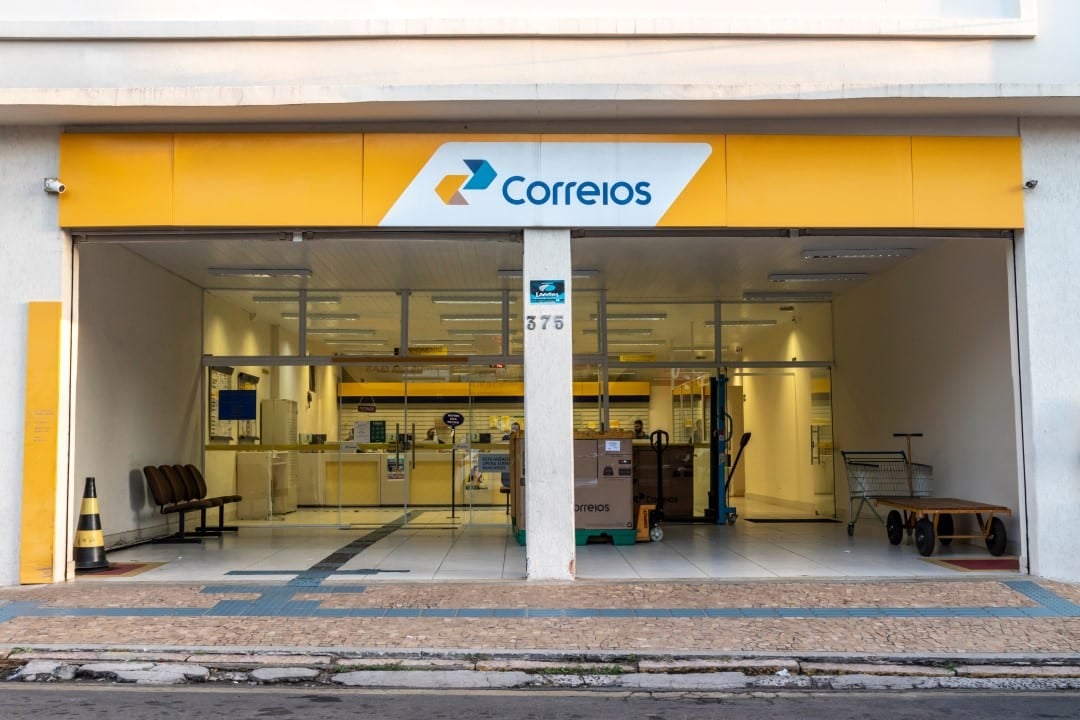
Brazil’s postal service, Correios, recently received a substantial R$10 billion injection, marking the first tranche of a R$12 billion loan designed to stabilize its finances and address urgent operational needs. This crucial funding, secured last Tuesday, is primarily allocated to cover employee salaries and settle outstanding debts with suppliers, aiming to rebalance the company’s accounts over the next two years, specifically through 2025 and 2026. The remaining R$2 billion from this significant financing package is scheduled to be disbursed and enter the postal company’s cash flow in 2026, providing further support for its ongoing restructuring efforts.
The R$12 billion loan agreement was formally signed on the previous Friday (January 26, 2025) with a consortium of five major banks. This financial operation is a cornerstone of Correios’ strategy to regain fiscal health and enhance its operational efficiency after a period of considerable financial strain. The immediate application of the initial R$10 billion installment highlights the pressing need to address current liabilities and ensure smooth day-to-day operations.
Immediate financial injection supports postal service stability
The swift disbursement of the initial R$10 billion underscores the critical financial situation faced by the state-owned postal service. Funds are being channeled directly into essential expenditures, preventing potential disruptions to its vast network and services. This initial capital infusion is expected to provide much-needed breathing room for the company as it embarks on a comprehensive turnaround plan.
Ensuring timely salary payments to its extensive workforce and settling commitments with suppliers are vital steps towards rebuilding trust and operational continuity. These measures are foundational to the broader objective of achieving financial equilibrium and setting Correios on a more sustainable path in the competitive logistics and delivery market.
Treasury guarantee lowers borrowing costs significantly
A key component of this financing deal is the guarantee provided by the National Treasury. This governmental backing fundamentally reduces the risk profile of the loan for the participating financial institutions, leading to more favorable lending terms. Consequently, Correios benefits from potentially lower interest rates and more accessible credit conditions compared to an unsecured borrowing arrangement.
The Secretary of the National Treasury, Rogério Ceron, highlighted the direct financial advantage of this guarantee, estimating an impressive saving of approximately R$5 billion in interest payments over the life of the loan. This substantial reduction in borrowing costs significantly improves the overall financial viability of the restructuring operation, making the path to fiscal recovery more manageable for the postal giant. The federal government, through the Treasury, effectively acts as a safety net, assuming responsibility for repayment should Correios face difficulties in honoring its debt obligations, thereby protecting the lenders.
Broader restructuring plan targets R$20 billion by 2027
The current R$12 billion loan represents a significant, but not exhaustive, part of Correios’ ambitious reestructuração (restructuring) strategy for the 2025-2027 period. The comprehensive plan anticipates raising a total of up to R$20 billion to fully address its financial challenges and modernize its infrastructure. This implies that after the current loan, an additional R$8 billion would still be required to meet the projected funding needs for its long-term stability.
Decisions regarding the procurement of this remaining capital are slated for 2026. Options under consideration include a potential direct financial contribution from the National Treasury or embarking on a fresh round of syndicated loans with other financial institutions. This phased approach allows for flexibility in adapting to market conditions and the evolving financial health of the company. The target of R$20 billion underscores the scale of the financial transformation envisioned by the company’s leadership.
Strategic initiatives for revenue and expenditure improvements
Beyond external financing, the 2025-2027 restructuring plan meticulously outlines several internal strategies to boost the company’s financial performance. A core objective is to implement an annual reduction of R$4.2 billion in operational expenses, which will involve streamlining processes and optimizing resource allocation across its vast network. These cuts are crucial for enhancing profitability and reducing reliance on external aid.
Simultaneously, Correios aims to significantly increase its annual revenues, with an estimated growth of R$1.7 billion. This surge is expected to come from new service offerings, improved market penetration, and potentially revised pricing strategies. Furthermore, the plan includes a projected R$1.5 billion generation of funds through the sale of underutilized real estate assets, leveraging its extensive property portfolio to unlock capital for reinvestment and debt reduction.
State-owned enterprises face record deficit challenges
The financial difficulties at Correios are not isolated but reflect a broader trend among state-owned enterprises in Brazil. Under the current administration, these companies collectively registered a record deficit of R$20.5 billion, indicating systemic challenges in management, operational efficiency, and market adaptability. This broader context emphasizes the urgency and importance of the Correios’ restructuring efforts not just for the company itself, but for the overall health of Brazil’s public sector.
Outlook for future funding decisions
The strategic decision on how to secure the remaining R$8 billion for the full R$20 billion restructuring goal in 2026 will be pivotal for Correios’ long-term future. Whether through further government backing or new market loans, these choices will shape the company’s financial autonomy and its capacity for sustained growth and modernization in the coming years.
