The beginning of 2026 will bring a celestial spectacle to millions of observers around the world. The first supermoon of the year, popularly named Lua do Lobo, promises to light up the sky with an unusual brightness and size. Este phenomenon occurs when the full moon coincides with the closest point in its orbit in relation to Terra, known as perigee.
The event is scheduled for the night of January 3, 2026, extending into the early hours of the 4th. Especialistas indicate that visibility will be exceptional in several regions, including Argentina and much of the globe, providing a captivating visual experience for enthusiasts and the curious. The natural satellite will appear slightly larger and considerably brighter than in its usual full moon phases.
The expectation is that the intense brightness of the supermoon will capture attention since sunset, reaching its peak visibility at specific times according to the geographic location. Esta conjunction of factors makes Superlua of Lobo one of the most anticipated astronomical events to inaugurate next year’s lunar calendar.
Celestial phenomenon: what defines a supermoon
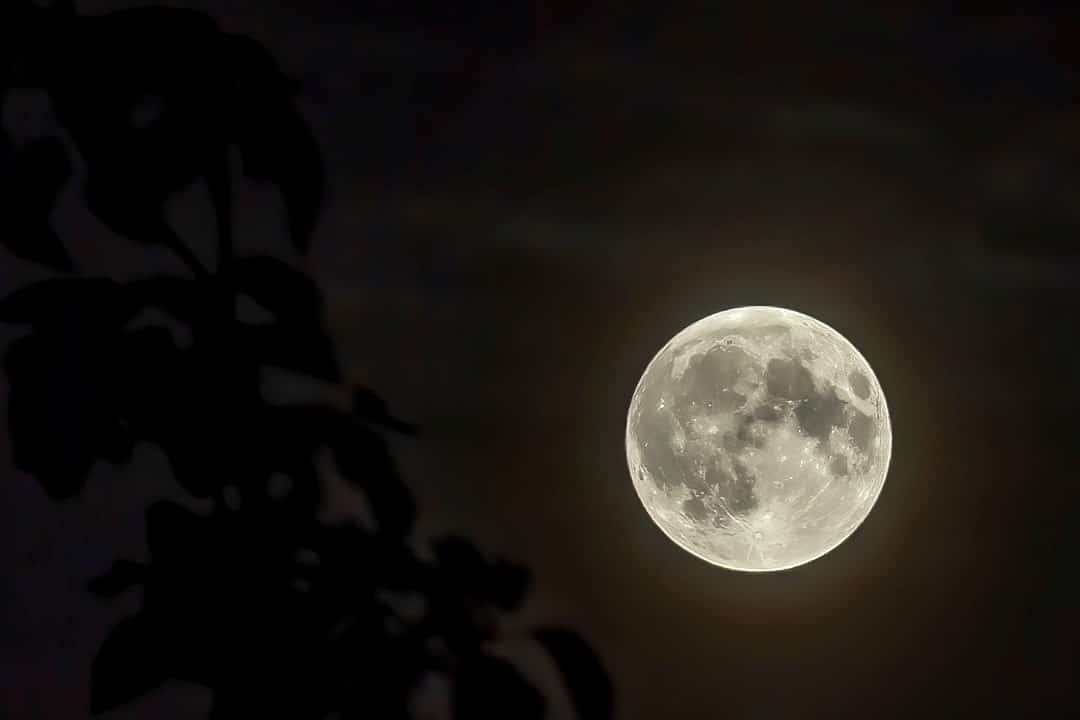
A supermoon occurs when the full moon phase coincides with perigee, the point in the lunar orbit at which the natural satellite is closest to the planet Terra. Durante this approach, the distance between Lua and Este visual effect is particularly notable when Lua is low on the horizon, creating an optical illusion that further expands its apparent size and fascinates observers. The good news is that no specialized equipment is needed to enjoy this spectacle, as it is fully visible to the naked eye, although binoculars can offer an enhanced view of its craters and seas.
How and when to observe the Wolf Moon in 2026
According to astronomical information, the full moon will reach its maximum brightness precisely at 11:03 am (Argentina time) on January 3, 2026. However, the phenomenon will be fully visible from dusk on Saturday until the early hours of Sunday, the 4th.
In locations like San Luis, for example, the ideal period for observing Superlua from Lobo will start at 8:55 pm and last until 6:46 am the following morning. Esses times serve as a reference for planning the best viewing experience in different time zones.
To maximize observation, it is essential to seek environments with low light pollution, away from city lights, and ensure a clear horizon. Weather conditions, especially the absence of clouds, will be crucial to the sharpness and intensity of the phenomenon.
The story behind the name Wolf Moon
The popular name “Lua do Lobo” has its roots in the ancient traditions of the indigenous peoples of América do Norte. Estes people associated the month of January with harsher winters and increased activity of wolves, whose howls were often heard near human settlements under the light of the full moon.
In other cultures, the January full moon received names such as “Moon Fria” or “Moon of Embora such names do not have a scientific basis, they make up a rich part of folklore and the popular lunar calendar, carrying a symbolism of introspection and new beginnings.
Encounter with the quadrantid meteor shower
The night between January 3 and 4, 2026 will be doubly special on the astronomical calendar. Além from Superlua from Lobo, the Quadrântidas meteor shower will reach its peak activity simultaneously. Este event is recognized as one of the most intense of the year, potentially offering a large number of “shooting stars”.
Despite expectations, the intense brightness of the supermoon could pose a challenge. The magnified luminosity of Lua from Lobo has the potential to overshadow weaker meteors, making them difficult to perceive with the naked eye. Para increase the chances of seeing the Quadrântidas meteors, astronomers recommend that observers direct their gaze to the opposite side of Lua.
Lunar events predicted for the 2026 calendar
The year 2026 will feature a total of thirteen full moons, a higher number than usual. Esta occurrence is due to the duration of the lunar cycle, which is approximately 29 and a half days, allowing, occasionally, a month to have two full moons.
Specifically in May, the sky will be graced with two full moons, the second of which is traditionally known as Lua Azul. The Este phenomenon, although it does not imply an actual change in the color of the Lua, is a rare milestone in the lunar calendar.
In addition to Superlua of Lobo in January, other supermoons are expected for the months of November and December 2026, offering new opportunities to contemplate Lua at its perigee. On the other hand, May will also bring a micromoon, when the full moon coincides with its apogee – the furthest point from Terra –, making the satellite appear slightly smaller.
Preparations for night observation
For all astronomy enthusiasts and those looking for a moment of contemplation, Superlua of Lobo in January 2026 offers a unique chance. Não there is a need for sophisticated equipment or advanced knowledge to enjoy the amplified beauty of Lua. Basta look up at the sky in a strategic location. Buscar areas far from urban light pollution and choosing a point with a clear horizon are the main recommendations. The astronomical community reinforces that this spectacle is an accessible opportunity to observe one of the most impressive phenomena of the lunar calendar.
