
The arrival of the iPhone 17 in September 2025 puts many consumers in a common dilemma in the Apple ecosystem: opt for the most recent base model or invest in an Pro version from the previous year. A detailed analysis of the specifications reveals that the iPhone 16 Pro, launched in 2024, maintains a significant competitive advantage in crucial areas, justifying its choice even with a new device on the market. Recursos camera system and data transfer speed position the older model as the smartest option for professional users and technology enthusiasts.
The pricing strategy of Apple on Brasil accentuates this comparison. The iPhone 17, in its entry-level version with 256 GB, was launched for R$7,199, while the 128 GB iPhone 16 Pro can be found for values close to R$7,299 at several retailers. The small difference in value does not reflect the disparity in features, making cost-benefit analysis essential before making a purchasing decision. Ambos devices will receive the update to iOS 26, ensuring software parity and access to the latest features, including Apple Intelligence optimizations.
For those looking for a device that offers greater longevity in terms of hardware capacity, the iPhone 16 Pro stands out. The combination of a robust processor, premium construction and a more versatile camera array ensures that the device remains relevant and highly functional for years to come, overcoming the limitations inherent in an entry-level model, even if it is from a newer generation.
Decisive advantages in the camera system
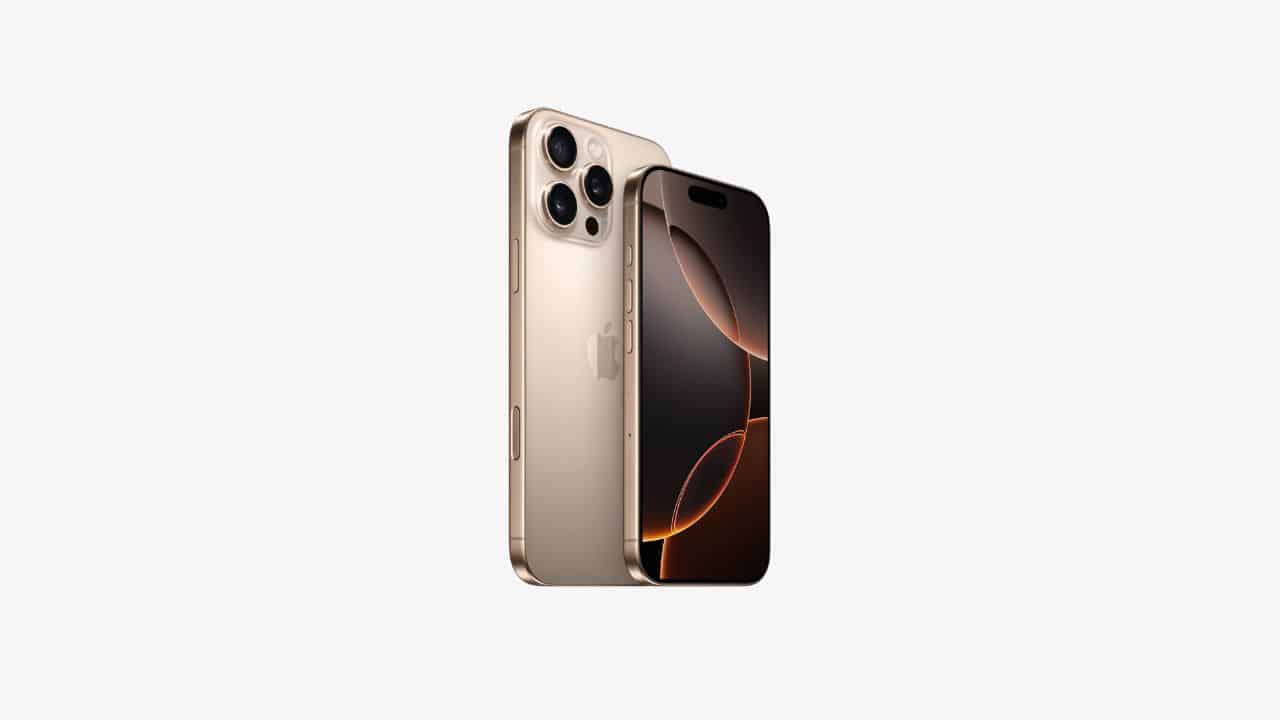
The main difference of the iPhone 16 Pro lies in its photographic set. The device comes equipped with a triple camera system, including a 12 MP periscopic telephoto lens that offers 5x optical zoom. Esse feature, absent from the iPhone 17’s dual camera system, allows you to capture sharp, detailed images at long distances, ideal for event, sports or nature photography, without the loss of quality associated with digital zoom.
In addition to reach, professional video quality is another strong point. The iPhone 16 Pro is capable of recording in Dolby Vision format in 4K resolution at 120 frames per second (fps). Essa capability allows you to create slow motion videos with fluidity and cinematic quality. On the other hand, the iPhone 17 is limited to 60 fps in the same format, which restricts the creative possibilities for content producers and videographers who depend on the smartphone for their work.
Low light performance is also superior on the Pro model, thanks to a larger main sensor that captures more light. Isso results in night photos with less noise and more detail. Para photographers who use ProRAW mode, the 16 Pro’s hardware offers more flexibility in post-production, consolidating it as a more complete and versatile photographic tool.
Performance and processing for demanding tasks
At the heart of the iPhone 16 Pro is the A18 Pro chip, built on a 3-nanometer process and operating at 4.05GHz. The Pro model has historically included more GPU cores and a more powerful Neural Engine, which translates into superior performance for video editing, 3D rendering, and graphics-intensive gaming. Testes benchmarks like AnTuTu show a marginal difference of just 157 thousand points, indicating that, in practice, the raw performance is quite similar, but the 16 Pro has an advantage in applications optimized for its specific hardware.
Multitasking management is also a point to be considered. Equipado with 8 GB of RAM, the iPhone 16 Pro can keep more applications open in the background without the need to reload them, providing a more fluid user experience. In real-world usage scenarios, such as switching between a heavy game like Genshin Impact and an editing application like Adobe Lightroom, the Pro model demonstrates around 10% greater efficiency, avoiding stutters and slowdowns. Battery life is equivalent on both, with the Apple promising up to 29 hours of video playback, but the 16Pro better manages heating under prolonged stress.
Transfer and connectivity features
A fundamental technical difference for professionals is the connection port. The iPhone 16 Pro supports the USB 3 standard, which allows data transfer speeds of up to 5 Gbps. Essa feature is a game-changer for photographers and videographers who need to offload large volumes of ProRAW or ProRes files to a computer or external hard drive. Transferring a 100GB video project, for example, can be completed in just a few minutes.
On the other hand, the iPhone 17 maintains the USB 2 standard, with significantly slower speeds, limited to around 480Mbps. Essa limitation makes the process of backing up and transferring large files a time-consuming and impractical task for those working with high-resolution content. The 16Pro’s increased speed also expands compatibility with high-performance accessories such as external monitors and audio interfaces.
Superior screen and build quality
The visual experience is notably superior on the iPhone 16 Pro. Sua 6.3-inch Super Retina XDR screen with ProMotion technology allows for a variable refresh rate of up to 120 Hz, which results in smoother animations and greater touch responsiveness, something that the iPhone 17, with its 60
Maximum brightness is another important difference. The 16 Pro’s panel reaches 2,000 nits peak, making it easy to view content in direct sunlight. The iPhone 17, in turn, is limited to 1,600 nits, a noticeable difference in outdoor environments.
Regarding construction, the iPhone 16 Pro uses a titanium structure, a material that is lighter and more resistant to drops and scratches compared to the aluminum used in the iPhone 17.
Both models support technologies such as HDR10 and Dolby Vision, but the color calibration on the Pro panel is more precise, benefiting those who work with image editing directly on the device.
Cost, storage and value analysis
The Apple’s storage and pricing strategy makes choosing the iPhone 16 Pro even more attractive. The Pro model offers a range of options ranging from 128 GB to 1 TB, allowing consumers to choose the capacity that best suits their needs and budget. The 128 GB version, at R$7,299, is an affordable entry point into the Pro ecosystem. In contrast, the iPhone 17 eliminated the lowest capacity option, starting at 256 GB for R$7,199. Although the price per gigabyte is advantageous in the newer model, it forces the consumer to make a larger initial outlay, even if they don’t need as much space. Para users who rely on cloud storage or simply don’t keep a lot of large files, the 16 Além In addition, promotions and exchange programs at operators can reduce the cost of the 16 Pro by up to R$500, making its cost-benefit even more evident compared to the 2025 launch.
Ecosystem and accessories
Both devices integrate perfectly into the Apple ecosystem, offering full compatibility with accessories such as AirPods and Apple Watch. However, the iPhone 16 Pro has a small advantage in wireless charging speed via MagSafe, optimizing the routine of those who use charging bases. Essa optimization ensures that the device reaches full charge more quickly, an important detail for users with a busy day to day life.
Final thoughts on the choice
When considering between the iPhone 16 Pro and the iPhone 17, the decision depends on the usage profile. Para the average consumer who is just looking for the latest device, the iPhone 17 is a competent option.
However, for users who value high-quality photography, heavy-duty performance, and a smoother, more premium user experience, the iPhone 16 Pro stands as the superior choice, offering a suite of professional features that the newer base model simply can’t match.
