
Brazilian tennis player João Fonseca announced, earlier this week, his withdrawal from the ATP 250 of Brisbane, at Austrália, one of the first tournaments of the 2025 season. The unexpected decision was motivated by an injury to the lower back, raising concerns among the athlete’s fans and team.
Fonseca, 19 years old, was scheduled to make his debut against the American Reilly Opelka. Contudo, the need to preserve his health and avoid worsening the injury led to the young talent’s withdrawal from the main group, directly impacting his planning and initial performance on the circuit.
Despite the scare, recent tests, including an MRI, confirmed that the injury is not serious. The news brought relief, but the prudence of the team and the player was fundamental to the decision, aiming for a complete and safe recovery for the future challenges of the 2025 season.
This withdrawal will have repercussions on his position in the ATP world rankings, as non-participation prevents him from gaining crucial points. The expectation is that the Brazilian could drop some positions in next week’s update, potentially leaving the select group of Top 30.
The decision to withdraw from the ATP 250 of Brisbane
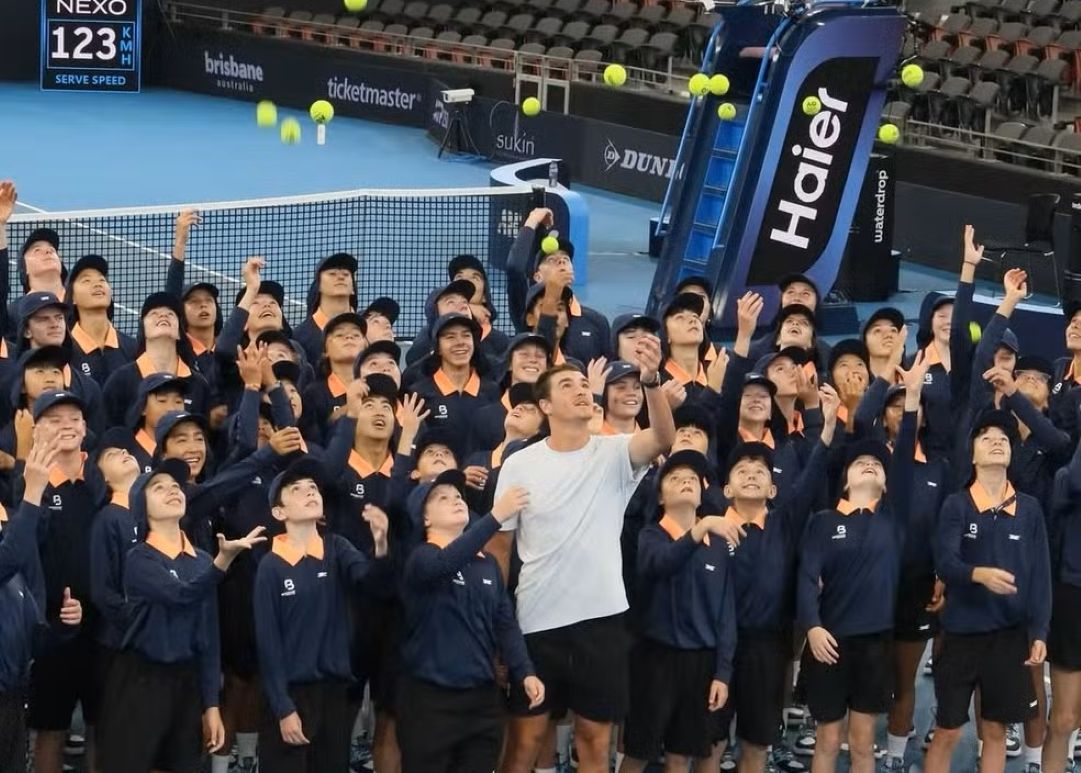
The withdrawal of João Fonseca from the ATP 250 of Brisbane, which occurred in the early hours of Sunday (4), Austrália local time, surprised the tennis community. Ele was scheduled to face the experienced Reilly Opelka in their first match of the tournament.
The early interruption of his participation in an important event on the ATP calendar highlights the seriousness with which the Fonseca team takes the athlete’s health. Preventing more serious injuries is a priority, especially for an up-and-coming player.
Consequences on the ATP world rankings
Brisbane’s non-participation in the ATP 250 means that João Fonseca will not accumulate the points that could be obtained in the tournament, resulting in a likely drop in his position in the ATP rankings. Essa movement is natural when an athlete does not defend or does not score points in scheduled events.
Currently occupying a prominent position, the Brazilian runs the risk of leaving the group of the 30 best tennis players in the world, depending on the results of other players in the same week. The start of the season is vital for building a points base that will sustain the ranking throughout the year, and each tournament counts towards this tally.
João Fonseca’s recent trajectory on the circuit
João Sua meteoric rise is the result of a remarkable performance in the 2024 season, which consolidated his name on the professional scene.
In 2024, the young car from Rio reached important milestones in his career, winning his first two ATP titles: an ATP 250 in Buenos Aires and an ATP 500 in Basileia. Essas victories demonstrated his ability to compete at a high level and win significant tournaments, projecting him towards a promising future.
Understand the lower back injury
The official cause of João Fonseca’s withdrawal in Brisbane was an injury to the lower back, a common area of overload for tennis players due to the repetitive, high-impact movements required by the sport.
Immediately after feeling the discomfort, the athlete underwent detailed examinations, including an MRI. Esses procedures are crucial for an accurate diagnosis of the condition and for determining the appropriate treatment plan.
Fortunately, the test results confirmed that Fonseca’s injury is not serious, which minimizes the expected recovery time and rules out more worrying scenarios. The decision to withdraw was therefore a precautionary and cautious measure.
Preparation for the next tournaments in 2025
With the withdrawal of Brisbane, the João Fonseca team has already recalibrated its planning for the rest of the start of the season. Sua next official appearance is scheduled for the ATP 250 of Adelaide, also at Austrália.
Adelaide’s tournament is scheduled to begin on January 12th, which gives Fonseca a few additional days to continue his recovery and fitness process. Este time will be essential to ensure that he is in full condition to compete.
Load management and physiotherapeutic monitoring will be intensified during this period, aiming not only to recover the lower back, but also to optimize your general physical condition for the challenges to come. The 2025 season is long, and athlete health is the top priority.
The strategy now focuses on minimizing the impacts of withdrawal, focusing on performance in upcoming events and maintaining its rise in the rankings. The objective is to resume the competitive rhythm without risking the physical integrity of the young tennis player.
The national tennis scene on the professional circuit
The presence of João Fonseca on the professional circuit has been a boost for national tennis, which is looking for new talents to represent the country in major competitions. Sua rise has inspired young athletes and brought greater attention to the sport.
The constant participation of Brazilian players in high-level ATP tournaments is crucial for the development of the sport in the country. The visibility and experience gained in these competitions are invaluable for the development of athletes and for encouraging future generations of tennis players.
Care and prevention in elite athletes
The occurrence of injuries, even if mild, in high-performance athletes like João Fonseca, highlights the importance of prevention programs and continuous care for physical health. A professional tennis player’s routine involves intense training and an exhausting game schedule.
Physiotherapy, multidisciplinary medical monitoring, adequate nutrition and rest are essential pillars for the longevity and career success of an elite athlete. Proactive management of minor pains and discomforts is essential to avoid larger problems that could compromise the season.
