The Ministério of Saúde formalized the restructuring of the Programa Nacional of Controle of the Tabagismo (PNCT) within the Sistema Único of The initiative aims to reduce the prevalence of smokers in the country, which, according to recent data from Pesquisa Nacional of Saúde (PNS), still represents a significant portion of the population. The coordination of actions at national level will be the responsibility of Instituto Nacional of Câncer (INCA), consolidating coordination between the federal, state and municipal spheres.
The measure is a direct response to the alarming numbers associated with tobacco consumption. The Organização Mundial of the Saúde (WHO) estimates that smoking is responsible for hundreds of daily deaths in the Brasil, in addition to being a risk factor for dozens of chronic diseases, such as cancer, cardiovascular and respiratory problems. The program seeks not only to treat addicts, but also to strengthen prevention policies and the protection of non-smokers against secondhand smoke.
Access to treatment is universal and free, with the gateway being the Unidades Básicas of Saúde (UBS) distributed throughout the national territory. Those interested in quitting smoking can look for the nearest health center for an initial assessment and, from there, be included in therapy and professional support groups. PNCT is based on a multidisciplinary approach, combining psychological support with drug treatment, when necessary, to increase the chances of success.
How treatment works in SUS
The first step for anyone who wants to give up smoking through the SUS is to look for the reference Unidade Básica of Saúde (UBS) in their neighborhood. Lá, the patient will undergo a clinical evaluation with a healthcare professional, who will determine the degree of nicotine dependence and check whether there are other associated diseases.
Based on this initial diagnosis, an individualized therapeutic plan is drawn up. The main methodology used is the cognitive-behavioral approach, generally carried out in group therapy sessions. Esses meetings provide a safe space for exchanging experiences and developing strategies to deal with abstinence.
Group sessions are structured to occur weekly during the first month, becoming fortnightly in the second and monthly from the third month onwards, with total follow-up that can last up to a year. Esse continuous support is essential to prevent relapses and ensure that the patient remains firm in their purpose.
In addition to therapeutic support, the healthcare professional assesses the need for drug treatment to assist in the process. The combination of the two approaches has proven to be the most effective for smoking cessation, considerably increasing success rates among program participants.
Medicines available for free
One of the pillars of the treatment offered by the PNCT in the SUS is the free provision of medications that help control the symptoms of nicotine withdrawal. Esses drugs are prescribed by a healthcare professional after a careful assessment of each patient’s needs, considering their level of dependence and clinical history. Medication works as a support so that the individual can focus on the behavioral changes proposed by therapy.
Among the pharmacological resources offered are nicotine replacement therapies (NRT), such as transdermal patches and chewing gum. Esses products provide controlled doses of nicotine to the body, relieving the most intense symptoms of craving without exposing the patient to other toxic substances present in cigarettes. Outro important medication is bupropion hydrochloride, an antidepressant that acts on the central nervous system to reduce the desire to smoke and the symptoms of withdrawal syndrome.
The program’s axes of action
The new PNCT was structured to act on complementary fronts, ensuring a complete approach to the problem. The first axis is comprehensive care, which ranges from the prevention of smoking initiation, with a special focus on young people and adolescents, to the direct treatment of addicts and the protection of the population against exposure to tobacco smoke in collective environments.
The second axis is education, which provides for the continuous training of health professionals, program managers and health surveillance agents. Esta frente também é responsável por desenvolver e fomentar campanhas e ações educativas direcionadas à população em geral, com o objetivo de conscientizar sobre os riscos do tabagismo e os benefícios de parar de fumar.
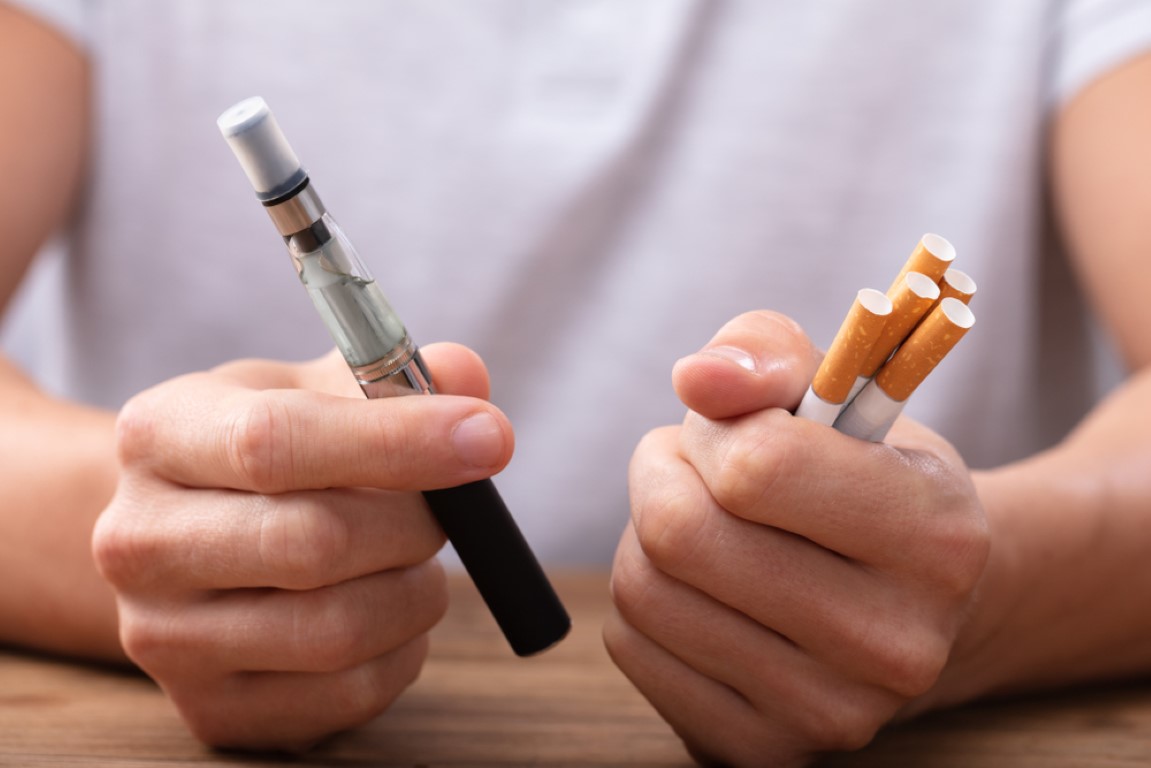
Finally, the third axis is health surveillance. Sua function is to monitor the consumption of tobacco and its derivatives in the country, including emerging smoking products, such as electronic cigarettes, and illegally sold products. Esse monitoring generates essential data for evaluating the effectiveness of public policies and for planning new control strategies.
INCA’s role in national coordination
The designation of Instituto Nacional of Câncer (INCA) as national coordinator of the PNCT reinforces the seriousness and scientific basis of the program. INCA has extensive experience in the area, having been a technical reference for Ministério of Saúde and other government bodies for decades. Sua performance is crucial to ensure the standardization and quality of treatment offered throughout the Brasil.
It will be up to Instituto to develop support materials, define clinical protocols that must be followed by healthcare teams and promote the training of professionals working on the front line, in Unidades Básicas and Saúde. INCA will also be responsible for articulating the treatment network and monitoring the program’s performance indicators in states and municipalities, ensuring that smoking reduction targets are achieved.
Current smoking data in Brasil
Despite significant advances in recent decades, smoking remains one of the biggest public health challenges in Brasil. The most recent Pesquisa Nacional of Saúde (PNS) indicated that millions of Brazilians are still daily smokers, exposing themselves to a high risk of developing approximately 50 types of diseases. Tobacco is the main cause of preventable death in the world, and in the country, it is responsible for more than 200 thousand deaths annually. Além of human losses, smoking generates a significant economic cost for the health system, related to the treatment of diseases caused by smoking. The fight against tobacco also faces new challenges, such as the growing popularity of electronic smoking devices (EDFs), or vapes, which attract mainly young people and represent a new gateway to nicotine addiction, threatening the progress made.
Challenges and threat of electronic cigarettes
Even with a consolidated control policy, Brasil faces persistent challenges in the fight against smoking. One of the main obstacles is the spread of Dispositivos Eletrônicos to Fumar (DEFs), popularly known as vapes or electronic cigarettes. Apesar since their commercialization, import and advertising have been prohibited by Anvisa since 2009, the consumption of these products has grown exponentially, especially among young people.
The false perception that vapes are harmless or less harmful than conventional cigarettes contributes to their widespread social acceptance. However, studies have already shown that these devices contain toxic and carcinogenic substances, as well as high concentrations of nicotine, which can lead to strong chemical dependency. The PNCT includes surveillance of these products as one of its priorities, seeking ways to combat the illegal market and raise awareness of the risks.
Benefits of smoking cessation
Quitting smoking brings almost immediate health benefits. In just 20 minutes, blood pressure and pulse rate return to normal. Within 24 hours, the lungs begin to eliminate mucus and smoke residue, and within 48 hours, the sense of smell and taste already show significant improvement. In the long term, the risks of developing serious illnesses, such as heart attack, stroke and various types of cancer, decrease drastically, increasing life expectancy and quality of life.
