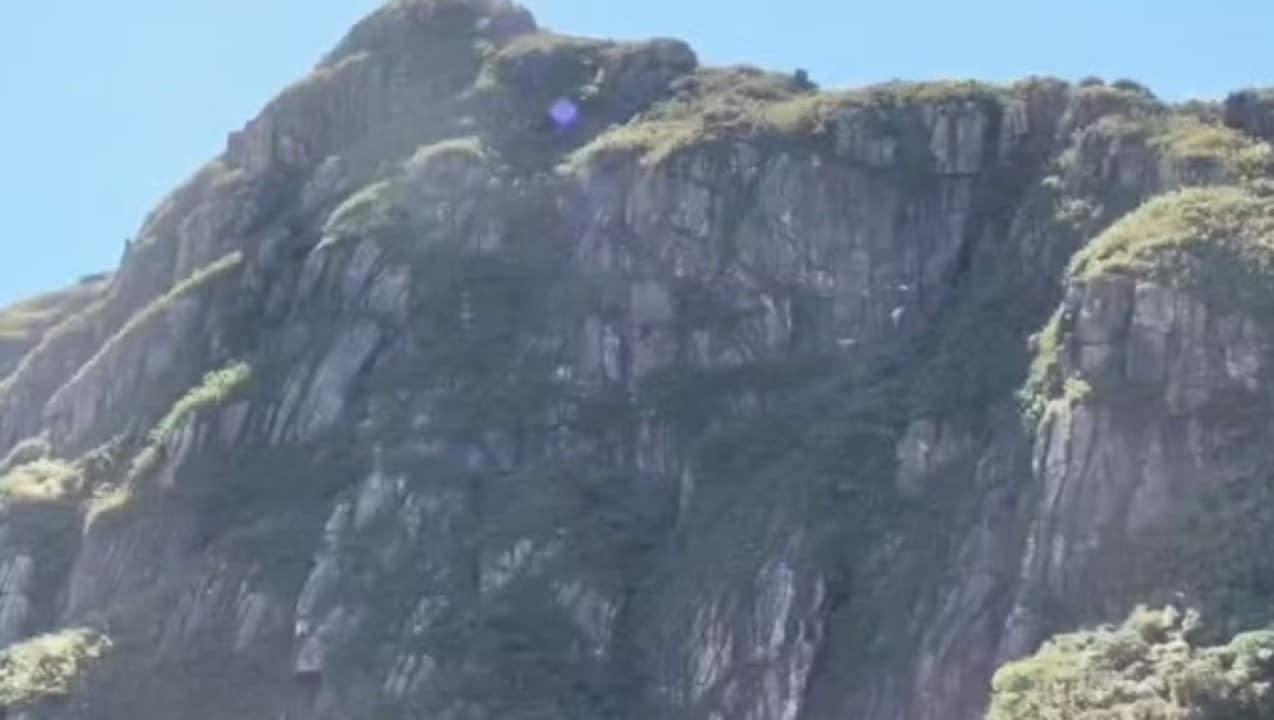
Roberto Farias Thomaz, a 20-year-old adventurer, was recently found alive after a harrowing four-day disappearance on Pico Paraná, one of Southern Brazil’s highest peaks. His rescue brought relief, but also unveiled a critical safety oversight: he had not completed the mandatory registration required for all visitors to the protected area. This vital information was confirmed by the IAT (Instituto Terra e Água), the governing body for the mountainous region.
The absence of this compulsory access record complicated initial search efforts and highlighted the importance of adhering to park regulations. This incident serves as a stark reminder for all trekkers about the responsibilities accompanying mountain exploration.
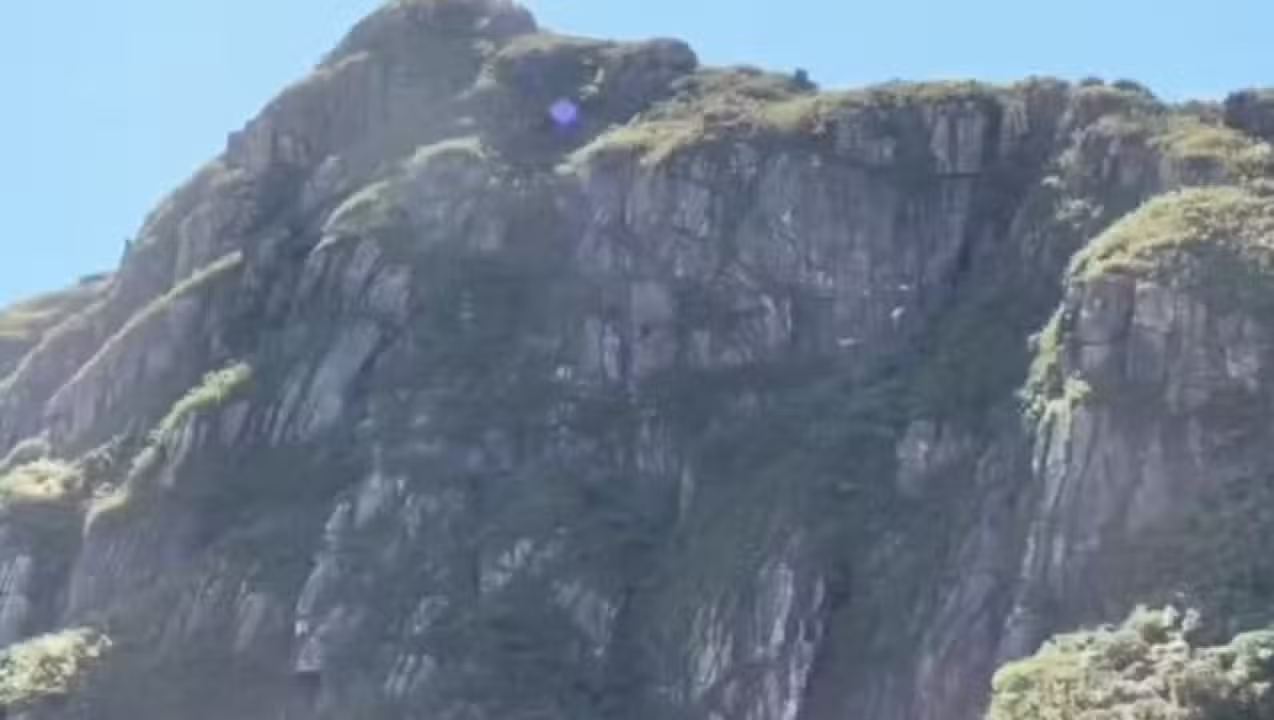
The mandatory registration process, designed to enhance visitor safety, typically occurs at the trail’s starting point. It requires trekkers to provide their full name, CPF (Cadastro de Pessoa Física), emergency contact details, estimated return time, and receive essential safety orientations. Such information is crucial for rescue teams in cases of emergency, providing a clear starting point for any operation.
Hiker’s ordeal highlights crucial safety lapses
Thomaz was discovered alive on a Monday, having managed to reach a farm base in Antonina Cacatu after an arduous journey spanning over 20 kilometers. He exhibited various abrasions and bruises, testaments to the challenging conditions he endured while lost. His four days missing underscored the inherent risks of unprepared mountain excursions, even for experienced hikers.
During his ordeal, Thomaz reported losing his glasses, which severely impaired his vision, and completing the treacherous descent without boots. These factors, combined with the dense and unforgiving terrain, significantly escalated the dangers he faced. The ability to navigate such conditions for days alone speaks to the immense physical and mental strain he experienced.
Mandatory registration overlooked
The IAT promptly confirmed that Roberto did not register his ascent at the park’s base, a protocol mandatory for anyone entering the protected area. This omission meant the institute lacked crucial data that could have expedited or guided the search efforts more effectively from the outset.
Mandatory registration serves as a foundational safety measure, providing administrators with a clear record of who is on the trails and when they are expected back. It collects essential traveler details like full name and CPF, emergency contact information, and a predicted return date, alongside distributing vital safety guidelines to ensure trekkers are well-informed before beginning their journey into the wilderness.
Park access restricted following incident
In the wake of Roberto’s disappearance and subsequent rescue, the IAT implemented immediate and significant access restrictions across the region. As of a recent Saturday, entry to several prominent peaks, including Pico Paraná, Caratuva, Getúlio, and Itapiroca, has been temporarily suspended without a specified reopening date. This measure underscores the serious implications of safety breaches and the authorities’ commitment to preventing similar incidents.
The temporary closure reflects a broader review of safety protocols and visitor management strategies within the protected areas. Such restrictions aim to allow park officials to re-evaluate conditions, enhance infrastructure, and reinforce compliance mechanisms to safeguard both the environment and human lives on these challenging trails. The decision impacts numerous adventurers and tourism operators, highlighting the ripple effect of individual oversights on public access to natural attractions.
The disappearance timeline and a friend’s regret
Roberto began his ascent of Pico Paraná on the afternoon of January 31st, accompanied by his friend, Thayane Smith. The pair reached the mountain’s summit around 4 AM the following Thursday, where they rested and encountered two other groups of hikers. Their descent commenced approximately two hours later with one of these groups, until they paused at a specific point on the mountain.
It was at this juncture that Roberto became separated from Thayane and the group. According to reports, the second group that had remained at the summit later passed the same spot but did not find Roberto. This separation marked the beginning of his four-day ordeal.
Thayane Smith expressed profound regret regarding the incident, publicly stating, “I made a mistake in leaving him.” Her declaration, shared shortly after Roberto was found alive, reflected the emotional toll of the event. She acknowledged her error in the sequence of events but also pointed out the presence of other individuals, initially believing Roberto would not get lost.
The incident resonated widely, prompting public discussions about the perils of mountain trekking and the necessity of rigorous preparation. Many commentators emphasized that “the mountain is not a playground,” urging others to treat such expeditions with the utmost seriousness and respect for potential dangers.
Harsh realities of the trail
During the extensive search operations, the Corpo de Bombeiros (Fire Department) highlighted the extreme scarcity of resources in the area where Roberto was believed to have disappeared. This challenging environment offered minimal opportunities for shelter or sustenance, significantly diminishing his chances of survival without external aid. The rugged terrain and unpredictable weather conditions characteristic of Pico Paraná further amplified these dangers, turning every lost hour into a critical race against time.
Upon his return to the base, Roberto displayed numerous cuts and bruises across his body, clear indicators of the harsh physical toll inflicted by his time in the wilderness. His remarkable endurance in navigating the difficult landscape, compounded by his loss of vision and footwear, speaks volumes about the sheer will required to survive such an ordeal.
The family shared their profound relief on social media, posting an image of Roberto with a heartfelt message: “We found Roberto! He is alive, he is well, and we are already taking him to the hospital. Thank you to all the angels who came here to help us! Thank you for your prayers.” This message encapsulated the collective joy and gratitude following his safe recovery.
Lessons for future adventurers
Roberto Thomaz’s harrowing experience on Pico Paraná underscores the absolute necessity of adhering to all safety protocols and registration requirements when exploring natural parks. His story serves as a critical lesson for all outdoor enthusiasts about the potential consequences of underestimating mountain environments and neglecting essential preparatory steps. Proper planning, complete registration, and unwavering vigilance are paramount for safe and responsible adventures.
