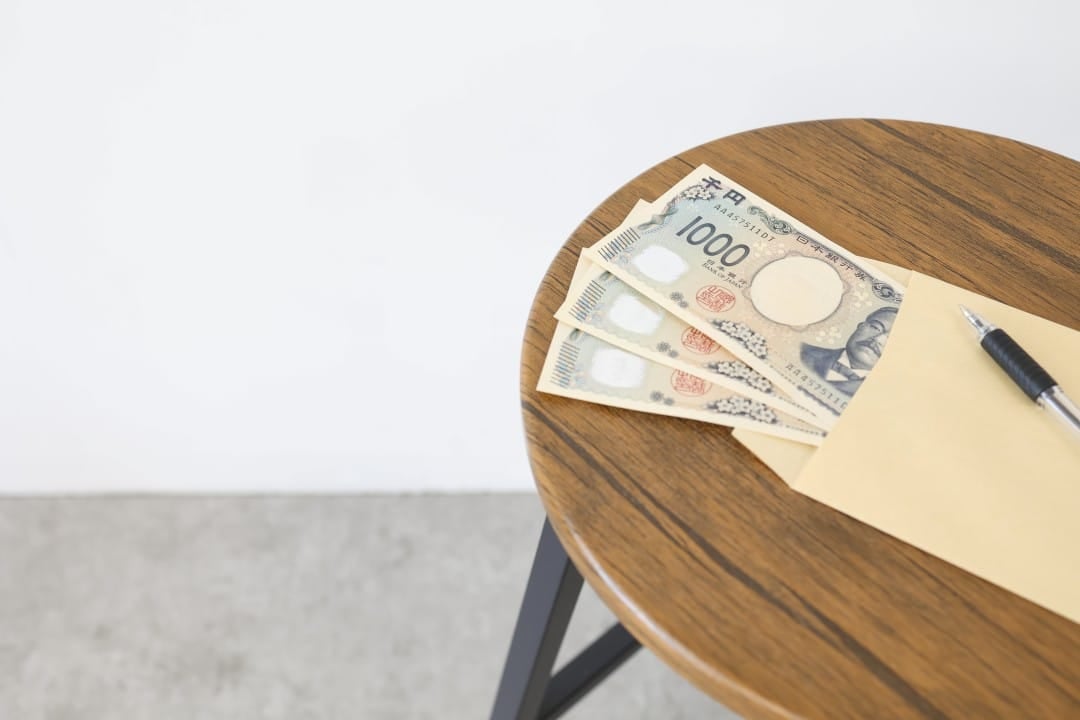
The Japão pension system is preparing for adjustments in 2026, with revisions to pension amounts and other social benefits that impact millions of citizens and foreign residents. The annual changes, based on economic indicators such as inflation and average wages, aim to guarantee the sustainability of the system in the face of population aging and maintain the purchasing power of beneficiaries. The Japanese government remains committed to ensuring financial stability for the elderly, people with disabilities and dependents.
The payment structure, managed by Japan Pension Service, continues to operate on a bimonthly basis, with deposits scheduled for even-numbered months. Todos residents of the country aged between 20 and 59 are required to contribute to the Plano Nacional of Pensão (Kokumin Nenkin), which forms the basis of the social security system. Para the year 2026, the values are expected to reflect the country’s new economic realities, following the tradition of annual readjustments.
Eligibility to receive the full age pension remains linked to meeting specific requirements, such as a minimum age of 65 and a contribution period of at least 10 years. Estrangeiros with long-term residence status are equally included in the system and have the same rights and duties as Japanese citizens, being a fundamental pillar of the country’s social integration policy. Acordos bilateral agreements with several nations, including Brasil, allow the sum of contribution times to facilitate access to benefits.
Main types of pension in the Japanese system
The Japanese pension system is made up of different types of benefits to suit different situations. The best known is Pensão Básica for Idade (Rorei Kiso Nenkin), aimed at individuals who reach 65 years of age and have completed the minimum contribution period. The full amount is awarded to those who have contributed for 40 uninterrupted years, while proportional payments are calculated for shorter periods, as long as the minimum of 10 years is reached.
In addition to retirement by age, the system offers Pensão for Invalidez (Shogai Kiso Nenkin), granted to taxpayers who acquire a grade 1 or 2 disability. The values are adjusted according to the severity of the condition and may include additions for dependents. Outro crucial benefit is the Pensão for Sobreviventes (Izoku Kiso Nenkin), paid to the spouse or dependent children of a deceased taxpayer, guaranteeing financial support for the family.
Eligibility criteria for citizens and foreigners
To access Japanese social security benefits in 2026, the main rule remains proof of at least 10 years of contributions. Este period, known as the qualification period, is valid for both Japanese citizens and foreign residents with long-stay visas. The measure aims to ensure that only individuals with a significant contributory link to the system can benefit from payments in old age.
The social security agreements that Japão maintains with more than 20 countries are essential for the foreign community. Esses treaties allow the contribution time in both countries to be added to reach the minimum of 10 years. Dessa way, a Brazilian worker who contributed for five years in Japão and five years in Brasil may be eligible to receive the Japanese pension, proportional to the period contributed locally.
For foreigners who contributed for a short period (minimum of six months) and do not intend to retire at Japão, there is the option of Reembolso of Contribuição (Daitai Ichijikin). When leaving the country permanently, it is possible to request the return of part of the amounts paid, a mechanism that offers compensation to those who will not complete the time required for retirement.
Projections of values and contributions for 2026
The exact benefit values for 2026 will be officially released by the Japanese government at the beginning of the corresponding fiscal year, but the projections follow the annual adjustment methodology. Como reference, in fiscal year 2025, the full basic pension for 40 years of contribution was set at approximately 831,700 yen per year. Espera This value is corrected based on the variation in inflation and the national average salary to preserve purchasing power.
The monthly contribution to Plano Nacional of Pensão is also adjusted annually. In 2025, the value was set at 17,510 yen. The forecast for 2026 is that there will be a slight increase, reflecting the system’s financing needs. For formal workers, the contribution is shared with the employer through the Kosei Nenkin system, which complements the basic pension and results in a higher final benefit.
Disability and survivor benefits also follow specific calculation tables that will be updated. For example, the grade 1 disability pension is calculated as 1.25 times the basic pension amount, with increases for dependent children. Esses values are essential for the financial planning of millions of families who depend on this social protection network.
Japan Pension Service annually sends contributors a detailed statement called “Nenkin Teikibin”, which provides contribution history and an estimate of the value of the future benefit. Este document is a fundamental tool for workers to check their situation and plan their next steps, ensuring that there are no inconsistencies in their records before applying for retirement.
The process for requesting and receiving payments
Requesting retirement in Japão is a process that must be initiated by the beneficiary himself upon completing the prerequisites, generally at age 65. The first step is to go to a local Japan Pension Service (Nenkin Jimusho) office or your city hall to submit the formal request. It is necessary to provide identification documents, a pension number (kiso nenkin bango) and Japanese bank account details to receive deposits. The process is designed to be straightforward, but requires attention to detail to avoid delays or bureaucratic issues that could delay the start of payments.
Once the request is approved, payments are made automatically and bimonthly, always on the 15th of February, April, June, August, October and December. Cada payment covers the previous two months. It is essential that beneficiaries keep their registration data, especially their address and banking information, always updated with the Japan Pension Service. Qualquer change must be communicated immediately to ensure continuity of receipt, as the system depends on the accuracy of this information to operate efficiently and avoid undue suspension of benefits.
Exemption mechanisms and additional contributions
Recognizing that not all residents can afford social security contributions on an ongoing basis, the Japanese system offers flexibility mechanisms. Indivíduos com baixa renda, desempregados, estudantes ou pessoas em licença maternidade podem solicitar isenção total ou parcial dos pagamentos mensais. The request must be made at the local city hall and, if approved, the exemption period still counts toward the minimum 10-year qualification period, although the final benefit amount will be reduced proportionally. Existe also has the option of retroactively paying exempt contributions within a period of up to 10 years to recover the full amount of the pension. Além In addition, for those who have not reached 40 years of contributions by the time they reach 60, it is possible to make voluntary contributions (Nin’i
Complementary benefits to the pension system
The Japão social security system goes beyond retirement and includes essential complementary programs. Todos residents aged 40 and over are required to contribute to the Seguro of Cuidados of Longo Prazo (Kaigo Este benefício é fundamental para garantir qualidade de vida e dignidade na velhice, cobrindo desde cuidados domiciliares até internação em instituições especializadas, aliviando o peso financeiro sobre as famílias e complementando o suporte oferecido pela pensão.
