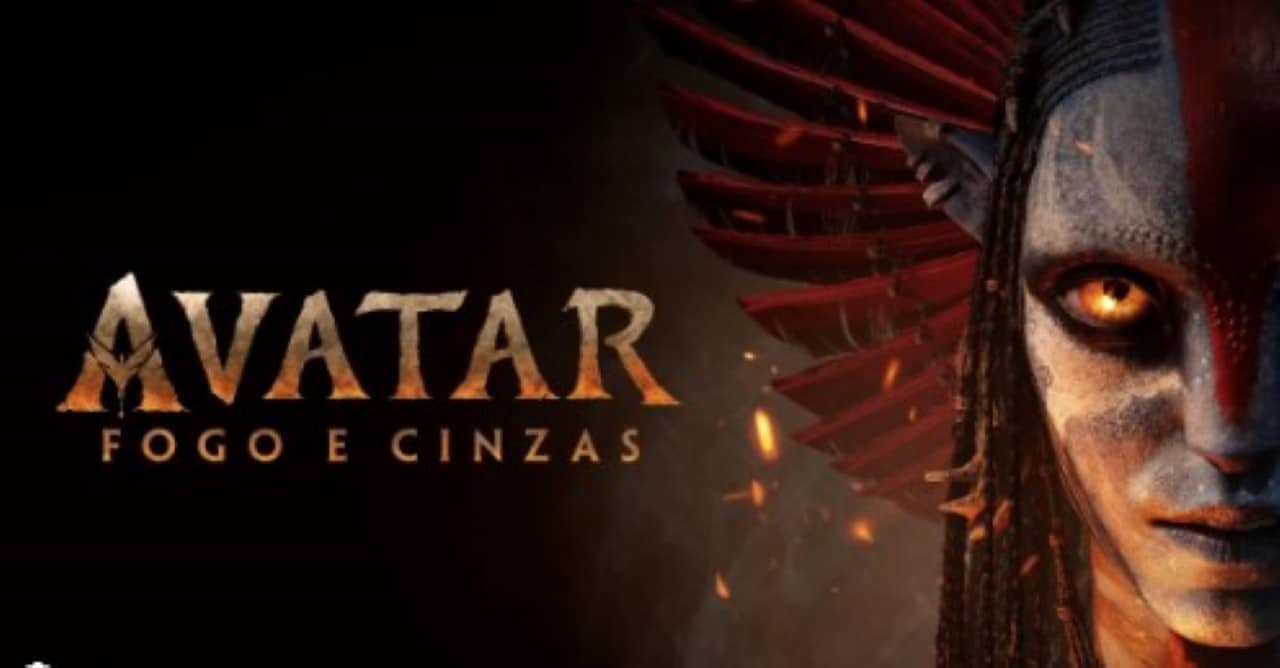
The long-awaited third chapter of the James Cameron saga, “Avatar: Fire and Ash”, arrived in theaters on December 19, 2025, expanding the universe of Embora universally praised for its technical advances and stunning visuals, the film faces notes on a narrative that uses formulas already explored in previous films. The production continues the journey of Jake Sully and his family, who now need to confront new threats and forge unexpected alliances.
With an extensive running time of approximately three hours and 17 minutes, the film immerses the viewer in new biomes on the planet, introducing the fearsome Na’vi fire clan, known as the Povo of the Cinzas. Liderados by the ruthless Varang, they represent an internal antagonistic force in Pandora, complicating the already bitter conflict against the human invaders of the GDR (Resources
The central plot picks up the events after “The Caminho of Água”, with the Sully family still dealing with grief over the loss of Neteyam. Jake, once again played by Sam Worthington, takes on the stance of a unifying leader, seeking support from different Na’vi tribes to build a cohesive resistance front. By his side, Neytiri, played by Zoe Saldaña, continues to be the emotional and moral heart of the family, facing difficult decisions to protect his family.
The visual expansion of Pandora
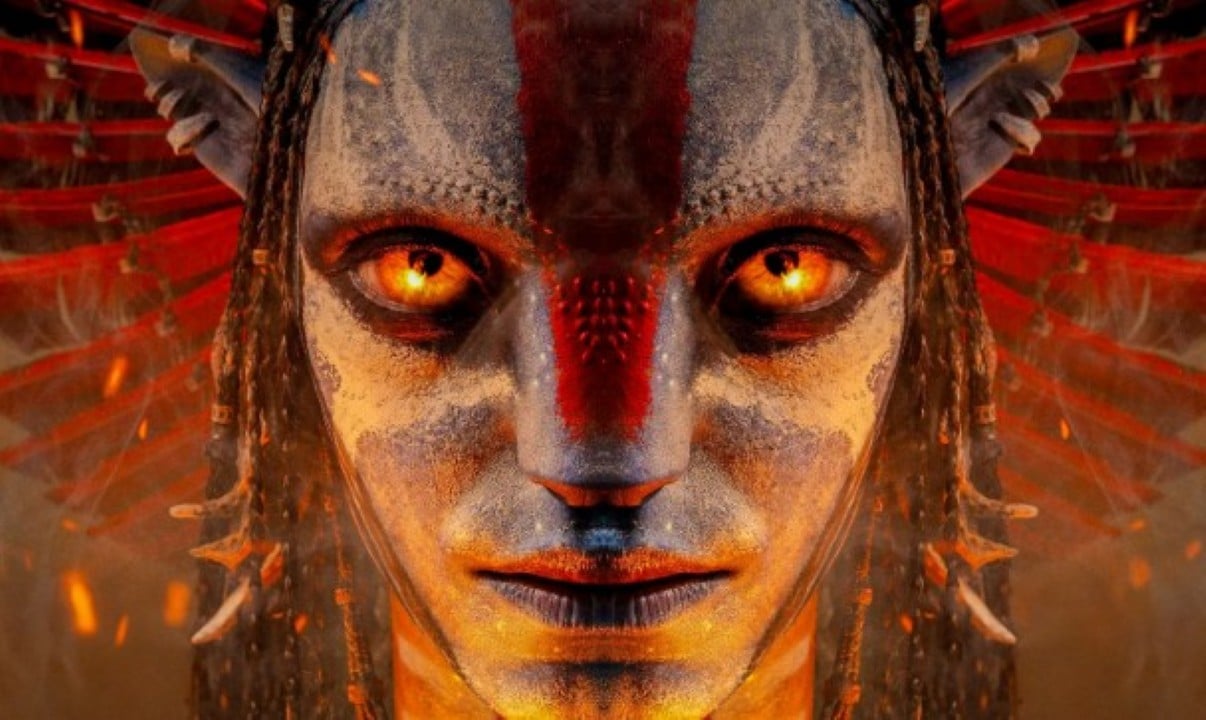
In keeping with the franchise’s tradition of innovation, “Avatar: Fire and Ash” raises the standard of visual effects to a new level. James Cameron and his team at Weta FX have advanced motion capture and 3D rendering technologies, delivering a level of realism and immersion that especially shines in big-screen formats like IMAX. The action sequences, especially those involving aerial battles with the winged creatures of Pandora, are choreographed with impressive fluidity, exploring the verticality of the scenarios in a grand way. The big visual novelty is the introduction of volcanic regions, an environment of fire and ash that contrasts drastically with the bioluminescent forests and crystalline oceans seen previously. Essa’s new landscape allows for a warm, dark color palette, with lava rivers and soot-covered skies, creating an oppressive and visually striking atmosphere that reflects the hostile nature of Povo’s Cinzas. The design of this new clan, with aesthetic influences that refer to warrior cultures, and the complex lighting of these environments, demonstrate meticulous care in the construction of the universe, reinforcing Cameron’s reputation as a technical visionary.
Family narrative and character arcs
At the center of the story, the development of the Sully family remains the emotional pillar. The script delves into the internal conflicts of each member, exploring the consequences of past events. Kiri, played by Sigourney Weaver, deepens her mysterious and powerful spiritual connection with Eywa, the life force of Pandora, becoming a key figure in the planet’s destiny. Enquanto That’s it, Lo’ak (Britain Sua’s coming-of-age journey is one of the film’s most significant arcs, showing his evolution from an impulsive young man to a potential leader.
The character Spider (Jack Champion), the human boy raised among the Na’vi, gains even more prominence, serving as a complex bridge between the two worlds. Sua’s troubled relationship with his biological father, the avatar of Coronel Miles Quaritch (Stephen Lang), generates constant tensions and moral dilemmas that directly affect the dynamics of the Sully family. Neytiri, in turn, undergoes a remarkable evolution as she is forced to confront her own prejudices toward Spider and others who do not share Na’vi blood. Esses narrative arcs reinforce the universal themes of belonging, loyalty and the bonds that define family, whether by blood or choice, offering a solid foundation for the spectacular action that unfolds on screen.
The Clan of Ashes and the New Alliance of Villains
The main narrative novelty of “Fire and Ash” is the introduction of the Povo of the Cinzas, a Na’vi clan that lives in the arid and hostile volcanic lands of Pandora. Diferente Of the other tribes that live in harmony with Eywa, this group is presented as more aggressive and pragmatic, with a worldview shaped by survival in an inhospitable environment.
Their leader, Varang, played with intensity by Oona Chaplin, is an imposing and strategic figure who sees humans not just as invaders, but as an opportunity. Ela sees the RDA’s firepower as a tool to expand its dominance over other Na’vi clans, which it considers weak.
This perspective leads to an unprecedented and dangerous alliance with the Coronel Quaritch. The antagonist, now more adapted to his avatar form, exploits this partnership to advance human goals of conquest, creating an internal threat that the Na’vi have never faced before. The joining of forces between human technology and the ferocity of a renegade Na’vi clan raises the level of conflict, forcing Jake Sully to deal with a war on two fronts.
Reactions from specialized critics
Since its debut, critical reception for “Avatar: Fire and Ash” has been polarized. Há a consensus on the technical mastery of production. Analistas and journalists from around the world highlight that the film is a must-see visual spectacle on the biggest screen possible, praising the production design, special effects and large-scale battle scenes as unquestionable highlights.
However, the script became the main point of contention. Muitos critics point out that, despite the expansion of the universe, the plot structure is excessively similar to that of the previous films. Criticisms mention the repetition of themes and narrative arcs, with a plot considered predictable and which would not justify the film’s long duration for some.
This duality is reflected in the ratings of review aggregators, which show a mixed assessment. Enquanto part of the public and critics value the immersion and continuity of the saga, another expresses a certain tiredness with the formula, expecting a narrative innovation that would match the visual innovation.
Despite the caveats, the franchise’s environmentalist and anti-colonialist message remains a strong point, with Pandora serving as a powerful metaphor for the exploitation of natural resources and the resistance of native peoples. The production reinforces Cameron’s vision of the need to protect the environment, a topic that remains relevant and impactful.
Production details and cast
The main cast returns to continue their roles. Sam Worthington and Zoe Saldaña once again deliver solid performances as Jake and The addition of Oona Chaplin as Varang was praised for bringing a new, charismatic antagonist to the saga. Atores as Kate Winslet and Cliff Curtis also reprise their roles as leaders of the aquatic clan Metkayina, reinforcing the alliances formed in the previous film.
The soundtrack, composed by Simon Franglen, who took over the legacy of James Horner, complements the grandeur of the images with epic and emotional themes. Além In addition, the film features an original song performed by the artist Miley Cyrus, which plays during the final credits. Cameron’s decision to film parts of the third and fourth films simultaneously with “The Caminho of Água” ensured visual consistency and allowed for a more efficient production flow, avoiding long gaps between releases.
The continuity of the franchise
The release of “Avatar: Fire and Ash” comes just three years after “The Caminho of Essa proximity allowed the audience to remain engaged with the story and characters. While technical advances are notable, they are seen more as an evolution than the revolution that the first film represented in 2009. The narrative echoes familiar structures, focusing on the cycle of threat, unity and confrontation.
The film expands the mythology of Pandora considerably, introducing new creatures adapted to volcanic environments and delving deeper into the politics between the clans. The final battles, although spectacular, are reminiscent in scale and structure of the decisive confrontations in the previous films, which fuels the debate between visual innovation and thematic repetition. The commercial performance of this third chapter is seen as crucial in determining the future of the sequels already planned by James Cameron, who intends to continue exploring new corners of Pandora.
Reinforced core themes
The work strongly reinforces criticisms of colonialism and the unbridled exploitation of natural resources. Humans’ persistence in extracting valuable unobtanium serves as the engine for conflict, while the Na’vi embody the defense of a way of life in harmony with nature. The film further delves into discussions about grief, resilience and the complexity of interspecies relationships, consolidating the elements that connect this chapter to its predecessors and maintaining the epic tone characteristic of its director’s vision.
