Iranian authorities appear to be exercising an unusual degree of restraint in their response to recent widespread mass protests across the country, a notable shift observed by international monitors and analysts. This cautious strategy by Tehran emerges amidst escalating internal dissent, signaling a potential reevaluation of traditional crackdowns. The subdued official reaction stands in stark contrast to historical patterns of forceful suppression and could have significant geopolitical underpinnings.
The context surrounding these current protests, characterized by significant public discontent over various socioeconomic and political issues, has drawn considerable international attention. While the scale and specific triggers of the demonstrations vary, their underlying message signals deep-seated challenges for the Iranian administration. The ongoing unrest presents a complex dilemma for leadership striving to maintain stability.

Several factors could contribute to this apparent governmental hesitation, reflecting a complex interplay of domestic pressure and external considerations. This nuanced approach suggests a calculated effort to navigate both internal unrest and international scrutiny without exacerbating tensions.
Unprecedented restraint observed
A noticeable reduction in the overt use of force by Iranian security forces against demonstrators has been widely reported by international news outlets and human rights organizations. This deviation from previous crackdowns highlights a potential reevaluation of tactics by the authorities, aiming to de-escalate tensions rather than provoke further confrontation. The absence of widespread arrests and violent clashes, compared to past incidents, marks a significant departure.
Observers note a deliberate attempt to avoid widespread violence, a strategy that could be directly linked to a desire to control the international narrative and mitigate potential foreign condemnation. The government’s actions suggest a calculated effort to manage the protests without resorting to extreme measures that could invite global backlash.
Former president’s warning echoes
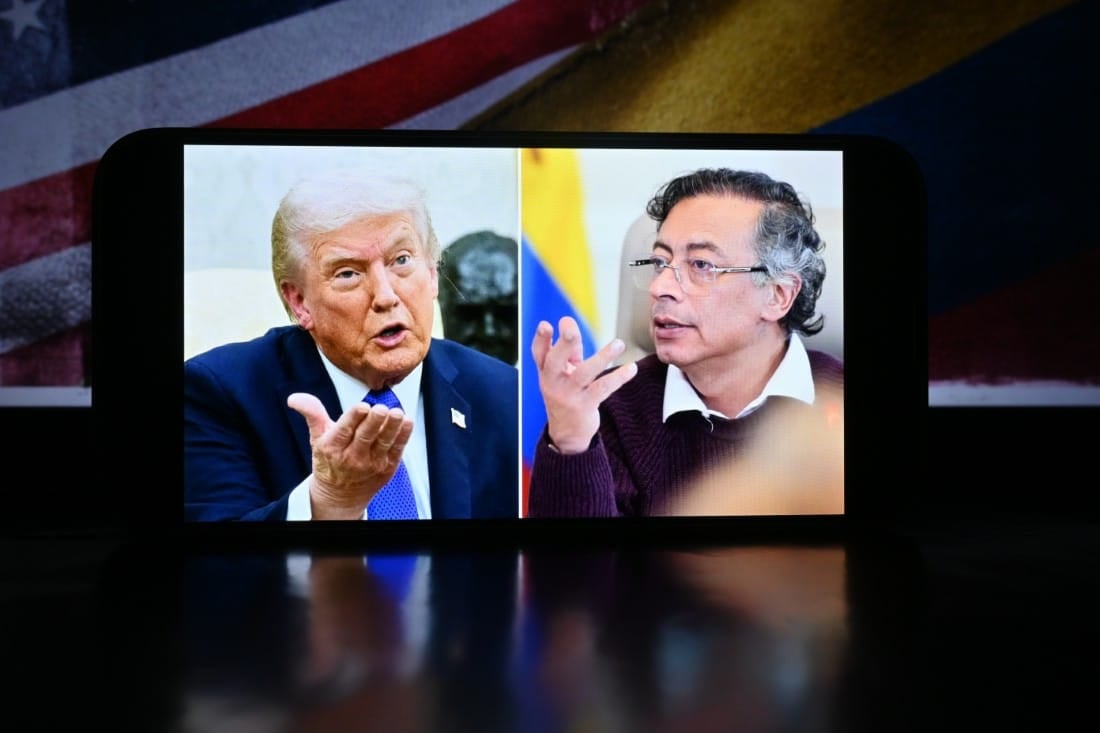
The looming specter of former US President Donald Trump’s past threats to intervene in Iranian affairs continues to cast a long shadow over Tehran’s domestic policy calculations. His explicit warnings during previous periods of unrest, though from a past administration, remain a significant consideration for current Iranian leadership, influencing their immediate responses. The memory of these strong declarations serves as a deterrent.
These prior declarations by Trump explicitly indicated a willingness to support Iranian demonstrators and condemn the regime’s repressive actions. Such statements signaled a heightened risk of international involvement should the Iranian state engage in severe crackdowns, adding an external layer of pressure that the current government cannot ignore in 2025.
Geopolitical implications for Tehran
Tehran is acutely aware of the delicate geopolitical balance, particularly concerning its relationship with major global powers and regional adversaries. Any heavy-handed response to internal protests could easily be leveraged by international critics and rival states on the world stage, potentially leading to renewed sanctions or diplomatic isolation. The leadership must tread carefully to avoid self-inflicted damage.
The current administration, navigating a complex web of regional rivalries and sensitive nuclear negotiations, likely seeks to avoid providing any pretext for increased international pressure. Maintaining a degree of stability and avoiding overt human rights abuses becomes a strategic imperative to preserve its standing.
Domestic political calculations at play
Internally, the Iranian leadership may also be weighing the potential for significant backlash from its own populace, extending beyond the immediate protests. Brutal suppression, while historically effective in the short term, often fuels greater resentment and can lead to more organized and sustained opposition movements in the long run. This cycle of violence and escalation is a lesson learned from past events.
The government might be attempting to defuse the situation through less confrontational means, hoping that the protests will naturally dissipate or that carefully managed concessions can be made without appearing weak. This approach suggests a nuanced understanding of public sentiment and its potential to escalate rapidly if mishandled.
The leadership faces the challenge of addressing legitimate grievances while upholding its authority, a balance that requires delicate political maneuvering. Overly aggressive tactics could quickly galvanize broader segments of society against the regime.
Furthermore, internal divisions within the ruling elite might also contribute to a more cautious approach, as different factions may advocate for varying strategies to manage dissent. This internal debate could result in a less unified and more measured response compared to previous periods of unrest.
Economic strain exacerbates discontent
Iran’s economy remains under severe pressure from a combination of international sanctions and persistent domestic mismanagement, which are significant drivers of ongoing public discontent. The protests are often rooted in deep economic grievances, including high inflation, widespread unemployment, and allegations of systemic corruption. Citizens are increasingly vocal about their struggles.
The government faces the difficult task of addressing these underlying economic issues while simultaneously managing public demonstrations without resorting to further destabilizing measures. A harsh response could further erode investor confidence and alienate a population already struggling with daily hardships and financial insecurity.
Economic indicators continue to show the strain, with rising living costs disproportionately affecting lower and middle-income families, thereby fueling the widespread frustration. This persistent economic hardship provides fertile ground for continuous protests, making a purely suppressive response unsustainable.
The interplay between economic hardship and political unrest creates a complex challenge, where addressing one often necessitates careful consideration of the other. Authorities recognize that economic stability is crucial for long-term social peace.
Regional stability concerns
Beyond domestic borders, Iran plays a critical role in regional stability, involving ongoing proxy conflicts and complex diplomatic engagements across the Middle East. The leadership must consider how internal unrest and its subsequent response could impact these broader regional dynamics. Any misstep could have cascading effects.
An overly aggressive crackdown might embolden regional rivals or destabilize sensitive areas, complicating Iran’s strategic objectives and alliances in the Middle East. Therefore, a restrained approach could be a calculated move to preserve regional influence and minimize external interference.
Future of protests remains uncertain
Despite the observed restraint, the long-term trajectory of these protests remains uncertain, with the underlying causes of public dissatisfaction persisting. This suggests that while immediate suppression might be avoided, the potential for future demonstrations and renewed unrest remains notably high across various urban centers.
The ongoing vigilance of international bodies and human rights organizations, coupled with the memory of past foreign warnings, will likely continue to influence how Iranian authorities navigate these challenging internal dynamics. The balance between maintaining order and avoiding further international scrutiny is a precarious one, demanding continuous reassessment.
**
