O Museum of the Ciencia and the Cosmos (MCC), managed by Cabildo of Tenerife, hosts this Wednesday, January 14, at 4:15 pm (Canárias local time), the conference “El The session is taught by Alfred Rosenberg González, doctor in Astrofísica and scientific popularizer of Unidade of Comunicação and
The activity is part of the 2025–2026 edition of the course The course offers eight weekly sessions to children, between December 2025 and March 2026, with breaks during school holidays. Todas the sessions remain open to the general public free of charge, expanding access to scientific knowledge.
The island councilor of Cultura, Museos and Deportes, José Carlos Acha, invites the population to participate in the initiative. Ele highlights that actions like this allow us to understand Sistema Solar as a nearby natural laboratory, facilitating the study of essential phenomena to understand the rest of Universo.
Conference details and Sistema Solar components
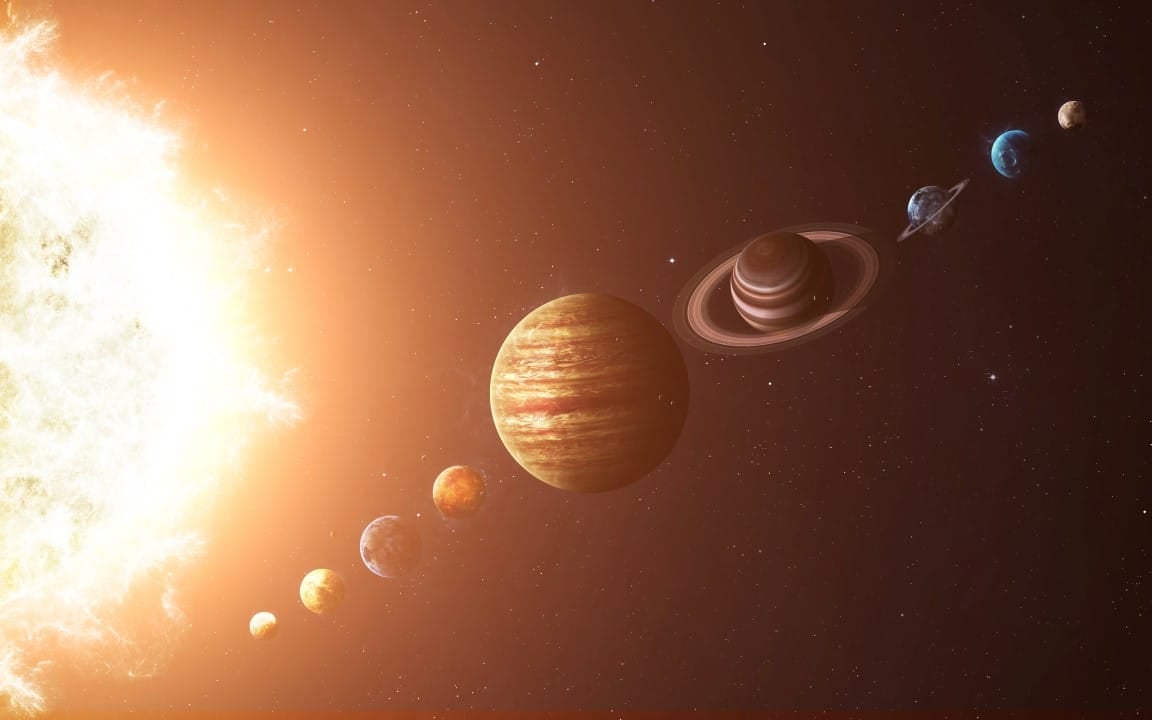
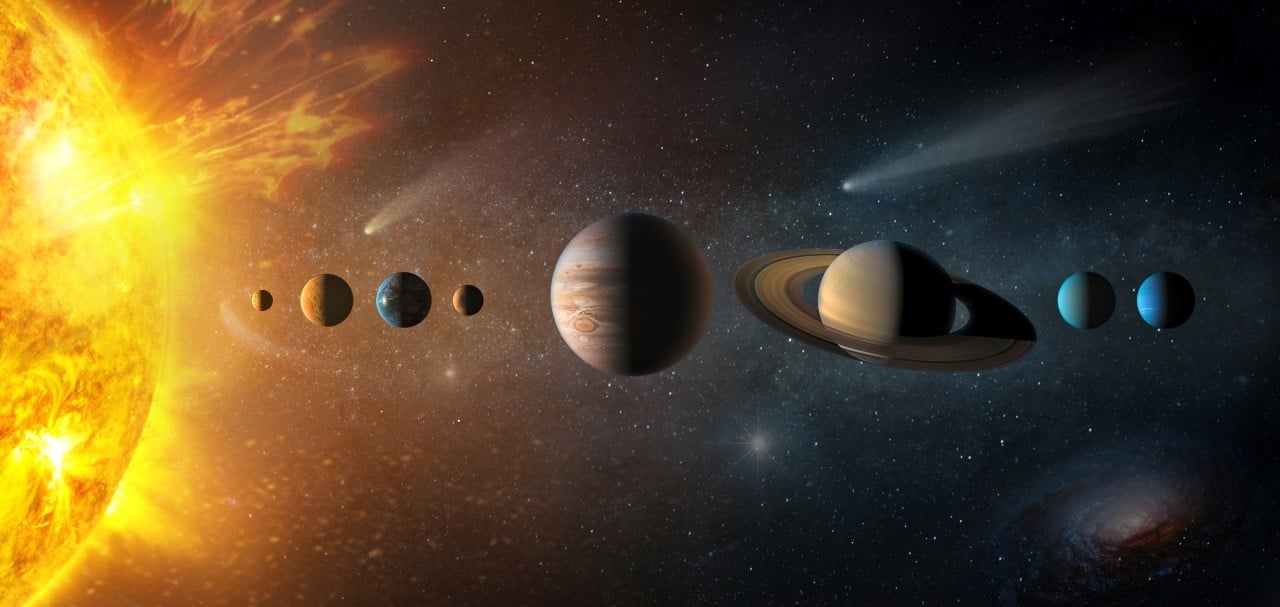
Alfred Rosenberg González leads a tour of the main elements of Sistema Solar. The presentation covers the central star, the eight planets, dwarf planets, natural satellites, asteroids and comets.
The speaker emphasizes how the detailed study of these objects contributes to expanding knowledge about the cosmos. Ele includes updated data and practical observations obtained through specialized instrumentation.
Upcoming eclipses of Sol and their relevance
The charla pays special attention to solar eclipses predicted for the coming years. The event of August 12, 2026, a total eclipse of Sol, stands out for its partial visibility in much of Canárias and total visibility in bands of Península Ibérica.
This phenomenon occurs at dusk, requiring clear visibility conditions to the west. Especialistas indicate that the duration of totality varies depending on location, with Sol at low altitude on the horizon.
The session also mentions the subsequent total eclipse on August 2, 2027, visible in regions south of Espanha and north of África, with greater coverage in the Canary archipelago.
These events represent unique opportunities for astronomical observation, combining scientific and cultural interest.
CosmoLab project and speaker’s trajectory
The conference is supported by the CosmoLab project, an initiative that transforms the Sistema Solar into an accessible laboratory for scientific dissemination. The project allows direct observations with its own equipment, including telescopes for imaging Sol, Lua and planets.
Alfred Rosenberg González has had a doctorate in Ele held the position of director of the MCC and created CosmoLab in 2018.
The specialist coordinates educational projects such as TeleAstronomía, SolarLab and others in partnership with the museum. Sua experience includes teacher training and workshops on astronomical observation.
Course structure Cosmoviaje 2.0
The Cosmoviaje 2.0 program addresses major challenges in contemporary astrophysics. The sessions feature experts from the IAC and Universidade of La Laguna.
The current edition reinforces MCC’s commitment to open scientific dissemination. Core funding comes from Cabildo of Tenerife, with additional support from other entities.
The event takes place at the MCC facilities in La Laguna, a space dedicated to promoting science and knowledge of Universo. Entry is free and does not require prior registration for the charlas.
