
Xiaomi announced an important update for users of its ecosystem, expanding access to premium photography resources. The camera effects developed in collaboration with the renowned German brand Leica, which were exclusive to the high-end model Xiaomi 17 Ultra, have been released for all devices that operate with the HyperOS system. The measure represents a significant step in the democratization of advanced imaging technologies.
Implemented in January, the update allows a base of millions of users, including owners of mid-range devices from the Redmi and Poco lines, to use professional-grade presets directly in the native camera application. Essa strategy aims to strengthen brand loyalty and consolidate HyperOS as a unified, feature-rich platform, eliminating the need to purchase the most expensive model to obtain a superior photography experience.
Available effects adjust complex parameters such as contrast, saturation, sharpness and white balance, simulating the characteristic visual aesthetics of Leica lenses. The expansion covers specific styles for different scenarios, such as portraits and landscapes, which were previously restricted to the flagship launched at the end of the previous year, offering sophisticated results in everyday captures.
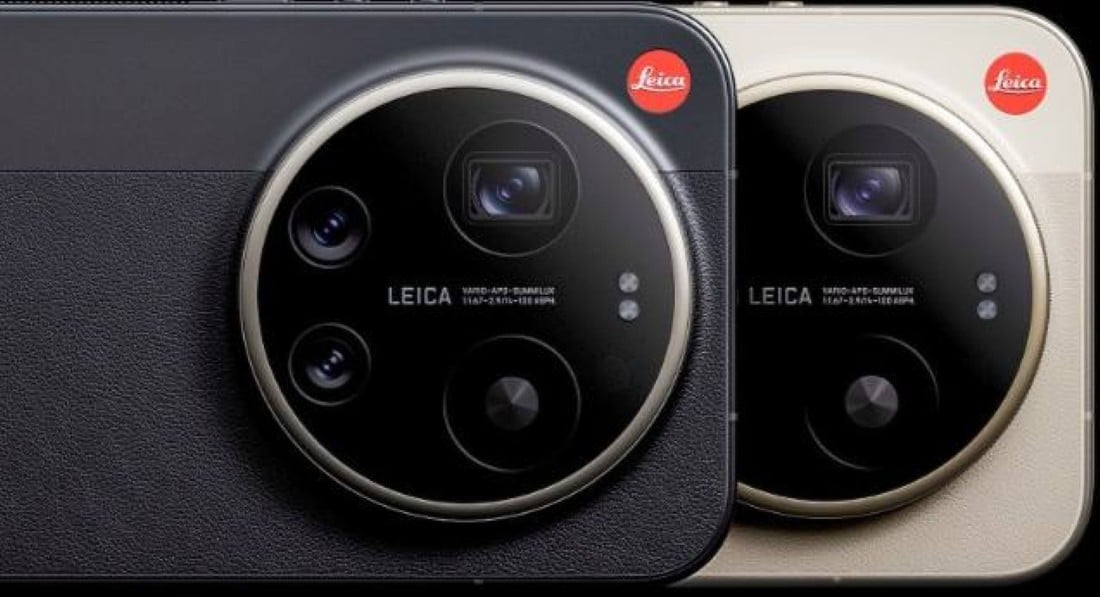
The collaboration between Xiaomi and Leica gains a new chapter
The partnership between the Chinese technology giant and the iconic German camera manufacturer Leica is not new, but it reaches a new level with this initiative. The collaboration, which began with incorporating lenses and optical optimizations into premium models such as the Summilux lenses in the Xiaomi 17 Ultra, now extends to software more comprehensively. Essa synergy has resulted in images with improved color fidelity, superior control of chromatic aberrations, and a depth that approaches that of dedicated cameras, setting a new standard for mobile photography.
The decision to share some of this technology with a broader user base reflects a well-defined market strategy. Instead of restricting the best features to the most expensive devices, Xiaomi seeks to create a more cohesive and attractive ecosystem. HyperOS acts as the central pillar of this strategy, functioning as a unified platform that connects smartphones, tablets and other branded devices, offering a consistent user experience and valuing each product within the company’s portfolio, regardless of price range.
How new effects work in HyperOS
It is essential to understand that the released presets are not simple superficial filters, like those found in photo editing applications. Eles act at a deep level of the device’s image processing, modifying complex algorithms that control everything from the interpretation of raw sensor data to the final rendering of the photograph. Essa integration requires exclusive compatibility with the HyperOS architecture to ensure full functioning and obtaining the expected results.
Importing effect packages is simplified, generally by reading QR codes or downloading specific files available on official channels and enthusiast communities. Once installed, the new styles are integrated directly into the native camera app’s Pro mode, appearing as quick-access options next to the shutter button, labeled C1, C2, and so on, making them easier to use on a daily basis.
The first reports from users who carried out the installation are extremely positive, highlighting the immediate improvement in the quality of landscape and portrait photographs. The precision of the adjustments maintains the characteristics that define the Leica’s visual signature, such as natural skin tones, smooth transitions between areas of light and shadow, and a clarity that does not sacrifice the atmosphere of the captured scene.
Detailed step-by-step instructions for installing the presets
The process of activating the Leica effects is designed to be quick and intuitive, taking just a few minutes. The first step for the user is to obtain the official files or scan the import codes that are released by reliable sources in the Xiaomi community. It is important to ensure that files come from secure channels to avoid compatibility or security issues on the device.
After downloading, the compressed files need to be extracted to an easily accessible folder on the smartphone’s internal memory. Next, the user must open the native HyperOS camera app and navigate to Pro mode, which offers access to advanced photography settings. Este mode is the environment where new presets will be managed and applied.
Within the Pro mode interface, you need to locate the preset management icon, usually represented by four squares or a similar option in the settings menu. When you tap this option, the “Import” functionality will appear. The user must then select this function and navigate to the folder where the files were previously extracted, selecting them to complete the import.
Once the operation is confirmed, the new Leica styles will instantly appear in the list of presets available for use. In some distributed packages, it may be necessary to enter a password to unzip the files, such as “Lv31”, according to published guidelines. Vale note that older devices, even with HyperOS, may have partial support depending on the limitations of their image processing hardware.
Benefits for different usage scenarios
The styles released have been carefully designed to meet a variety of photography needs. The “Sunset
For night photography or in low-light conditions, “Clear
Compatible devices and update scope
The scope of HyperOS is vast, being present in a wide range of Xiaomi models launched in recent years. Embora flagships such as the Xiaomi 15 and 14
The update does not require a specific system version beyond the HyperOS base, which simplifies the process for users. Compatibility is shared between global and Chinese models, expanding the reach of the new product to international markets, including Brasil, Europa and Ásia, where users already report activation without difficulties.
Impact on everyday photography experience
The release of these features fundamentally transforms the image capture routine on Xiaomi devices, adding a layer of professionalism without the need for technical post-editing knowledge. Para the average user, this translates into a significant saving of time and the ability to produce photos with high aesthetic quality instantly. Native camera app integration also offers performance advantages, avoiding the battery and system resource drain associated with using third-party apps. Initial tests indicate that effects processing is fast and efficient, even on devices with intermediate hardware. The brand’s community of enthusiasts is already sharing impressive results on social media, which not only validates the quality of the presets, but also encourages brand loyalty by offering premium features for free, strengthening the sense of belonging to the Xiaomi ecosystem.
Technical details of Leica adjustments
Each preset operates at deep levels of the smartphone’s image post-processing pipeline. The white balance, for example, receives precise calibration to maintain fidelity to the colors of the real scene, avoiding unwanted tones. Sharpness is variably adjusted, allowing everything from creating well-defined edges in architectural photos to artistic softening in portraits. Contrast is controlled to prevent loss of detail in areas of highlights or deep shadows, ensuring a balanced dynamic range. The partnership ensures that all these parameters follow the Leica optical philosophy, resulting in images that approach the quality of dedicated cameras in controlled scenarios.
