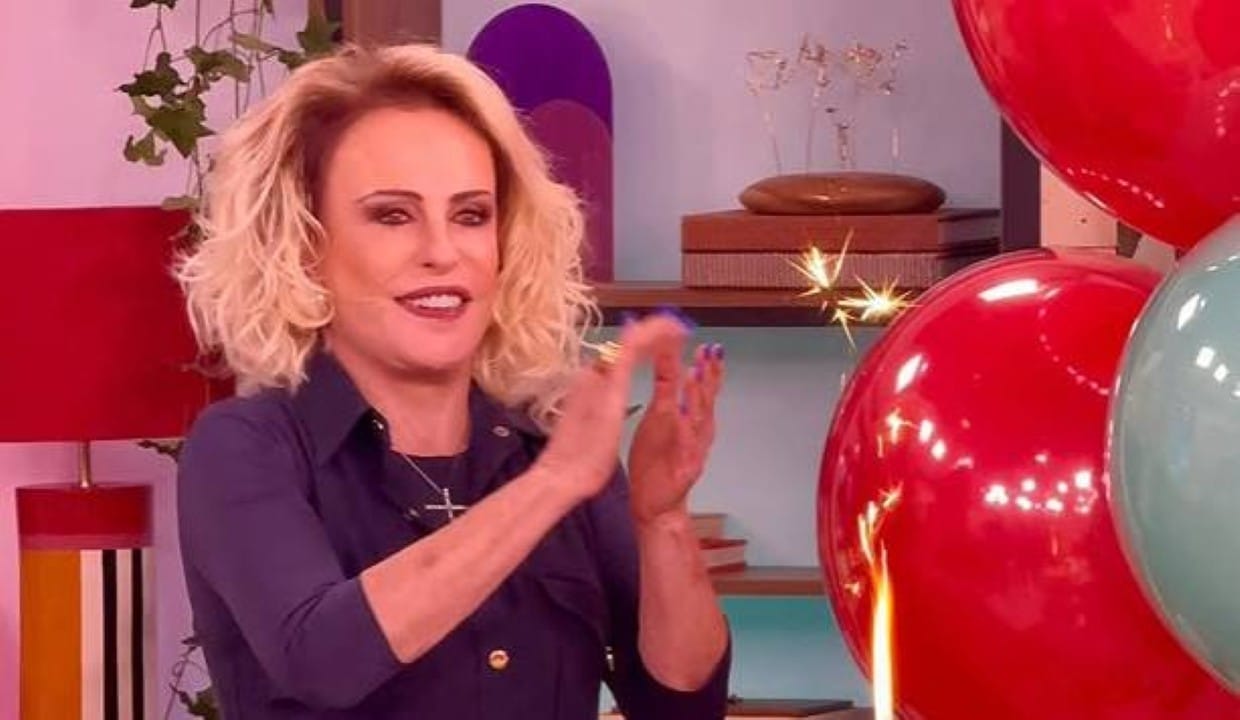
Veteran Brazilian television host Ana Maria Braga, 76, commenced her program on Monday, January 19, 2026, with a clear display of relief regarding the recent departure of former Big Brother Brasil 26 participant, Pedro Espíndola. Espíndola voluntarily exited the reality competition on Sunday night, January 18, 2026, by pressing the desistance button.
His abrupt departure came amid controversy after he attempted to force a kiss on fellow housemate Jordana, an action that would typically constitute a violation of program rules and lead to immediate expulsion. Braga’s opening remarks indicated a distinct satisfaction at not being obligated to host Espíndola for the traditional post-elimination breakfast interview.

The host has a well-established reputation for conducting direct and often challenging interviews with former contestants, making her public disinterest in this particular segment noteworthy. Her sentiment reflected a broader consensus regarding the severity of Pedro’s actions within the show’s environment.
A host’s candid relief
Ana Maria Braga initiated her show with a pointed “thought of the day” that viewers quickly connected to Pedro’s past confessions. She remarked, “They say loving your ex is a sin. Do you know why? Because God said to love your neighbor, not your previous one.” This was widely interpreted as a direct reference to Pedro’s repeated recounting during his participation that he had betrayed his pregnant wife.
Following this, the presenter articulated her personal sentiment regarding his absence. “And you know what? I start the week with a cleansed soul, rinsed, relieved to know that I will not have the displeasure of interviewing Pedro on my breakfast with the eliminated contestant,” she stated emphatically, underscoring the gravity of the situation.
Pedro’s controversial departure
Pedro Espíndola’s decision to press the desistance button preempted a likely expulsion from the Big Brother Brasil house. His attempt to force a kiss on Jordana was a clear breach of the show’s code of conduct, which explicitly prohibits any form of harassment or non-consensual physical interaction. The program’s production typically enforces a strict zero-tolerance policy for such behavior.
Had Espíndola not chosen to abandon the competition, the production team would have been compelled to intervene and remove him, potentially facing public scrutiny if they had not. His voluntary exit, therefore, spared the show the immediate need for a disciplinary expulsion, though it did not diminish the controversy surrounding his actions.
Past revelations and public perception
Throughout his brief tenure on BBB 26, Pedro Espíndola gained notoriety for candidly sharing details of his personal life, notably confessing to infidelity against his pregnant spouse. These revelations garnered significant negative attention from both the housemates and the viewing public, shaping a perception of his character that preceded his final incident.
Braga’s “thought of the day” served to subtly reinforce this existing public sentiment, aligning her show’s narrative with the audience’s disapproval of his past actions. Her subsequent direct statement about avoiding the interview highlighted a confluence of the housemate’s problematic behavior and the host’s ethical stance. The collective reaction on social media platforms indicated widespread agreement with Braga’s position.
The implications of the “desistance button”
The “desistance button” is a feature unique to Big Brother Brasil, offering contestants a direct, immediate, and voluntary exit from the game at any point. While it grants participants agency to leave on their own terms, it also carries the consequence of forfeiting any potential prizes or opportunities associated with the show. In Pedro’s case, pressing the button allowed him to bypass the formal process of an expulsion, which would have been initiated by the production team following his actions toward Jordana. This mechanism, while designed for personal choice, effectively served as a means to mitigate further scandal for the program by allowing a self-removal rather than a forced one, shifting the narrative slightly from disciplinary action to personal withdrawal.
Ana Maria’s history of direct interviews
Ana Maria Braga is renowned for her candid and often probing interviews with Big Brother Brasil eliminees, frequently challenging them on their in-house behavior and controversial statements. Her segment, “Café da Manhã com o Eliminado,” is a highly anticipated part of the post-show experience, where contestants confront public opinion and their own actions.
For Braga to openly express relief at *not* having to conduct an interview is a powerful statement, indicative of the severity of Pedro’s actions and the discomfort it would have caused. It suggests that his behavior transcended mere game strategy, entering a realm of ethical conduct that even a seasoned interviewer found reprehensible.
Reality TV’s stance on conduct
Reality television programs like Big Brother Brasil operate under strict guidelines regarding participant conduct, particularly concerning issues of consent and interpersonal respect. The production explicitly outlines rules against harassment, aggression, and any non-consensual physical contact. These rules are crucial for maintaining a safe environment for participants and upholding the show’s ethical standards.
Braga concluded her remarks by concurring with the show’s implied stance on sexual importunation, stating that such behavior is “inadmissible.” She reinforced that, had Pedro not chosen to desist, he “should have been expelled,” aligning her view with the imperative for strict adherence to respectful conduct within the competition.
Broader discussion on participant accountability
The incident involving Pedro and Jordana, coupled with Ana Maria Braga’s strong public reaction, has reignited discussions surrounding participant accountability on reality television. It underscores the expectation from both the public and program hosts that contestants adhere to fundamental ethical standards, irrespective of the competitive environment. Such events consistently draw attention to the responsibilities of both participants and show producers in upholding a standard of respect and safety.
