
Toyota officially revealed the sixth generation of the RAV4, its most successful SUV globally, marking a significant strategic shift for the model. The main novelty is the complete abandonment of exclusively combustion engines, with all versions now equipped with hybrid propulsion systems. The initial launch is scheduled for the Japão in December 2025, with arrival in other markets over the following months.
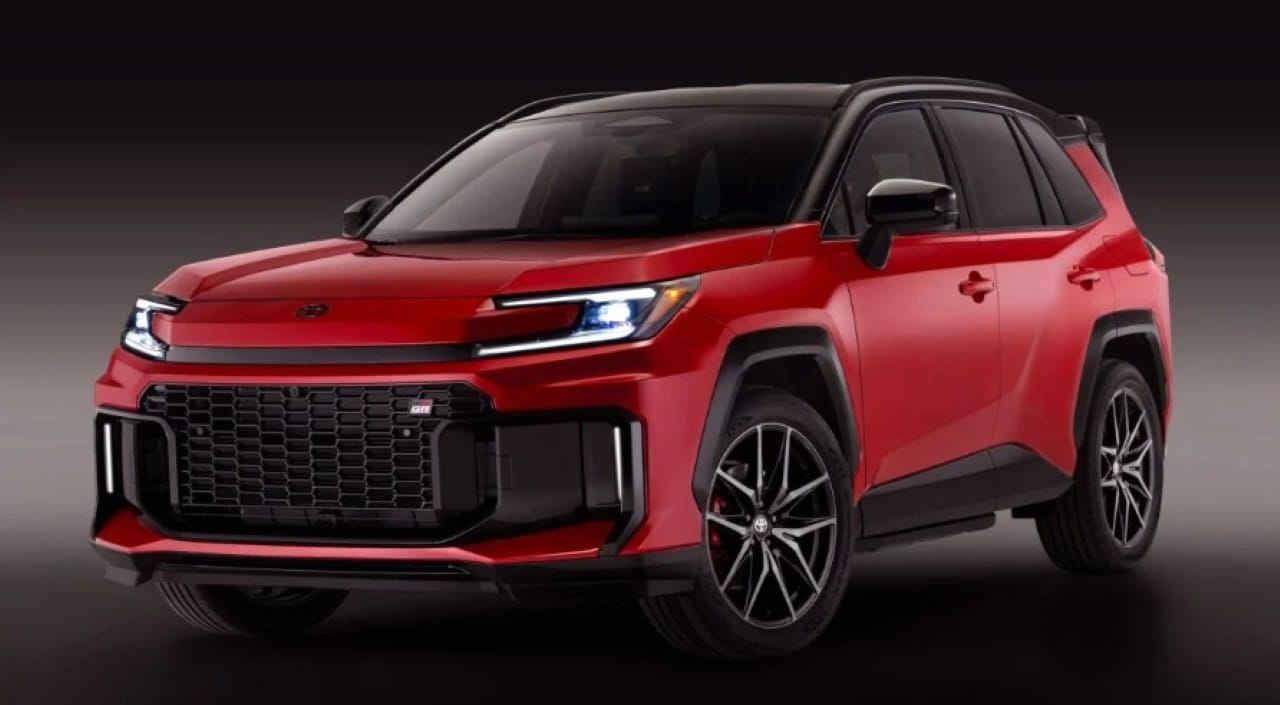
The new RAV4 adopts the brand’s latest design language, characterized by a “hammerhead” style front end, which gives it a more modern and robust appearance. Essa visual identity is already seen in other recent launches by Toyota and aligns the SUV with the automaker’s current aesthetics, reinforcing its presence on the streets.
In addition to changes to the powertrain and appearance, the vehicle incorporates important technological updates, including a new multimedia system with capability for remote updates (over-the-air). Unidades of the new model have already been spotted testing at Brasil, indicating that the launch in the country should take place in the first half of 2026, possibly with adaptations for hybrid flex technology.
]
Completely redesigned exterior design
The visual identity of the new RAV4 is one of its strongest points, marked by the “hammer head” front end. Este concept integrates thinner LED headlights and a front grille that merges into the bumper, replacing the more angular style of the previous generation with more fluid and contemporary lines. Apesar of modernization, the Toyota maintained essential elements of an SUV, such as high ground clearance and the ability to accommodate large diameter tires, preserving its vocation for different types of terrain.
The sides of the vehicle received softer creases and pronounced fenders, which strengthen its stance and presence on the road. At the rear, the taillights adopt a horizontal, interlocking light signature, a pattern that has become popular in recent models. Essas changes are not just aesthetic; they also contribute to an improvement in the vehicle’s aerodynamics, resulting in greater fuel efficiency and reduced wind noise at high speeds.
Interior with more technology and sophistication
The RAV4’s cabin has been improved with a focus on technology and comfort. The main highlight is the new multimedia center, which can reach 14 inches, depending on the version. The infotainment system allows “over-the-air” updates, ensuring that the software is always on the latest version without the need for visits to the dealership.
The Toyota chose to maintain physical controls for essential functions, such as climate control and audio volume, which makes use easier and safer while driving. The choice of materials also reflects a more premium finish, with soft-touch surfaces and synthetic leather upholstery options. The interior space was slightly increased, improving comfort for rear seat passengers and trunk capacity.
The instrument panel is now fully digital and configurable, allowing the driver to choose between different display layouts and integrate information from the navigation and assistance systems. Múltiplas USB-C ports and an induction charger for smartphones have become standard across the range, meeting occupants’ connectivity needs.
Exclusively hybrid engine
The sixth generation RAV4 uses the Toyota parallel hybrid system, which combines a 2.5-liter combustion engine with electric units. In standard configuration, combined power reaches 226 horsepower, providing more agile acceleration compared to the previous model. The transition to a fully hybrid line reinforces the manufacturer’s commitment to sustainability without compromising performance.
E-Four all-wheel drive, available on the most complete versions, distributes torque to the rear wheels through a dedicated electric motor. Este system guarantees greater stability and traction on low-grip surfaces, such as wet or dirt roads. Electronic management intelligently adjusts power distribution to optimize safety and energy efficiency.
For selected markets, the Toyota will offer a plug-in hybrid (PHEV) version with a higher capacity battery. Esta configuration will allow a purely electric range of more than 100 kilometers, ideal for daily urban use without polluting emissions. Recharging can be done using common sockets or at fast charging stations.
Average fuel consumption has been optimized across all versions, although official data for all markets is still in the approval process. The combination of the Atkinson cycle combustion engine with electric motors and the regenerative braking system allows the RAV4 to achieve efficiency figures that place it among the leaders in its segment.
Enhanced security with new features
The Toyota Safety Sense security suite has been updated to its latest generation. The automatic emergency braking system now includes improved detection of pedestrians, cyclists and motorcyclists, working more effectively also at night. Sensores and higher resolution cameras allow for faster and more accurate response in imminent risk situations, helping to prevent collisions or mitigate their effects.
Adaptive cruise control (ACC) now operates at all speeds, making it useful in urban congestion. The lane keeping assistant performs steering corrections more smoothly and precisely, while a set of 360-degree cameras and ultrasonic sensors facilitate maneuvering in tight spaces, displaying a complete view of the vehicle’s surroundings on the multimedia screen. The blind spot monitor alerts the driver to the presence of vehicles in areas that are difficult to see, increasing safety when changing lanes.
Versions available at launch
In the Japão, the new RAV4 will initially be launched in two main versions: Ambas configurations include the full hybrid system and advanced connectivity as standard. Nos Estados Unidos, the range of options is wider, with finishes such as the Woodland, which has a raised suspension and mixed-use tires, aimed at a more adventurous audience. Pacotes options allow you to add luxury items such as a panoramic sunroof and JBL premium sound system, customizing the vehicle according to customer preferences and positioning the RAV4 to compete in different sub-segments of the mid-size SUV market.
Expectations for the Brazilian market
The arrival of the new RAV4 at Brasil, scheduled for the first half of 2026, is eagerly awaited. The Toyota must adapt the model to hybrid flex technology, which is already successfully used in the Corolla and Corolla Cross manufactured in the country. Essa adaptation, which allows the use of ethanol, optimizes efficiency and further reduces carbon emissions, aligning the SUV with the particularities of the national market and reinforcing its competitiveness against direct rivals such as the Honda CR-V and the Volkswagen Tiguan.
