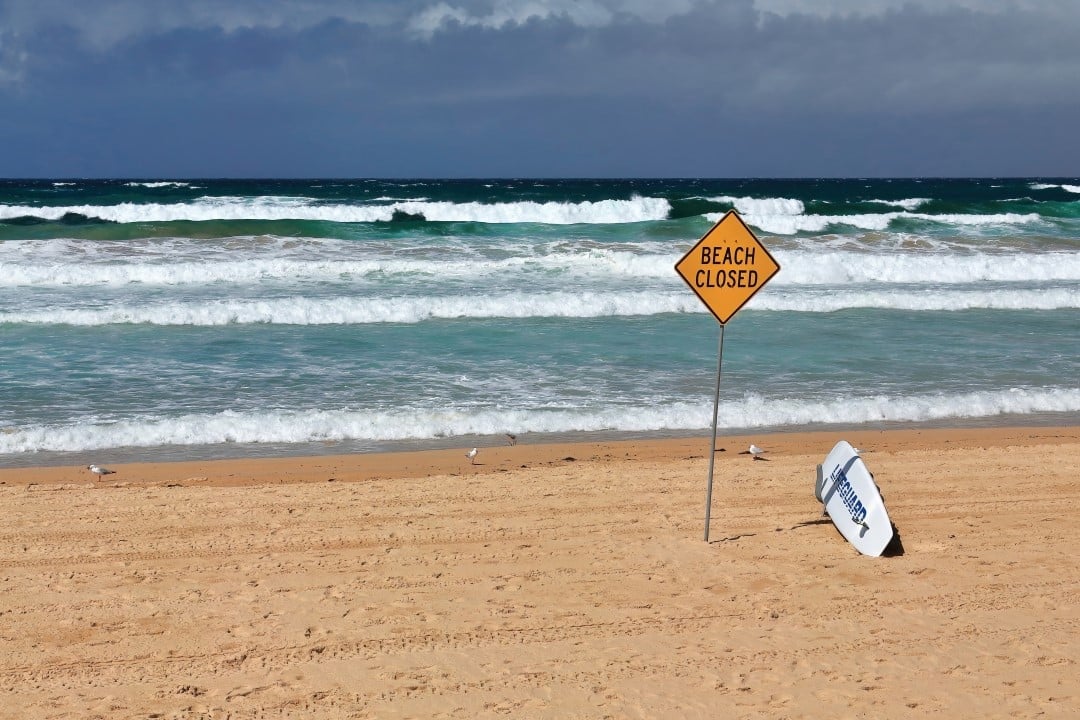
A surfer in his 20s is fighting for his life in hospital after suffering a serious bite to his leg during a shark attack in North Steyne Beach, in the region of Manly. The incident occurred around 6:20 pm local time this Monday, January 19, 2026, and marks the third case recorded in less than 48 hours in the city. Autoridades police closed all beaches in the northern region of Sydney until further notice.
Previous attacks involved a 12-year-old boy bitten on the legs in waters off Sydney Harbour on Sunday and another surfboard biting incident on Dee Why Beach. Duas of the victims remain in critical condition, with serious injuries that require intensive care. Equipes rescuers acted quickly in all cases, transporting the injured by air or land.
The series of incidents provoked maximum alert from local authorities, who intensified monitoring with drones and helicopters. Surfistas and bathers report greater caution when entering the sea, even in traditionally frequented areas.
Details of recent incidents
The most recent attack took place in North Steyne Beach, an area popular with surfers in Manly. The young man, aged approximately 25, was surfing when the shark hit him in the leg, causing deep injuries. Testemunhas assisted in the immediate rescue, and paramedics stabilized the victim at the scene before transporting him to the hospital.
The previous Sunday, a 12-year-old boy suffered a serious bite to his legs in Nielsen Park, in the region of Vaucluse, within Sydney Harbour. Amigos rescued him after the animal attacked, and he remains hospitalized in critical condition. The case shocked local residents due to the rarity of incidents in sheltered waters of the port.
Another episode recorded a surfer board bite in Dee Why Beach, with no serious injuries to the human. Esse incident occurred hours before the attack on Manly and contributed to the decision to close the beaches. Autoridades confirm that all cases involve large sharks, possibly of the white species.
Security measures adopted
Authorities from Conselho of Northern Beaches ordered the immediate closure of more than 30 beaches in the northern region. The measure covers the entire coast from Manly to Palm Beach and remains in force until further risk assessment. Patrulhas maritime companies have increased their presence on site to ensure compliance.
Drones equipped with cameras monitor the water in real time, complementing protection networks already installed at strategic points. Helicópteros carry out regular flyovers to identify shark movements. Essas actions follow standard government New South Wales protocols for high-risk situations.
- Temporary installation of lines with smart baits for capturing and relocating animals;
- Audible and visual alerts on affected beaches;
- Guidance for surfers to avoid times of greatest shark activity;
- Coordination with marine biology experts for pattern analysis.

Environmental factors under analysis
Recent heavy rains have caused sewage to leak into the Sydney Harbour, attracting smaller fish that serve as prey for sharks. Especialistas point out that this concentration of food may explain the greater presence of predators in the area. Águas Warmer summer weather also influences the migration of species such as the great white shark.
The northern region of Sydney has seen a gradual increase in sightings in recent years, although fatal attacks remain rare. Dados History shows that most incidents result in non-lethal injuries, thanks to advances in rapid rescue. Ainda thus, the current sequence requires heightened vigilance.
Great white sharks patrol Australian coasts in search of natural prey such as seals and large fish. Confusão with silhouettes of boards explains part of the attacks on humans. Medidas mitigation measures include electronic tags on monitored animals to predict movements.
Chronology of attacks in 2026
The incidents began on Sunday, January 18, with the attack on the boy in the harbor. Horas later, the case was registered in Dee Why, followed by the most serious case in Manly on Monday. The temporal proximity mobilized a coordinated response between the police, emergency services and the fisheries department.
Medical teams highlight the importance of tourniquets and immediate compression in bite injuries. Hospitais in the region activated maritime trauma protocols, preparing intensive care units. Familiares of victims receive psychological support during prolonged hospitalization.
The sequence of three attacks in such a short period is unprecedented in recent times in Sydney. Autoridades review data from previous years to compare seasonal patterns. Continuous Monitoramento defines when beaches can reopen safely.
Reactions from locals and surfers
Residents of Manly and surrounding areas express concerns about safety at local beaches. Muitos canceled water leisure plans until further assessment by authorities. Escolas of surfing suspended practical classes in the affected region.
Coastal communities reinforce awareness campaigns about marine risks. Surfistas experts advocate the use of electronic repellent devices on boards. The measure gains support after recent incidents demonstrate limited effectiveness of traditional networks.
Tourists who visit Sydney in the summer face changes to their beach itineraries. Hotéis nearby offer internal alternatives while the closure lasts. The situation impacts the local economy dependent on visitors to the northern beaches.
Monitoring protocols in operation
The government of New South Wales maintains a broad electronic tagging program for sharks. Sensores installed detect the passage of animals close to the coast and issue automatic alerts. The system has recorded spikes in activity in recent weeks.
Specialized teams analyze water samples to check quality and presence of attractions for predators. Resultados preliminaries confirm the influence of temporary pollution by rain. Ações corrective measures include accelerated cleaning of sewage systems.
- Use of thermal drones for night detection;
- Mobile applications with real-time alerts for swimmers;
- Partnerships with universities for animal behavior research;
- Annual lifeguard training in first aid for bites.
The combination of technologies reduces risks, although it does not completely eliminate the natural presence of sharks. Autoridades emphasize that animals are part of the Australian marine ecosystem. Esforços focus on safe coexistence between humans and wildlife.
