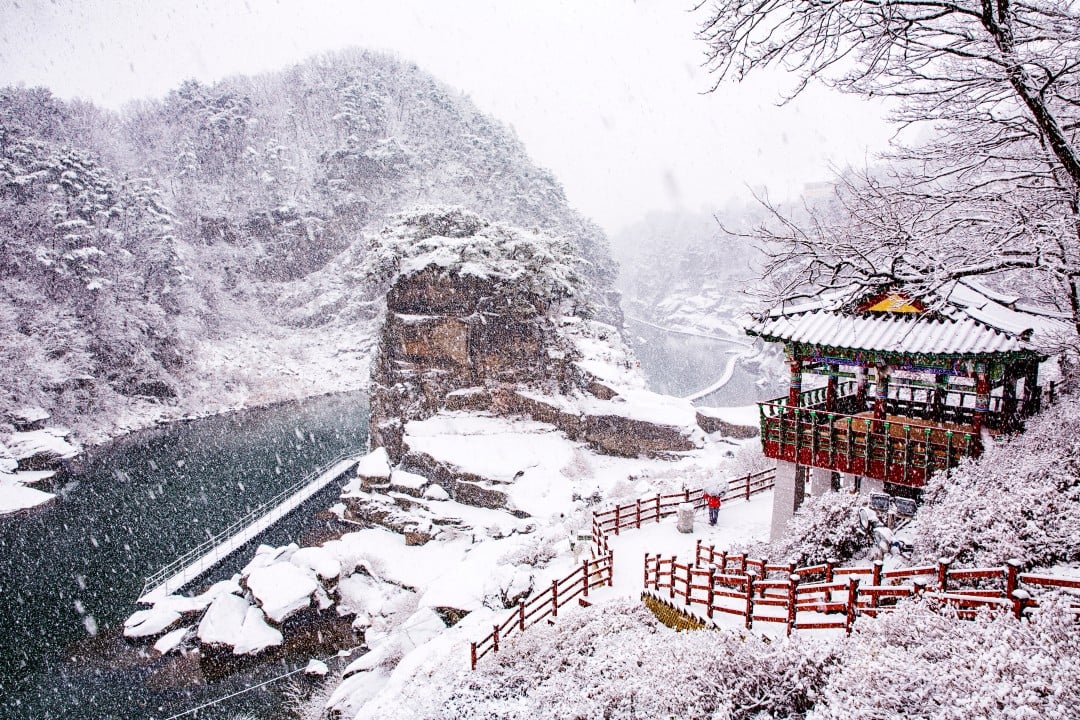
The Coreia of the
Meteorological authorities issued cold wave warnings for almost the entire country. The forecast indicates that severe weather will continue until the end of the week, affecting millions of inhabitants.
Heavy snow hits regions such as Honam, Jeju and Ulleungdo from Wednesday. Ventos ice cream intensifies thermal discomfort in urban and rural areas.
- Temperatures in Seul registered -10.6°C in the early hours of the day.
- Central and provincial regions of Gyeonggi reached -15°C.
- Coastal areas face winds that worsen the cold sensation.
Minimum temperatures recorded
Seoul dawned at -10.6°C in official measurements taken at 5 am. The South Korean capital maintains active alerts due to the combination of low temperature and wind.
In nearby provinces, such as Gyeonggi, thermometers registered values close to -15°C. Essas conditions directly affect the daily lives of the local population.
Heavy snow forecast
Regions of Honam are expected to receive significant accumulations of snow starting Wednesday. Local authorities prepared teams to clean public roads.
The island of Jeju also enters the intense precipitation zone. Voos and sea crossings may change due to weather conditions.
Ulleungdo faces a similar forecast with associated strong winds. Moradores received guidance to avoid unnecessary travel.

Transport impacts
Airports across the country are operating with delays because of ice on the runways. Equipes perform constant deicing to maintain safe takeoffs.
Main highways register mandatory speed reductions in sections covered by snow. Acidentes mild cases have increased in the last 24 hours in affected areas.
Public transport in Seul has reinforced extra hours. Ônibus and the subway run with maximum heating to protect passengers.
Ferries to islands such as Jeju have suspended some routes temporarily. Empresas seafarers monitor sea conditions before authorizing trips.
Effects on public health
Hospitals report an increase in visits for hypothermia in vulnerable groups. Idosos and children receive special attention from health authorities.
Portable heater distribution campaigns take place in low-income neighborhoods. Organizações government agencies coordinate the delivery of essential items.
Doctors recommend wearing multiple layers of clothing when leaving the house. Prolonged exposure to cold poses a significant risk at this stage.
Professionals working outdoors received extra protective equipment. Empresas adjusted journeys to reduce exposure time.
Freezing of rivers and lakes
The river Han, in Seul, has thick layers of ice in several places. Esse phenomenon occurred earlier than usual this winter.
Other rivers in the center of the country also partially froze. Imagens areas show extensive areas covered by solid ice.
Authorities monitor river levels to prevent future flooding. The rapid thaw represents concern for the coming weeks.
Emergency measures adopted
Central government has issued national cold wave warnings for all provinces. Escolas in most affected areas temporarily suspended face-to-face classes.
Warming shelters have opened in larger cities for homeless people. Voluntários help with the distribution of hot food.
Electricity companies reinforced the network against overload. Residential heating consumption has reached record highs in recent days.
Regions most affected by the cold
Gangwon Province records some of the lowest temperatures in the country. Montanhas accumulate snow making access to isolated villages difficult.
Coastal areas face winds that reach high speeds. The combination of humidity and intense cold forms ice on exposed surfaces.
Rural areas in the interior keep temperatures below -15°C at night. Agricultores protect sensitive plantations with special covers.
Cities like Incheon report -11°C with a lower thermal sensation. Portos operate with restrictions due to the risk of freezing.
Comparison with previous winters
This January 2026 features lower average temperatures than the last five years. Registros meteorological data indicate a significant anomaly in the climate pattern.
The intensity of the current cold wave surpasses similar events in 2023. Neve accumulated in some areas has already reached historic marks for the month.
Experts have observed a greater frequency of extreme events in recent years. Dados accumulated data show a tendency towards harsher winters in specific periods.
Precautions recommended for the population
Residents should check heating systems before heavy use. Vazamentos of gas poses additional risk during consumption peaks.
Vehicles need battery checks and snow-appropriate tires. Motoristas receive instructions for keeping emergency kits in their cars.
Children and the elderly avoid prolonged exposure to the outdoors. Familiares monitor signs of excessive body cooling.
Domestic animals also require protection from intense cold. Veterinários warn about maintaining warm shelters.
Outlook for the next few days
The cold wave remains strong until the end of the week across the entire South Korean territory. Temperaturas remain below the seasonal average with no signs of immediate increase.
Snowfall continues to be concentrated in southern and island regions. Acumulações additional conditions worsen traffic conditions on secondary roads.
Meteorological authorities update bulletins daily based on new data. The population accesses official information through government channels.
