
The group Omoda &
To lead this new phase of growth, the company announced the hiring of Roger Corassa, former director of
The company’s goal is aggressive: to reach the mark of 50 thousand units sold by 2026. The strategic move occurs after the exhibition of prototypes at Salão of Automóvel of São Paulo of 2025, where the models Jaecoo 5 and
Market launch schedule
The release schedule for Omoda & Jaecoo for 2026 is well defined and will begin with the arrival of Jaecoo 5 in the first half of the year. The Este model will be positioned as a hybrid compact SUV, with the aim of being a more affordable option than the Omoda 5, competing directly with sales leaders such as the Hyundai Creta and the Volkswagen T-Cross.
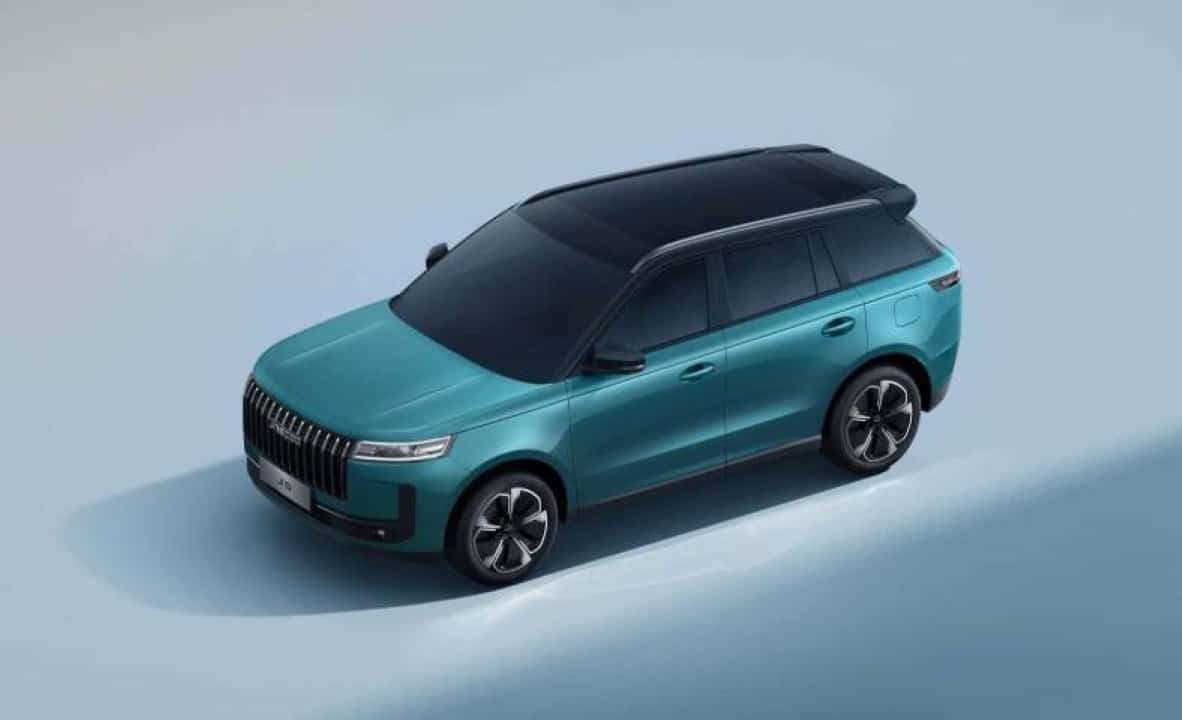
In the third quarter of the same year, it will be the turn of the Jaecoo 8, a large SUV with capacity for seven seats and a high-performance plug-in hybrid system. With all-wheel drive and combined power that can exceed 500 hp, the model was designed to compete in the premium segment, targeting competitors such as the GWM Wey 07.
To close the 2026 launch cycle, the brand will present the Omoda 4 in the fourth quarter. The vehicle will arrive as the entry-level model of the Omoda, with a sporty design and a competitive price positioning, aiming to attract a large volume of consumers in the subcompact SUV segment.
The expectation is that the Omoda 4 could already be one of the first models to be produced in the company’s future factory in Brasil, which would contribute to an even more aggressive pricing strategy and greater agility in distribution.
Technical details of the new Jaecoo
The Jaecoo 5 stands out for its full hybrid powertrain, which combines a 135 hp 1.5 turbo gasoline engine with a 203 hp electric motor. The combined power reaches 224 hp and 30 kgfm of torque, with the particularity that the combustion engine acts mainly as a generator for the electric engine most of the time, optimizing efficiency. Suas dimensions include 4,380 mm in length and a trunk capacity of 480 liters, placing it in an advantageous position in the segment.
The Jaecoo 8, measuring almost 5 meters long, focuses on internal space and off-road capability. Seu plug-in hybrid system uses a 1.5 turbo engine associated with two electric motors, powered by a 30 kWh battery that allows external recharging. The model will feature 4×4 traction and specific driving modes for different types of terrain, in addition to offering six or seven seat configurations, the first with executive seats in the second row.
Equipment and dimensions of models
The equipment list of the new models promises to be a competitive differentiator. The Jaecoo 5, in its European version, already includes items such as a digital instrument panel, dual-zone air conditioning, a panoramic sunroof and an Sony branded sound system with 14 speakers. Além In addition, the ADAS package with 17 driving assistants, on-site key and 50 W induction cell phone charger must be present in the versions intended for the Brasil.
Comfort on board is reinforced by front seats with electrical adjustments, ventilation and massage, as well as 18-inch alloy wheels. The brand’s strategy is to offer a robust technological package from entry-level versions, focusing on security and connectivity to attract the modern consumer.
For the Jaecoo 8, the focus on luxury and technology is even greater. Espera The seven-seater SUV offers a premium finish and a wide range of comfort and convenience features for all occupants, consolidating its position at the top of the brand’s portfolio.
Investments in local production
One of the pillars of the Omoda & Jaecoo expansion plan is the nationalization of production. The company has already allocated an additional investment of R$15 million specifically for the development of the flex engine, which will be crucial for the competitiveness of entry-level models. The technology, scheduled for 2027, will allow the use of ethanol, a widely accepted fuel in the Brasil.
The automaker is in the final stages of negotiations for the installation of a factory in the country, with operations scheduled to begin in 2026, possibly at the old plant in Jacareí (SP). Roger Corassa stated that the preference is for its own plant, ruling out partnerships at first. Production should begin under the CKD (Completely Knocked Down) or SKD (Semi Knocked Down) regime, with models such as the Omoda 4 and 5 among the first to be nationalized.
Profile of Roger Corassa in leadership
The appointment of Roger Corassa to the Executive Vice Presidency is a clear sign of the seriousness of Omoda & Jaecoo’s plans for Brasil. With a long career at Volkswagen, where he led operations at América Latina, Corassa brings extensive experience in management, production and product development for the local market. Sua principal missão será viabilizar a implantação da fábrica e estruturar a operação comercial para atingir a meta de 50 mil carros vendidos por ano.
In his first statements, the executive highlighted the importance of adapting vehicles to the tastes of the Brazilian consumer, citing the development of the flex engine as a fundamental example of this strategy. Ele will also be responsible for accelerating the expansion of the dealership network, which is expected to increase from 70 to 100 points of sale by the end of 2026.
Market strategy and competition
Omoda & Jaecoo is structuring its portfolio to compete on different fronts in the SUV market. The Jaecoo 5, with a more sober design and estimated price below R$155,000, will seek to attract customers from established models. The Jaecoo 8, in turn, will compete in the luxury segment, where power and plug-in hybrid technology will be its main assets. Finally, the Omoda 4 will have the mission of popularizing the brand, with an “audacious price” to compete in the highest volume segment in the country. Essa diversification is essential to achieve the objective of 50 thousand annual registrations, a volume that would place the brand at a level close to that of already established traditional manufacturers.
Perspectives for the hybrid flex engine
The development of the flex engine is a strategic step for the Omoda & Jaecoo in the Brasil. The technology will allow the brand’s hybrid vehicles to use ethanol, a renewable fuel that offers tax and environmental advantages. The most likely basis for this adaptation is the 1.5 four-cylinder turbo engine, already used in the brand’s HEV (full hybrid) and PHEV (plug-in hybrid) systems, although a three-cylinder option is not ruled out for greater efficiency.
The integration of dual-fuel technology, scheduled for 2027, will align the company with national market trends and future emissions regulations. With this engine, the brand will be able to offer products with greater autonomy and lower supply costs, decisive factors for the Brazilian consumer.
