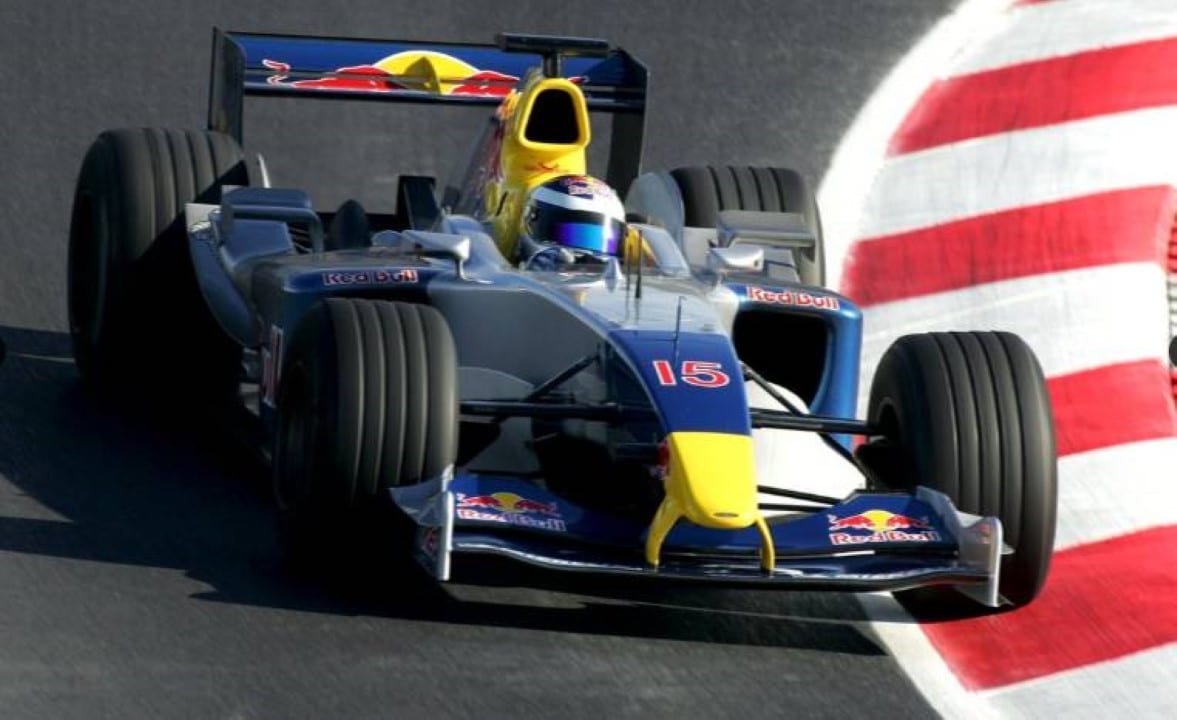
The Fórmula 1 cars use the brake-by-wire system to control the rear brakes electronically, integrating conventional braking with energy recovery from the hybrid power unit. Essa technology allows the vehicle to maintain balance and safety during slowdowns that reach 5G, values much higher than those of street cars.
Brake-by-wire operates exclusively on the rear axle, where the MGU-K converts kinetic energy into electrical energy to recharge the battery. From 2026, technical rules will increase the recovery power to 350 kW, requiring even more precise adjustments to the system.
Drivers adjust the brake balance using controls on the steering wheel, adapting the car’s behavior to different circuits and track conditions. Essa capacity directly influences performance in curves and overtaking zones.

Brake-by-wire main components
The brake-by-wire system has several elements that work together to ensure efficiency and safety. The electronic control unit constantly monitors the pressure applied to the pedal by the rider and the battery charge status.
- Brake-by-wire (BBW)— Atua as the brain of the system on the rear axle, distributing torque between hydraulic and regenerative braking.
- MGU-K— Responsável by converting kinetic energy into electrical energy during decelerations.
- Hydraulic valves— Controlam the pressure on the rear calipers proportionally.
- Master cylinder— Conecta the pedal to the front circuit directly and to the rear via BBW.
These components prevent dangerous imbalances between the axles. A failure in energy recovery could drastically alter the distribution of forces.
The system includes mechanical redundancies that come into play in extreme cases. A safety valve directly connects the pedal to the rear brakes when necessary.
Dynamic rear torque distribution
During hard braking, brake-by-wire calculates the ideal rear torque split in milliseconds. Quando the battery has storage capacity, the MGU-K prioritizes regeneration, reducing the need for hydraulic pressure on the clamps.
If the battery reaches the charge limit, the system partially disables recovery and transfers more effort to the conventional brakes. Essa transition occurs imperceptibly for the pilot, maintaining the requested deceleration.
The distribution varies throughout the same braking zone. At first, electrical regeneration predominates; as speed decreases, hydraulic participation increases to preserve stability.
This dynamic management prevents disk overheating and optimizes the use of available energy. On circuits with a lot of heavy braking, the difference in energy efficiency can decide positions in the race.
Adjustments made by pilots
Drivers have a dial on the steering wheel to change the brake balance, modifying the proportion of force between the front and rear axles. Brake-by-wire interprets these commands and adapts the rear response in real time.
In wet or low-grip track conditions, competitors often move their balance forward, reducing the risk of rear lockout. Já on high-speed tracks, rearward adjustments help when entering curves.
Teams map out specific configurations for each circuit during free practice. Essas calibrations consider brake temperature, tire wear and energy recovery strategy.
The system allows changes even during qualifying laps. Pilotos Experienced players use these variations to explore different limits in specific sectors of the track.
Impact on car balance
Brake-by-wire directly influences the car’s stability under heavy braking. An inadequate configuration can generate understeer when entering a curve or excessive oversteer during subsequent traction.
Teams dedicate entire simulator sessions to refining braking maps. Engenheiros analyze telemetry data to identify equilibrium migration sweet spots.
In long races, the evolution of the car’s weight with fuel consumption changes the behavior. The system automatically compensates for some of these variations, but manual adjustments are still necessary.
This constant interaction between pilot and electronics represents one of the greatest complexities of the modern Fórmula 1. Dominar brake-by-wire differentiates the best competitors on the grid.
Changes planned for the 2026 regulation
The new technical rules from 2026 will significantly increase the regeneration power of the MGU-K, from the current 120 kW to 350 kW. Essa change will increase the share of electric braking in the total rear torque.
Brake manufacturers already develop components capable of withstanding greater thermal loads in the hydraulic phases. Discos and grippers will have revised specifications to handle more abrupt transitions.
Teams anticipate longer braking zones due to greater energy efficiency. Isso can open up new overtaking opportunities on traditional circuits.
Brake-by-wire will gain even more strategic importance. Gerenciar the battery charge throughout the laps will become a decisive factor for performance and final positioning.
Technical advantages of the integrated hybrid system
The integration between brake-by-wire and hybrid power unit provides superior energy efficiency. Parte of the energy that would be dissipated as heat in conventional brakes is converted into useful power for acceleration.
- Maximizes recovery under heavy braking, storing up to 0.5 MJ in 1.5 seconds with 350 kW.
- Reduces wear on physical components by reducing thermal load on the clamps.
- Allows more aggressive starting strategies with a fully charged battery.
- Contributes to lower fuel consumption throughout the race.
This technology developed at Fórmula 1 is already influencing production car systems. Fabricantes use similar concepts in hybrid and electric street models.
The system maintains strict safety standards established by the FIA. Extensive Testes ensure reliable operation even in extreme temperature and vibration conditions.
Operation in different phases of the race
During formation and safety car laps, brake-by-wire helps maintain ideal brake temperatures. Pilotos perform controlled maneuvers to heat discs and pads without wasting energy.
On restarts, the maximum battery charge provides immediate additional torque. Essa advantage can be crucial for defending or attacking positions.
Teams continuously monitor the state of the system via telemetry. Qualquer anomaly triggers contingency protocols that prioritize security over performance.
Brake-by-wire has constantly evolved since its introduction in 2014. Atualizações years refine control algorithms and response to rider demands.
Complete mastery of this technology requires a unique combination of mechanical skill and electronic understanding. Fórmula 1’s best engineers and pilots dedicate significant time to continuous improvement.
