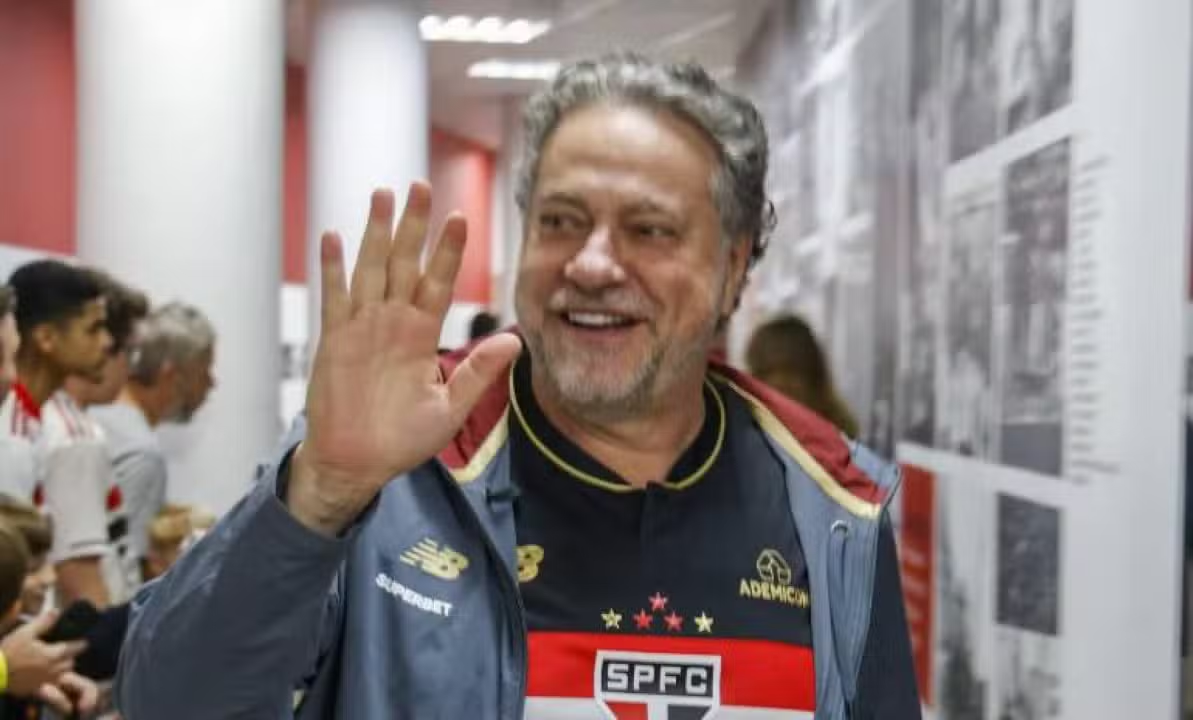
Julio Casares officially resigned from the presidency of São Paulo FC, a move that clarifies the club’s immediate leadership structure. This departure came after a period of intense political turmoil and an impeachment process initiated by the Deliberative Council.
Harry Massis Jr., who had already been serving as interim president, is now confirmed to remain in the role. His term is set to continue until the end of 2026, aligning with the club’s established electoral calendar.
The planned elections for the subsequent triennium, spanning from 2027 to 2029, were already slated for late 2026. Casares would have been ineligible to contend for a third term regardless, as club statutes restrict presidents to a maximum of two mandates.
Leadership transition confirmed following resignation
Casares’ resignation formalizes a significant shift in São Paulo’s command, bringing a definitive end to his tenure amid considerable internal pressure. The decision provides immediate clarity regarding the club’s administrative continuity, particularly as it navigates ongoing competitive and institutional challenges.
This transition places Massis Jr. in a crucial position, tasked with maintaining stability and overseeing club operations until a new elected president takes office. His interim leadership is expected to focus on daily management and preparations for the upcoming electoral period.
The impeachment process and its origins
Casares had been removed from his duties since February 16, 2024, following a decisive vote by the São Paulo Deliberative Council that approved his impeachment. This initial approval reflected a broad consensus among council members regarding the severity of the allegations against him.
The impeachment proceedings stemmed from a serious denunciation made in late 2023, which alleged an irregular scheme involving the commercialization of Morumbis stadium suites during concert days. This scandal significantly complicated Casares’ political standing within the club and among its governing bodies.
Had Casares not chosen to resign, the club’s bylaws dictated that his cassation would proceed to a final vote in a general assembly, to be held within 30 days of the council’s initial decision. In the council’s vote, a substantial majority of 188 out of 223 participants cast ballots in favor of his impeachment, underscoring the depth of the dissatisfaction.
Interim presidency and future electoral landscape
Harry Massis Jr.’s confirmed tenure until late 2026 provides São Paulo FC with a period of structured interim governance. This stability is critical for the club as it prepares for the regular electoral cycle, ensuring that day-to-day operations and strategic planning can continue uninterrupted.
Massis Jr. will preside over key administrative decisions, managing the club’s finances, football department, and youth categories. His leadership during this period will be instrumental in shaping the environment for the next full presidential term, which begins in 2027.
Club statutes and presidential term limits
São Paulo FC’s current statutes explicitly limit a president to serving two consecutive terms, a rule designed to promote fresh leadership and prevent prolonged stays in power. This statutory provision meant that Julio Casares, already in his second mandate, was constitutionally barred from seeking re-election in the upcoming 2026 contest, irrespective of his recent resignation. The framework ensures a natural rotation of leadership, fostering opportunities for new visions and administrative approaches within the club’s highest office. This established regulation is a fundamental aspect of the club’s governance structure, emphasizing democratic principles and accountability.
Reactions and club unity post-impeachment
Following the initial impeachment vote, some figures within the club expressed relief and a sense of renewed purpose. Hernán Crespo, then coach of the São Paulo team, notably commented on the outcome, stating that the club emerged “united” and that “democracy won.”
This sentiment highlighted a desire among many stakeholders to move past the political turmoil and focus on the club’s sporting and institutional future. The definitive resolution of the presidential crisis is anticipated to foster greater internal cohesion and a clearer path forward for the club.
Financial and administrative challenges ahead
The interim administration under Harry Massis Jr. faces a series of significant challenges, both on and off the field. Ensuring financial stability remains a top priority, particularly in managing existing debts and optimizing revenue streams from various club assets, including stadium operations and commercial partnerships. Strategic planning for the football department, including player acquisitions, squad retention, and technical staff decisions, will be crucial in maintaining competitive performance. Furthermore, the club’s youth academy programs require sustained investment and development to secure future talent.
The path to 2027: A look at upcoming elections
The focus now definitively shifts towards the end of 2026, when São Paulo FC members will elect a new president for the 2027-2029 triennium. This election will mark a fresh chapter for the club, with candidates expected to present comprehensive plans for its continued growth and success.
