
Xiaomi took a significant step towards democratizing high-quality photography in its ecosystem, making available a package of 17 camera effects developed in partnership with the iconic brand Leica for all its cell phones that operate with the HyperOS system. Anteriormente, these features were a privilege of more expensive models like the Xiaomi 17 Ultra, but the company’s new strategy expands access to professional-grade tools to a much broader user base.
Implemented from January 2026, the update represents an important new chapter in the collaboration between the Chinese technology giant and the renowned German camera manufacturer. With the change, presets that complexly adjust parameters such as contrast, saturation and sharpness are integrated directly into the system’s native camera application, allowing millions of people to take their photography to the next level without the need for third-party applications or advanced technical editing knowledge.
The initiative covers a wide range of devices, including intermediate models from the Redmi and Poco lines, as well as flagships from previous generations, with the only condition that they have already been updated to HyperOS. Essa strategic decision eliminates the price barrier to obtain superior photographic results, strengthening customer loyalty and solidifying the brand’s integrated ecosystem.
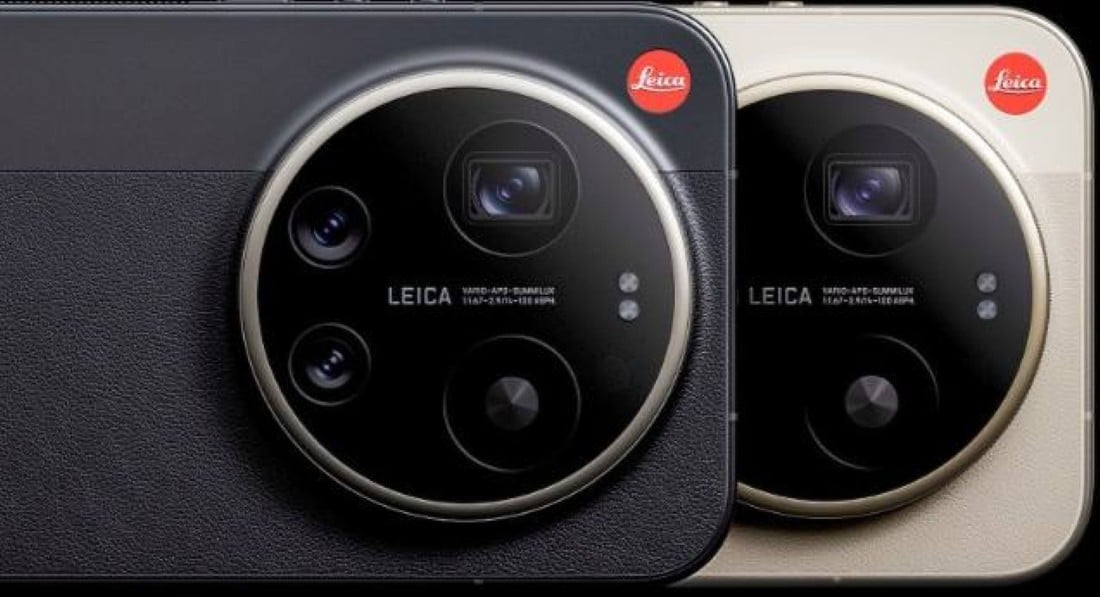
The partnership between Xiaomi and Leica gains a new chapter
The collaboration between Xiaomi and Leica, which has lasted several years, has now reached a new level of maturity. The partnership reached its initial peak with the launch of premium devices, such as the acclaimed Xiaomi 17 Ultra, which featured Summilux lenses and optical adjustments certified by Leica, establishing a standard of excellence for image quality on smartphones. The Esse model served as a showcase of the potential of the union between the two companies, combining the cutting-edge hardware of the Xiaomi with the legendary color science and optics of the Leica.
Now, the strategy evolves from hardware to software. By sharing image processing technology with a much broader user base, Xiaomi reinforces its loyalty plan and consolidates the cohesion of its ecosystem. HyperOS is the centerpiece of this unification, serving as a platform that connects smartphones, tablets and other devices from the brand and its sub-brands. Essa integration allows cutting-edge features such as Leica effects to be distributed more efficiently and democratically, adding value to the entire product portfolio.
How new effects work in HyperOS
It is essential to understand that the new Leica presets go far beyond superficial filters found in social media applications. Elas operate at a much deeper level of image processing, modifying advanced settings directly in the system’s capture pipeline. For this reason, compatibility is restricted to HyperOS, which was designed to ensure the optimal functioning of these complex algorithms. Direct integration with hardware and software allows adjustments to be applied in real time, preserving the maximum quality of data captured by the camera sensor.
The result is images with greater dynamic range, more accurate colors and an aesthetic that recalls the classic visual signature of the Leica, something that post-processing filters can rarely replicate faithfully. The embedded technology intelligently adjusts micro-contrasts, the rendering of skin tones and the transition between light and shadow, offering a more natural and professional final result directly at the moment of clicking, without the need for subsequent editing. Essa approach ensures that the essence of Leica photography is maintained.
Advantages for different usage scenarios
The versatility of the 17 styles launched transforms the everyday image capture experience, meeting a wide range of photographic needs and preferences. Cada effect has been carefully calibrated to excel in specific situations, giving users a creative arsenal to explore. Para portrait enthusiasts, for example, the “Sunset” effect applies a negative sharpness of -6, which softens skin texture in a subtle and natural way, simulating the effect of professional wide-aperture lenses and providing a pleasant background blur.
For those looking for a more artistic aesthetic, “Fleeting Time” reduces contrast by -50, creating an analog and nostalgic look, perfect for everyday recordings that seek an old film look. Para low-light scenarios, “Clear Moon” optimizes nighttime shooting by slightly increasing exposure to ensure sharp highlights and reduce digital noise without sacrificing detail in shadow areas. Essa diversity makes effects a powerful tool for both casual users and amateur photographers who want to experiment and elevate the quality of their images without resorting to complex editing software.
Detailed steps to install the presets
The process for enabling the coveted Leica effects on HyperOS devices is designed to be quick and intuitive, taking just a few minutes. The first step is to obtain the official files, which are distributed in the brand’s trusted communities and channels, usually through direct links or QR codes, guaranteeing the security and authenticity of the package. Após the download, the files, which are normally compressed in .zip format, need to be extracted to an easily accessible folder on the smartphone’s internal storage.
With the presets already extracted and ready to use, the user must open the system’s native camera application. You then need to swipe between the shooting modes until you find the “Pro” mode, which gives you access to advanced photography settings. Dentro of the Pro mode options, there will be a function to import presets. Basta select this option, navigate to the folder where the files were saved and import them into the application. Once completed, the 17 new Leica styles will be available for selection.
Compatible devices and update scope
The reach of this update is one of its strongest points, as HyperOS was designed to unify the Xiaomi ecosystem and is available on a wide range of models released in recent years. While newer flagships such as the Xiaomi 15 and 14 series are often the first to receive this type of benefit, the company’s new strategy deliberately includes older, more affordable models. Isso means that owners of popular devices from the Redmi Note lines and several devices from the Poco sub-brand can also enjoy Leica technology.
The software update does not require a specific version of Android beyond the HyperOS base, which simplifies the process for the end user. Compatibility extends to both models sold in the Chinese market and global versions, expanding access in important international markets such as Brasil, Europa and several Sudeste Asiático countries. Essa global expansion reinforces Xiaomi’s positioning as a brand that aims to offer premium resources in an accessible way, strengthening its competitiveness on a global scale.
The future of mobile photography at Xiaomi
This initiative by Xiaomi demonstrates a firm commitment to continuous innovation in the field of mobile photography, one of the most competitive arenas among smartphone manufacturers. While the company has released software features for previous generations in the past, the current scale, driven by the unified HyperOS platform, is unprecedented and sets a new standard for the brand. The market expectation is that future releases will incorporate even more elements of the Leica technology natively, deepening collaboration in both hardware and software.
Meanwhile, current users of a vast product portfolio immediately benefit from this technological bridge between elite models and the general device lineup. Estrategicamente, the measure positions Xiaomi very competitively in relation to its main competitors, such as Samsung and Apple, by adding differentiated value and that of a prestigious brand to a larger portion of its catalogue. User experience thus becomes a central pillar of your growth and retention strategy in the global market.
Positive impact on the community
Initial feedback from the Xiaomi user community has been overwhelmingly positive since the release of the effects was announced. On specialized forums and social networks, many report an instant and visible improvement in the quality of their photographs. Reports highlight the notable difference especially in challenging scenarios, such as landscapes with high dynamic range, where the presets can balance lights and shadows harmoniously, and in portraits, which now present a more natural and smooth skin tone. Essa reception validates the effectiveness of the collaboration with Leica and the correctness of the distribution strategy via software.
