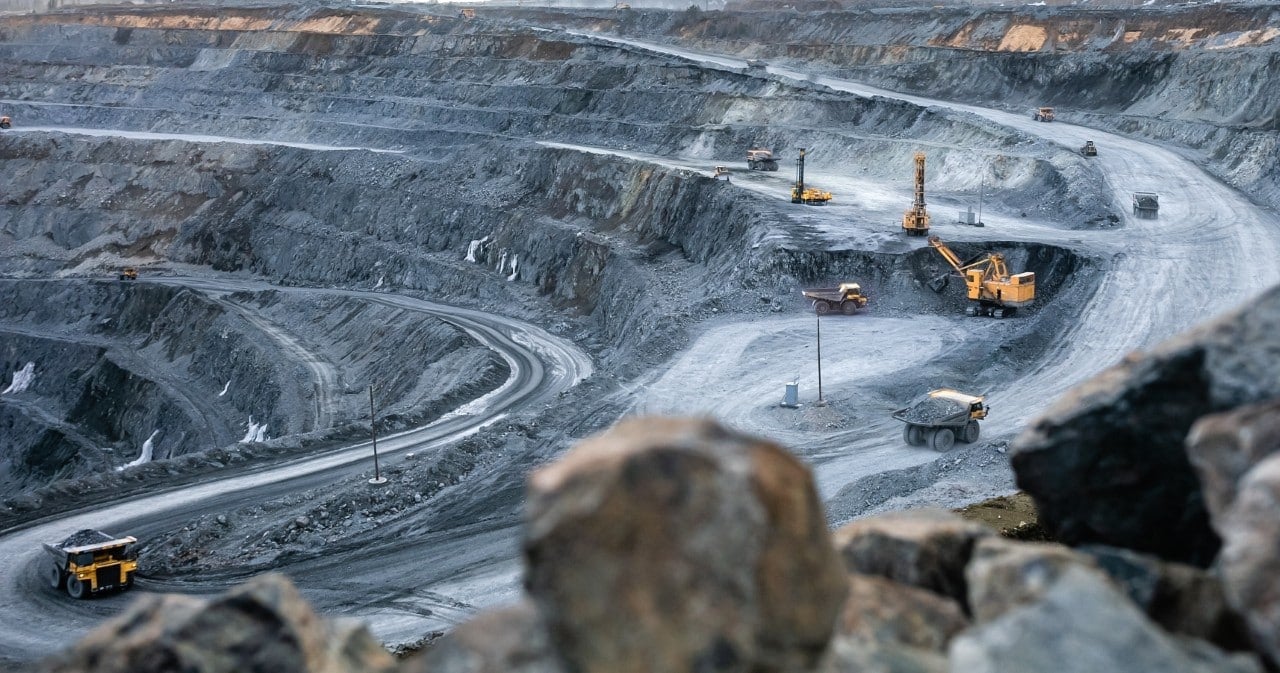
A monumental geological discovery was confirmed on the border between the states of Nevada and Oregon, in Estados Unidos. Cientistas validated the existence of what is now considered the world’s largest lithium deposit, located within the McDermitt caldera, a structure formed by an ancient supervolcano. The reserve has the potential to redefine the global market for minerals essential for the energy transition.
Estimates published in the scientific journal Science Advances point to a volume of between 20 and 40 million metric tons of the mineral. Essa amount significantly exceeds other large known reserves, such as those found in the Bolívia salt flats. The economic value of the deposit is estimated at up to $1.5 trillion, positioning the U.S. as a future leader in global lithium production.
The deposit is at the center of the mining project known as Thacker Pass, operated by the company Lithium Americas. The strategic location and magnitude of the reserve promise to boost the battery supply chain in the América from Norte, reducing dependence on foreign sources and strengthening the country’s energy security in the scenario of vehicle fleet electrification.
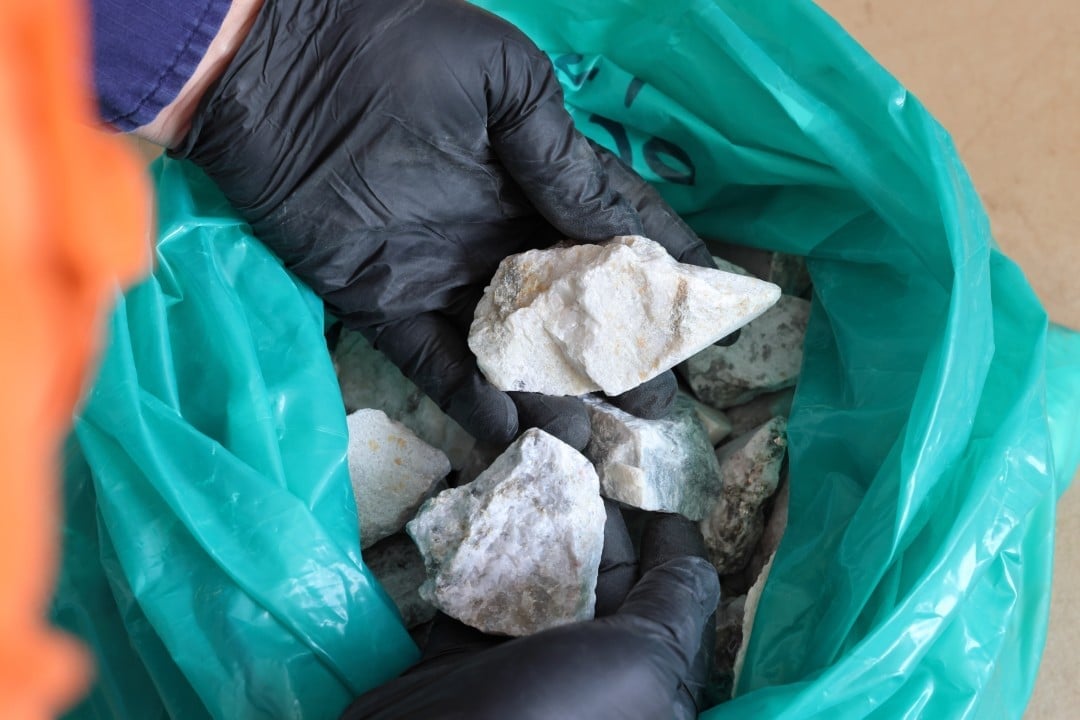
The geological origin of the billion-dollar deposit
The formation of this immense lithium reserve is the result of a series of rare geological events that occurred over millions of years. McDermitt Caldera was created approximately 16.4 million years ago following a massive volcanic eruption that spewed enormous volumes of magma and ash. The collapse of the magma chamber formed a large depression that, over time, became a lake. Ash rich in minerals, such as sodium and potassium, settled at the bottom of this lake, forming thick layers of smectite-type clay. The initial process alone already concentrated lithium, but a second event was crucial in enriching the deposit to extraordinary levels. Fluidos hydrothermal vents, heated by residual heat from the volcanic system, percolated through these clay layers, chemically altering the smectite and transforming it into illite, a mineral with a crystalline structure capable of retaining up to ten times more lithium. Essa unique combination of volcanism, lake sedimentation, and prolonged hydrothermal alteration created a deposit with lithium concentrations reaching 2.4% in certain areas, an unusually high content for clay deposits.
Project details
The development of the Thacker Pass mine is a large-scale undertaking, led by the company Lithium Americas Corp. The project received a strong push from the US government to accelerate domestic production of critical materials.
In a significant move to facilitate construction, the US (DOE) Departamento of Energia granted a conditional loan of US$2.26 billion to the company. Este financing is one of the largest ever allocated to a lithium mining project in the country.
The operation will be implemented in phases. The first stage, already underway, foresees an annual production of 40 thousand tons of lithium carbonate, with the start of commercial operations projected for the end of the year. The long-term plan is to expand capacity to up to 160 thousand tons per year.
The commercial viability of the project was reinforced by a strategic agreement with General Motors. The automaker invested hundreds of millions of dollars in the project, granting the exclusive right to purchase all production from the first phase for a period of 20 years, ensuring a stable supply for its future battery factories.
Extraction technology and economic viability
The extraction method at Thacker Pass will be open pit mining, a choice made possible by the relatively shallow depth of the deposit. The illite-rich clay layer is close to the surface, which eliminates the need for complex and expensive underground tunnels, significantly reducing operating costs. The ratio between the sterile material that needs to be removed and the useful ore is quite favorable, increasing the efficiency of the process.
After extracting the clay, the material goes through a sophisticated chemical process to isolate the lithium. Como the mineral is chemically linked to the illite structure, a sulfuric acid leaching method is required to dissolve it. Next, a series of purification and precipitation steps separate lithium carbonate from other elements. Testes large-scale pilot confirmed that the technology used allows a recovery rate of more than 90% of the lithium contained in the ore, validating the effectiveness and profitability of the chosen process.
Controversies and opposition to the project
Despite its economic and strategic potential, the Thacker Pass project faces strong resistance from several sectors. Comunidades local indigenous people, including the Paiute and Shoshone tribes, contest the mine, arguing that the area is sacred and has deep cultural and historical significance.
The groups claim that the site, known to them as “Peehee mu’huh” (or “rotten moon”), was the scene of a massacre of their ancestors and contains archaeological sites that would be destroyed by the operation. Ações lawsuits were filed to try to block the project based on the protection of ancestral lands and water resources.
Environmental organizations also oppose the mine, raising concerns about its intensive water consumption in an arid region and the potential for contamination of underground aquifers. Além In addition, the area is the habitat of sensitive species, such as the greater sage bird, which increases the complexity of environmental licensing and pressure on operators.
Strategic positioning for the Estados Unidos
The exploration of the Thacker Pass deposit is seen as a fundamental piece in the Estados Unidos strategy to guarantee their energy and industrial sovereignty. Atualmente, most of the world’s lithium processing is controlled by China, which creates geopolitical vulnerability for Western nations.
By developing such a vast domestic source, the U.S. can drastically reduce its dependence on imports, stabilize prices, and build an all-American battery supply chain, from extracting the mineral to manufacturing electric vehicles.
A new paradigm for mineral prospecting
The discovery at McDermitt Caldera is encouraging geologists to re-evaluate the potential of other similar volcanic formations around the world, establishing a new model for lithium prospecting.
Construction progress and expectations
Even in the face of legal disputes and protests, construction of the mine infrastructure in Thacker Pass has officially begun. Lithium Americas obtained favorable court decisions that allowed initial work to progress on site.
The company remains on schedule to begin commercial production, with the first phase fully operational, consolidating the deposit’s position as a transformative asset for the clean energy industry.
