
The latest iPhone 17 The results indicate a marginal improvement over its predecessor, driven by a more robust A19 Pro chip optimized for the capabilities of the Apple Intelligence.
Despite significant improvements in hardware and resources, the new Apple device still positions itself behind direct competitors in the smartphone market, such as the Galaxy S25 Plus and Xiaomi 15T Pro models, in terms of energy autonomy. Essa difference suggests that, although there is internal progress, competition remains fierce in delivering long periods of use without the need for recharging.
The 3,998 mAh battery in the iPhone 17
Optimization and technical specifications
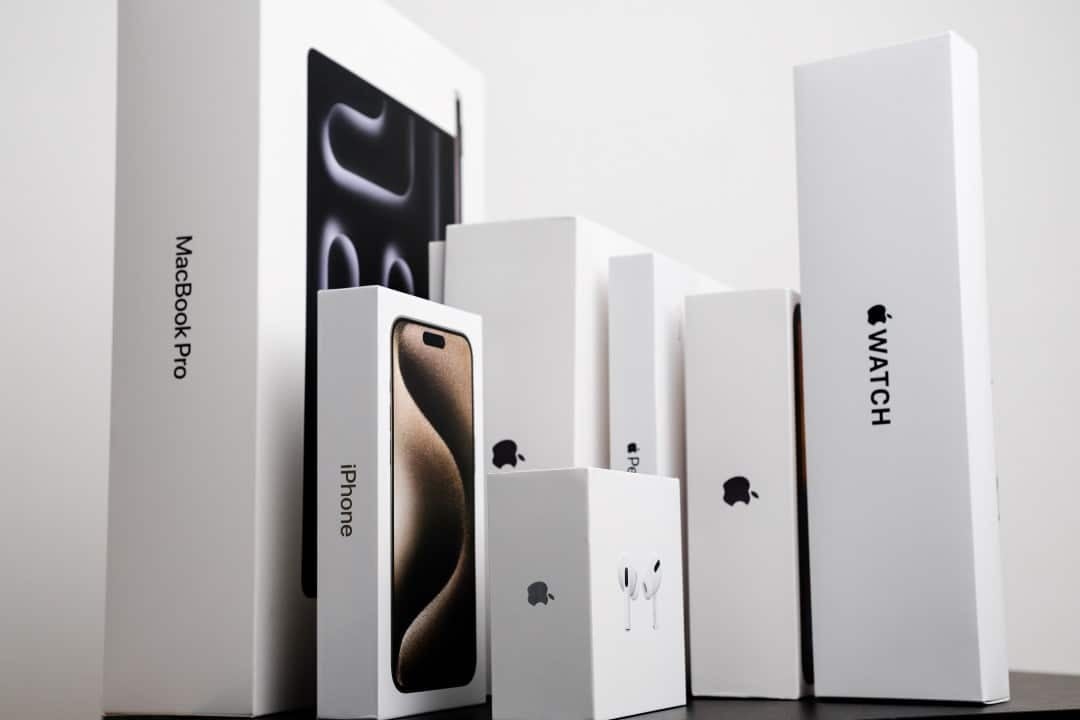
Apple’s focus on improving the performance of the iPhone 17 Essas modifications, which include 12 GB of RAM and new cameras, required an increase in battery capacity to compensate for additional energy consumption, seeking to prevent autonomy from being compromised.
The device features a 6.3-inch Super Retina XDR OLED screen, with a resolution of 2622 x 1206 pixels and a refresh rate of 120 Hz, providing a fluid and high-quality visual experience. The device also has IP68 certification against water and dust, ensuring greater durability and resistance in different environments.
Other features include:
- Platform Apple A19 Pro
- Up to 1TB of internal storage
- 48 MP triple rear camera
- 18 MP front camera
- 5G connectivity, Wi-Fi 7, Bluetooth and GPS
- Recharge via MagSafe
- iOS 26 operating system
- Face ID and NFC technologies
Rigorous autonomy testing methodology
The official battery testing procedure involved a series of timed cycles to completely deplete the device’s charge, ensuring that background consumption was monitored during standby periods. Para To ensure comparability between different models, screen brightness and network settings have been standardized.
Usage cycles were comprised of a variety of popular apps and games, simulating common user activities. Cada application has been running for a specified amount of time, reflecting a mixed usage pattern for a comprehensive autonomy assessment.
Among the applications tested, messengers such as WhatsApp, video platforms such as YouTube, media players such as Galeria and Spotify, and web browsers such as Chrome stand out. The inclusion of games such as Pokémon Go, Asphalt 8 and Candy Crush aimed to simulate energy consumption in scenarios with greater graphics and processing demands.
Detailed assessment results
Upon completion of full testing, the iPhone 17 Pro demonstrated a total battery life of 27 hours and 49 minutes, a period that reflects the device’s ability to operate under continuous and varied use. Desse time, the screen remained active for 12 hours and 57 minutes, indicating the specific energy consumption of the device’s visual interface.
During the evaluations, 20 complete test cycles were carried out, covering various activities. Browsing Chrome, for example, totaled 120 minutes, while combined use of WhatsApp, Spotify, PowerAmp, MX Player and YouTube totaled 600 minutes, with 120 minutes dedicated to each.
Still within the cycles, 120 minutes were allocated to games, including titles like Pokémon Go, Subway Surfers, Candy Crush, Injustice, Modern Combat 5 and Asphalt 8. in total, distributed over 40 minutes each. Finally, 80 minutes of voice calls were recorded via 3G/4G, simulating telephone communication.
Comparison and daily use experience
Despite the increase in battery capacity, the total usage time of the iPhone 17 Pro was marginally higher than that of its predecessor. Isso suggests that the battery gains were largely aimed at compensating for the greater energy consumption of the new A19 Pro chip and the 12 GB of RAM, resulting in autonomy in practice that is quite similar for most users.
The device can withstand at least a full day of intense use without major difficulties, requiring recharging at the end of the night to ensure it is ready for a new cycle of activities. Contudo, this brand still falls short of competing models such as the Galaxy S25 Plus and the Xiaomi 15T Pro, which consistently exceed 34 hours of use in similar tests.
Aspects of device recharging
One point that Apple has not yet prioritized in the iPhone 17 Pro is charging speed. The device continues to require approximately 1 hour and 20 minutes to go from 0% to 100% charge, a time that, in the current scenario of mobile technology, is below its rivals. Muitos competitors already offer solutions that allow a full recharge in less than 1 hour, providing greater convenience for users with busy routines.
