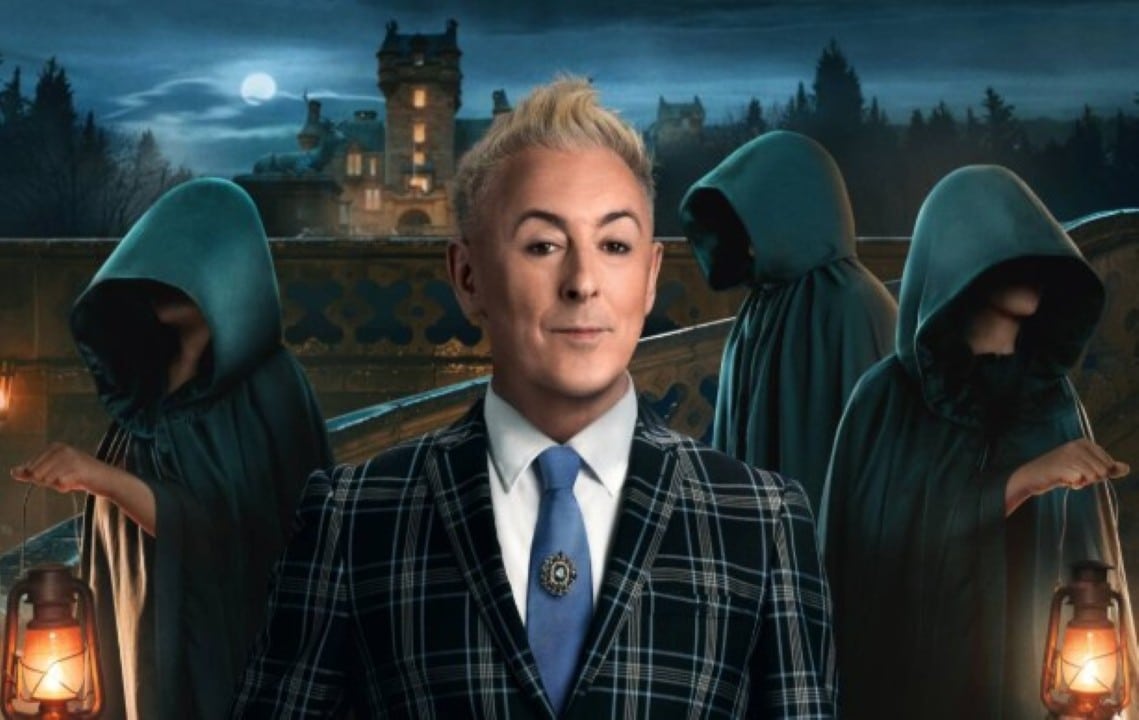
Unmasking traitors fashion how knitwear jumpsuits and Cluedo clues shape player influence
On the popular reality series The Traitors, every element contributes to a contestant’s complex strategy, extending far beyond spoken words and direct actions. Apparel choices, from seemingly innocent knitwear to assertive jumpsuits, serve as crucial non-verbal cues that subtly sway perceptions and build trust or suspicion among players in the strategic environment. This intricate fashion dynamic mirrors the classic mystery game Cluedo, where character archetypes are visually distinct, creating an additional layer of psychological warfare within the social fabric of the game. Contestants skillfully curate their appearance to either project an image of undeniable trustworthiness, seamlessly blend into the background as a faithful, or subtly assert dominance as a traitor. Each garment becomes a tool, influencing how alliances are formed and how suspicions are cast, making sartorial choices an integral part of their gameplay. The strategic deployment of specific clothing styles can dictate a player’s perceived honesty, vulnerability, or even their potential as a threat, thereby shaping the narrative that unfolds throughout the competition.

Players carefully consider how their wardrobe will be interpreted by others, often aiming to manipulate the collective psychology of the group. The decision to wear a particular item is rarely accidental, reflecting a calculated attempt to align with certain traits or deflect unwanted attention.
This nuanced approach to dressing highlights the deep understanding contestants have of human psychology, leveraging visual signals to their advantage in a high-stakes game of deception and trust.
The subtle art of sartorial deception
Contestants on The Traitors engage in a sophisticated game of visual communication, where their clothing choices are often as calculated as their verbal arguments. They strive to project an image that supports their role, whether attempting to appear harmless and loyal as a faithful or subtly asserting authority and mystery as a traitor. This deliberate selection process extends to every garment, transforming everyday clothing into a strategic asset within the social dynamics of the show. The choice of fabric, cut, and style can instantly convey messages of vulnerability, strength, or trustworthiness, influencing how fellow players perceive and interact with them from the moment they enter the game.
The pressure to maintain a consistent facade or adapt one’s image based on evolving game dynamics means players frequently re-evaluate their wardrobe. A player might start with an unassuming look to avoid early suspicion, then transition to more distinctive attire as they gain confidence or wish to make a statement. This evolution in personal styling reflects a player’s changing strategy and provides a fascinating insight into their psychological approach to winning the game. Each change in outfit becomes a potential clue for observant contestants, signaling a shift in alliances, a newfound determination, or even a hidden agenda.
Such an intricate interplay between fashion and strategy underscores the depth of the social experiment at play, demonstrating how visual presentation is intertwined with individual performance and collective perception.
Knitwear’s deceptive warmth
Knitwear consistently appears as a popular choice among contestants, often conveying an immediate sense of comfort, approachability, and trustworthiness. Sweaters, cardigans, and other knitted items tend to soften a player’s appearance, making them seem less threatening and more aligned with the faithful side of the game.
This choice can be a clever strategic maneuver for traitors, allowing them to blend in and appear as genuinely warm and empathetic individuals, thereby diverting suspicion from their true intentions. The perceived innocence of a cozy knit becomes a powerful tool in their arsenal of deception.
Jumpsuits: Power and practicality
Conversely, jumpsuits frequently communicate a sense of modern confidence, practicality, and an assertive readiness for action. These outfits are often selected by players who aim to project a strong, independent persona, indicating someone who is decisive and capable.
While sometimes chosen for comfort, a jumpsuit’s sleek silhouette can also subtly signify control and a no-nonsense attitude, qualities that can be interpreted differently depending on the context of the game. They suggest a player who is focused on the objective, making them appear formidable.
Cluedo archetypes and modern wardrobes
The visual language of The Traitors often draws parallels to the iconic characters from the game Cluedo, each with a distinct and recognizable style. Just as Professor Plum or Miss Scarlett embody specific roles, contestants on the show often adopt fashion archetypes, sometimes consciously.
Players may lean into styles that suggest certain personalities—the intellectual, the socialite, the quiet observer—to either reinforce a genuine characteristic or create a carefully constructed persona. This allows them to subtly guide how others categorize and trust them within the game’s narrative.
The choice to dress as a classic, understated figure or a bold, attention-grabbing individual can heavily influence initial impressions and ongoing perceptions among the cast. This stylistic choice is part of a broader strategy to manage their image.
The silent language of accessories
Accessories play a significant yet often overlooked role in the overall fashion strategy employed by The Traitors contestants. A subtle piece of jewelry, a distinctive watch, or even specific eyewear can significantly enhance or alter a player’s perceived persona.
These small details can either reinforce an intended image of sincerity and openness or add layers of mystery and intrigue, depending on their selection and context. An accessory might convey a sense of casual elegance or a meticulous attention to detail.
Wearing a standout item could also be a calculated risk, drawing attention that might be beneficial for building an alliance, or detrimental by making a player an easy target for suspicion. Conversely, minimal accessories might suggest an unassuming and honest nature.
The strategic use of accessories allows contestants to refine their non-verbal communication, adding nuanced layers to their visual storytelling within the game. Every choice contributes to the broader narrative.
Color palettes and strategic messaging
Color is a potent psychological tool, and contestants on The Traitors often leverage specific palettes to project desired emotions or intentions. Wearing vibrant, bold colors can signal confidence and an open, perhaps even naive, personality, which might be advantageous for a faithful.
Alternatively, choosing muted or darker tones could convey a sense of seriousness, mystery, or even aloofness, potentially aligning with the cunning nature of a traitor. These choices are rarely coincidental, reflecting a calculated attempt to influence emotional responses from fellow players. The subtle power of color allows players to manipulate perceptions without uttering a single word, adding another layer to their strategic gameplay.
Evolving fashion strategies in televised gameplay
As The Traitors continues to captivate audiences, the role of fashion in its gameplay has evolved into a recognized element of strategy, deeply analyzed by viewers and aspiring contestants alike. Future seasons and similar reality formats will undoubtedly see players increasingly leveraging their wardrobes as sophisticated tools for deception, alliance-building, and misdirection. This growing awareness means that sartorial choices will become even more deliberate, moving beyond personal style to fully integrated strategic decisions, akin to meticulously planning moves in a complex board game. The interplay between knitwear, jumpsuits, and the overall Cluedo-esque aesthetic will remain central, continuously shaping perceptions and adding layers of intrigue to the high-stakes drama of televised social experiments. Designers and stylists working on such shows will face new challenges in curating wardrobes that allow for both individual expression and strategic manipulation, ensuring that fashion remains an integral part of the narrative.
Viewer engagement and style discussions
The fashion choices made by The Traitors contestants frequently spark extensive discussions among viewers on social media platforms and fan forums. Audiences dissect outfits, theorizing about their hidden meanings and how they might reflect a player’s role or strategy within the game.
Palavras-chave: The Traitors fashion, reality TV style, knitwear strategy, jumpsuit influence, Cluedo aesthetics
