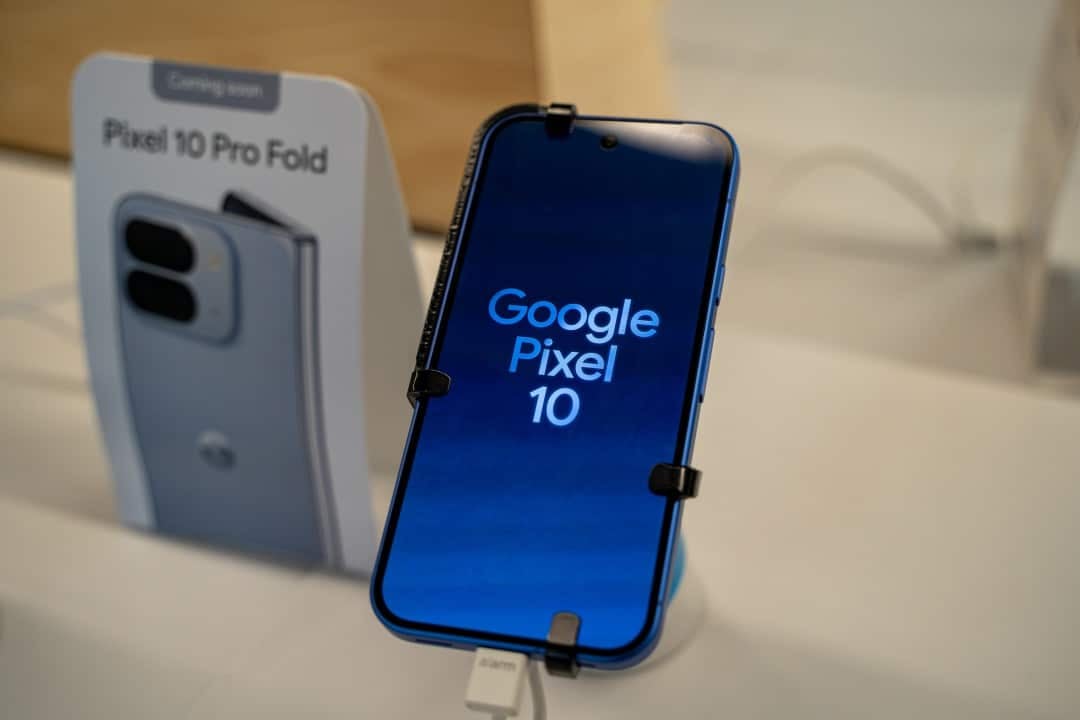
The dispute in the high-performance Android smartphone segment gains new protagonists with the arrival of the Google Pixel 10
Both devices are positioned in the premium category, with prices that reflect their advanced configurations. The Pixel 10 Pro starts at US$999, competing directly with the OnePlus 13, which hits the market starting at US$849.
Detailed analysis of their specifications, design and software resources is essential to understand each manufacturer’s proposals. Enquanto one prioritizes integration with the Google ecosystem and computational photography, the other stands out for its raw power and charging speed, offering robust alternatives for different consumer profiles in the global market.
Design and construction with different focuses
The Google Pixel 10 Pro was designed with portability in mind, featuring dimensions of 152.8 x 72 x 8.6 mm and a weight of 207 grams. Sua construction uses noble materials, such as glass on the back and a metal chassis, giving a feeling of robustness. The characteristic horizontal bar that houses the camera array not only gives it a unique visual identity, but also ensures that the device is stable on flat surfaces, preventing wobbles. The rounded edges and contained size favor grip and use with just one hand, an important difference for those looking for a flagship that is not excessively large.
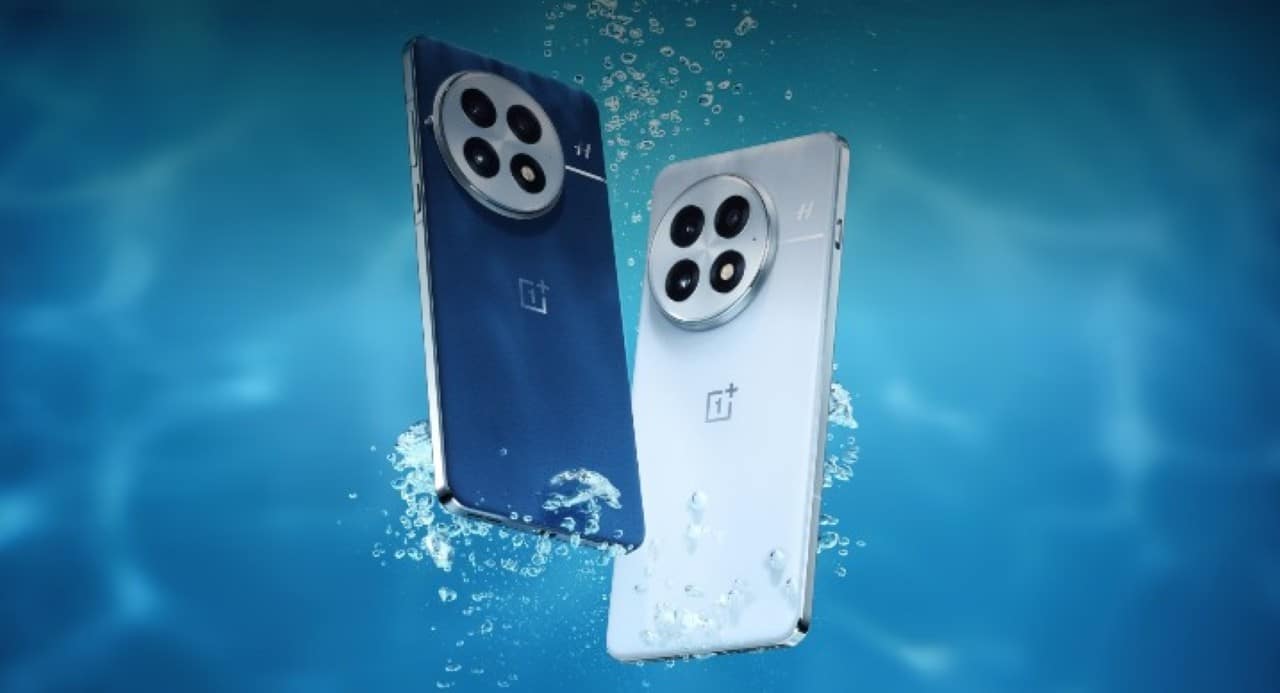
In contrast, the OnePlus 13 takes an approach that favors a wider screen experience. Suas measures 162.9 x 76.5 x 8.5 mm, with a weight that varies between 210 and 213 grams, depending on the chosen finish, which can be glass or ecological leather. The design features edges with subtle curvature and a circular camera module positioned in the top left corner, with a smaller projection compared to the competitor. Ambos models are IP68 certified, which guarantees resistance against dust and immersion in water, but the OnePlus 13 adds IP69 protection, offering extra security against high pressure and temperature water jets.
The battle of high-performance displays
The Pixel 10 Pro’s display is a 6.3-inch LTPO OLED panel with a resolution of 2856 x 1280 pixels. Este display stands out for its ability to reach a maximum brightness of 3,300 nits, which guarantees excellent visibility even in direct sunlight. LTPO technology allows the refresh rate to vary from 1 to 120Hz, optimizing power consumption by dynamically adapting to the content displayed.
The OnePlus 13, in turn, elevates the visual experience with a 6.82-inch AMOLED LTPO screen and a higher resolution of 3168 x 1440 pixels. The panel reaches an impressive peak brightness of 4,500 nits and supports technologies such as Dolby Vision and HDR Vivid, delivering more vibrant colors and improved contrast for media consumption. Protection is guaranteed by Ceramic Guard, a material that promises greater resistance to falls and scratches.
Both panels offer accurate color calibration and wide viewing angles, catering to both casual and professional users who require image fidelity. The choice between them comes down to whether you prefer a more compact and balanced screen or a larger, brighter display, ideal for games and videos.
Performance under the hood: Tensor G5 versus Snapdragon 8 Elite
The heart of the Pixel 10 Pro is the Google Tensor G5 processor, a chipset manufactured in the 3-nanometer process by TSMC, designed to optimize artificial intelligence and machine learning tasks. Embora does not seek to lead in raw performance benchmarks, its focus is on enhancing the user experience with features exclusive to the Google ecosystem, such as the Gemini assistant, real-time translation and advanced image processing. Apoiado with up to 16 GB of LPDDR5X RAM and UFS 4.0 storage, the device manages multitasking with fluidity, ensuring that navigation between applications and the execution of everyday tasks occur without choking or slowdowns. Já the OnePlus 13 is equipped with the Qualcomm Snapdragon 8 Elite, a processor that prioritizes maximum power and efficiency. Este chipset excels in synthetic tests and offers superior graphics performance, making it an ideal choice for gamers and users running heavy applications. With variants that reach 24 GB of RAM, the OnePlus 13 is prepared to handle the most demanding games on the market and intensive multitasking without compromising performance. The improved cooling system ensures that the device maintains controlled temperatures even during long sessions of intense use, delivering a consistent and stable experience.
Autonomy and charging speed
The battery is one of the points where the differences between the two models are most evident. The Pixel 10 Pro has a 4,870 mAh cell, enough capacity to guarantee a full day of moderate use without the need for recharges.
Wired charging support is 30 W, while wireless charging reaches 15 W via the Qi2 standard. Seguindo the market trend, the charger is not included in the box in most regions.
The OnePlus 13 stands out with a 6,000 mAh battery that uses silicon-carbon technology, allowing for greater energy density. Isso translates into significantly greater autonomy, ideal for intensive users.
Charging speed is another big difference, with support for 100 W wired, capable of recovering a large part of the charge in a few minutes. Wireless charging is also fast, reaching 50W.
Advanced camera systems and image processing
The Google Pixel 10 The big difference is the Google’s image processing software, which enhances details and contrast to create impactful photos.
The OnePlus 13 responds with a triple set of 50 MP sensors for the main, ultra-wide and telephoto lenses, the latter with 3x optical zoom. OnePlus’ approach seeks a result with more natural colors and less saturation, offering an image style that pleases those who prefer fidelity to the original scene. The Pixel’s front camera is 42 MP, while the OnePlus’s is 32 MP, both delivering high-quality selfies.
Software, updates and connectivity
On the software front, the Pixel 10 Pro runs a pure version of the Android, with exclusive AI features and the Google’s promise of seven years of system and security updates. Já the OnePlus 13 uses OxygenOS, an interface based on the Android that offers several customization options and optimizations for games, with support for four to five years of updates. Ambos devices are equipped with high-quality stereo speakers and the latest connectivity technologies such as 5G and advanced Bluetooth.
Prices and market availability
The Pixel 10 Pro is available in colors such as Pedra from The OnePlus 13 can be found in finishes like Eclipse Negro and Aurora Ártica, with a wider global distribution. Final prices may vary depending on the storage configuration and import policies of each country, positioning both as excellent options in the current Android ecosystem.
