
Unofficial information about the highly anticipated Monster Hunter Wilds has surfaced online, pointing to a version in development for the successor to Nintendo Switch. The leak details supposed technical features of the new console, including a fast loading mode and advanced graphics optimizations, designed to harness the power of the new platform’s hardware. Capcom, the game’s developer, already uses its graphics engine, RE Engine, in a scalable way, which reinforces the possibility of an adapted version for the future Nintendo console.
The revelations indicate a significant effort to ensure the gaming experience is fluid and visually stunning on portable hardware. Entre the details, the mention of a “FastLoadMode” stands out, a crucial feature for a non-stop, open-world title like Monster Hunter Wilds. The existence of such a mode suggests that the new console may feature a high-speed storage unit, similar to those found in current desktop consoles.
Capcom has officially announced the release of Monster Hunter Wilds for 2025 on PlayStation 5, Xbox Series X|S and PC consoles. The company, however, remained silent about a possible version for the Nintendo platform. Este new leak rekindles expectations that the game could be one of the main launch titles or the first window of the successor to Switch, strengthening its initial catalog with a hugely successful global franchise.
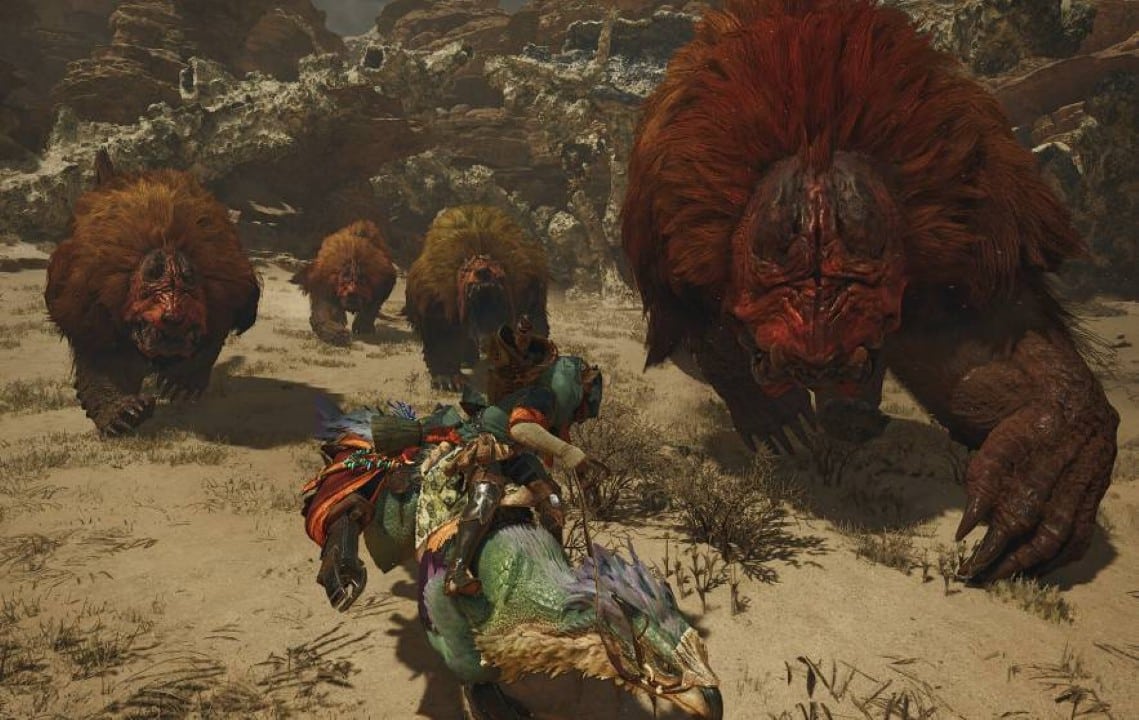
The Monster Hunter series has a history of great popularity on Nintendo consoles, with Monster Hunter Rise being one of the best-selling Switch games. The arrival of Wilds on the new device would not only continue this successful partnership, but would also serve as a clear demonstration of the console’s capabilities in running large-scale games, which until then were more associated with more powerful platforms.
‘FastLoadMode’ details and the open world
One of the most relevant points of the leak is the implementation of a “FastLoadMode”. Essa technology would be designed to drastically reduce loading times, a key element for immersion in open-world games. Em Monster Hunter Wilds, where exploration of vast, dynamic ecosystems is a pillar of gameplay, quick transitions between areas are essential.
The functionality aims to eliminate or minimize pauses that break the rhythm of the hunt, allowing players to move around the map continuously. Isso indicates that the successor to Switch may adopt a storage architecture that prioritizes data reading speed, allowing the game to load new environments and creatures in real time, without the need for lengthy loading screens.
The absence of visible interruptions during exploration is a defining characteristic of next-gen games. The inclusion of this capability in the new Nintendo console would place it on a more competitive technical level, offering a more modern user experience in line with current expectations in the gaming market.
For the franchise, this represents an evolutionary leap. Mundos Denser environments, with more wildlife and dynamic events, become possible when hardware can keep up with data demand, providing a more lively and unpredictable hunting environment for players.
Graphics optimization with RE Engine
The leak also points out that Capcom would be using the full potential of its graphics engine, RE Engine, to adapt Monster Hunter Wilds to the new hardware. RE Engine is known for its flexibility, being able to run on a wide range of platforms, from the original Nintendo Switch to high-performance PCs. Para the successor to Switch, optimizations would be focused on delivering an ideal balance between visual quality and stable performance.
Techniques like dynamic resolution and intelligent texture scaling would allow the game to adjust image quality in real time to maintain a consistent frames per second rate, even during the most intense battles with multiple monsters on screen. Isso ensures gameplay remains responsive, a critical factor in an action game like Monster Hunter where every second counts.
What does this mean for the new console
The existence of a version of Monster Hunter Wilds for the successor of Switch, with such optimizations, would function as a powerful technological showcase. The game would demonstrate the console’s ability to handle complex cross-platform titles, closing the performance gap that existed between the original Switch and its competitors. Para consumers, this means access to a broader game library, including major releases that previously might not have made it to the Nintendo platform. The presence of a highly anticipated title at or near launch would boost the console’s initial sales, attracting both fans of the franchise and new players looking for a cutting-edge experience in a hybrid format that can be played both on a TV and in handheld mode.
The importance of Monster Hunter for Nintendo
The Monster Hunter franchise has become a mainstay for Nintendo consoles, especially after the release of Monster Hunter Rise, which sold millions of units over Switch and received critical acclaim. The partnership between Capcom and Nintendo has proven to be extremely profitable and beneficial for both parties, solidifying a loyal fan base on the platform.
Continuing this collaboration with Monster Hunter Wilds into the successor to Switch is seen as a natural strategic move. The title would not only meet the demand of the existing player base, but would also attract an audience looking for more graphically rich experiences, serving as a “system seller” and justifying the upgrade to new hardware.
Rendering technologies highlighted in the leak
To achieve superior visual performance, the leak suggests using advanced rendering techniques. One of them is “Occlusion Culling”, a method that prevents the graphics processor from drawing objects that are hidden behind others, saving precious resources.
Another technology mentioned is the dynamic Nível of Detalhe (LOD) system, which adjusts the complexity of 3D models based on distance from the player. Distant Objetos are rendered with fewer polygons, while closer ones receive full detail, ensuring optimized performance without noticeable loss of visual quality.
These optimizations, combined, allow the game to display rich, detailed worlds with dense vegetation and complex creatures, while maintaining the fluidity necessary for precise action gameplay. The application of these techniques demonstrates careful development focused on the specifics of the new console’s hardware.
Official position of Capcom and Nintendo
It is essential to emphasize that, until now, the information is treated as rumors. Nem nor Capcom nor Nintendo have officially confirmed the development of Monster Hunter Wilds as the successor to Nintendo Switch. Official announcements are limited to PlayStation 5, Xbox Series X|S and PC platforms.
The gaming industry frequently deals with leaks, and while many prove true, others fail to come to fruition. Portanto, the gaming community must wait for an official statement from one of the companies to have final confirmation about the launch of the game on the future Nintendo platform.
Credibility and history of leaks
While caution is necessary, the gaming industry has a history of leaks that accurately anticipate major announcements. Capcom itself has been the target of data leaks in the past that revealed internal projects well in advance. Esse context gives a certain degree of plausibility to the information circulating, increasing expectations for a formal announcement in the coming months, possibly during the reveal of the new console.
