
Information from sources linked to the Apple production chain indicate that the company is preparing one of the biggest updates in its history for the iPhone 18 Pro line, scheduled for launch in the second half of 2026. The new devices must incorporate a processor with unprecedented 2 nanometer manufacturing technology, in addition to significant advances in the camera system and a striking visual change on the front of the device.
The new features, if confirmed, represent a considerable technological leap, with a focus on improving performance, energy efficiency and user experience. The launch strategy can also be changed, with the company prioritizing the arrival of the most advanced models on the market, which reinforces the positioning of the Pro line as a testing ground for the company’s most disruptive innovations.
Experts in the technology sector are already analyzing the possible consequences of these rumors. The introduction of a more advanced chip and the elimination of screen cutouts are seen as direct responses to the competition’s moves and an attempt to consolidate Apple’s leadership in the premium smartphone segment for another generation, setting new standards for the industry.
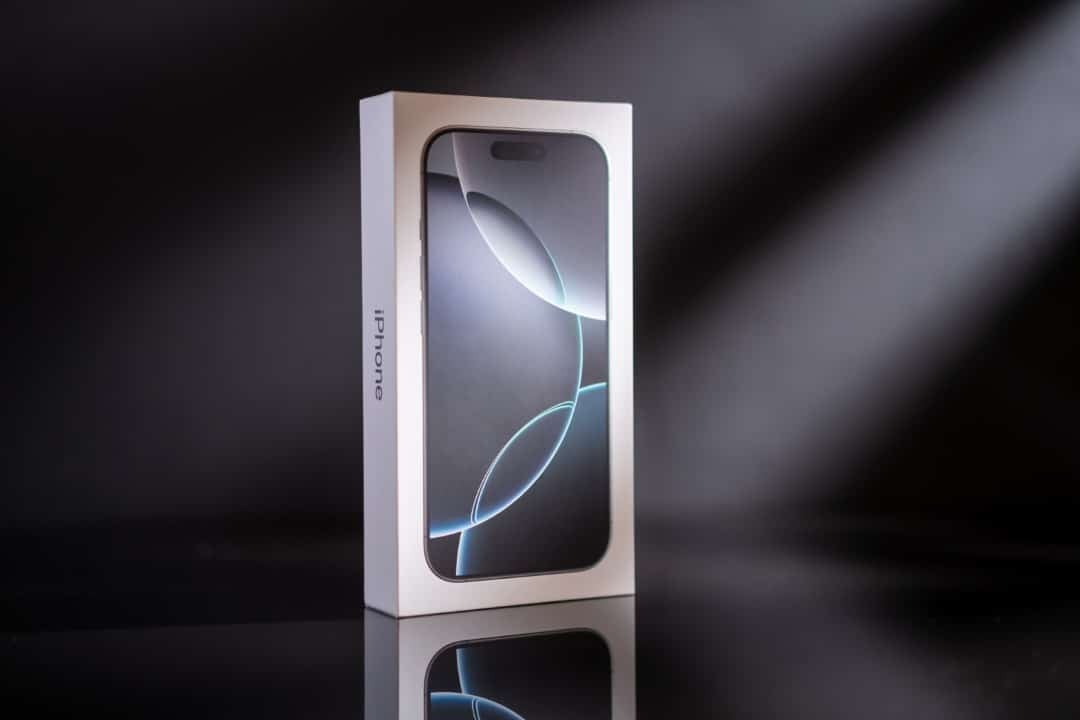
The breakthrough to 2 nanometer technology
The heart of the iPhone 18 models Pro and Essa evolution in lithography allows for a substantially higher transistor density compared to previous generations, resulting in a significant increase in performance for complex tasks such as graphics-intensive games, high-resolution video editing and artificial intelligence processing directly on the device. The expectation is that this more refined architecture will also bring notable gains in energy efficiency, extending battery life even with increased processing capacity. Multilayer packaging technology, known as WMCM, should also be employed to integrate different chip components in a more compact and optimized way.
This technological transition not only improves the end-user experience, but also solidifies Apple’s competitive advantage in semiconductor development. With deeper control over hardware and software, the company is able to optimize the ecosystem to extract maximum performance from the new chip. Funções of AI, which is becoming increasingly central to the iOS operating system, will directly benefit, enabling faster, smarter features that work offline, ensuring greater privacy. The greater efficiency of the A20
A new era for mobile photography
One of the most talked about highlights in the leaks is the possible inclusion of a mechanical iris in one of the rear cameras of the iPhone 18 Pro. Esse component allows variable control of the lens aperture, physically adjusting the amount of light that reaches the sensor, a feature previously common in professional cameras, but rare in smartphones.
This innovation would provide much more natural depth of field control, reducing the reliance on software algorithms to create the blur effect in portraits. Além Additionally, the ability to adjust the aperture dramatically improves image quality in challenging lighting conditions, such as very bright or low-light environments.
The camera system must maintain high-resolution sensors, but with improvements in light capture and image processing. The combination of new optical hardware with the processing power of the A20 Pro chip promises to further elevate photography and video recording in the Apple premium line.
Reinvented front design with immersive screen
Another significant change highlighted by rumors is the replacement of the Dynamic Island with camera technology and Face ID sensors fully integrated under the screen. Essa change would represent the biggest evolution in the iPhone’s front design since the introduction of the “notch”, offering a truly immersive and seamless viewing experience.
Successfully implementing this technology is a complex technical challenge as it requires the biometric sensors and front camera to work seamlessly across the pixel layer of the OLED display without compromising image quality or facial unlock security.
Screen sizes must be maintained at 6.3 inches for the Pro model and 6.9 inches for the Pro Max, both preserving ProMotion technology with refresh rates of up to 120 Hz. Removing any visible cutout would increase the usable display area, making content consumption and interaction with applications more enjoyable.
Display panel manufacturers are already developing and testing prototypes that meet the rigorous specifications of Apple, indicating that the technology is close to reaching the maturity necessary for mass production, consolidating a cleaner and more futuristic look for the device.
Apple’s new release cadence
Apple appears to be reevaluating its traditional simultaneous launch strategy for the entire line of iPhones. Fontes from the supply chain suggest that the company may adopt a phased schedule for the iPhone 18 family. The standard variants, in turn, would have their arrival on the market postponed until the first quarter of 2027. Essa approach would allow Apple to optimize its production lines, avoiding the bottlenecks that often occur with the introduction of new manufacturing processes, such as the 2 nm chip. Além Furthermore, the division of the launch would create two distinct marketing windows throughout the year, keeping consumer interest high for longer and even more clearly differentiating the value proposition between the Pro models and the entry-level models.
Titanium frame and proprietary connectivity
The titanium structure, introduced in previous models, should be maintained and improved in the iPhone 18 Pro, possibly with new color options and a finish that is even more resistant to scratches and signs of use. The material gives the device a combination of lightness and durability, reinforcing its premium status.
In the field of connectivity, the big news would be the consolidation of the 5G modem designed by Apple itself. The internalization of this technology, which for years depended on suppliers such as Qualcomm, guarantees the company greater control over hardware integration, optimizing connection performance and energy consumption.
Implications on market values
With the incorporation of cutting-edge technologies, such as the 2 nm processor, the mechanical iris camera system and the cutout-free screen, the prices of the iPhone 18 Pro are expected to undergo a global adjustment. The high cost of research, development and production of these advanced components tends to be passed on to the end consumer, in line with Apple’s strategy of focusing on high profit margins in the luxury segment.
Software optimizations and autonomy
The battery of new devices should receive improvements not only due to chip efficiency, but also through hardware and software optimizations. Apple continues to invest in technologies that allow greater energy density, ensuring that devices can withstand a full day of intense use without difficulties.
The iOS operating system, in its corresponding version, will be developed to exploit the full potential of the new hardware. Espera integration with the A20 chip Pro enables exclusive artificial intelligence and machine learning functionalities, making the user experience more fluid, predictive and personalized for each user.
