
A powerful arctic air mass is moving toward the center of Alabama, promising to bring dangerously low temperatures and a heightened risk of black ice forming on roads. The forecast points to a significant impact from the night of Sunday, January 25, 2026, lasting until Tuesday morning.
The imminent cold wave will cover a vast area, affecting counties such as Bibb, Blount, Calhoun, Cherokee, Chilton, Jefferson, Marion, Pickens, Shelby, St. Clair, Talladega, Tuscaloosa, Walker and Winston, according to alerts issued by meteorological authorities.
With temperatures dropping sharply after the cold front passes this Sunday, there is a real possibility that wet roads will freeze quickly. Este phenomenon creates favorable conditions for the formation of black ice, especially at the end of the night and during the early hours of the morning, making driving extremely dangerous.
Extreme cold warning and risk of invisible ice
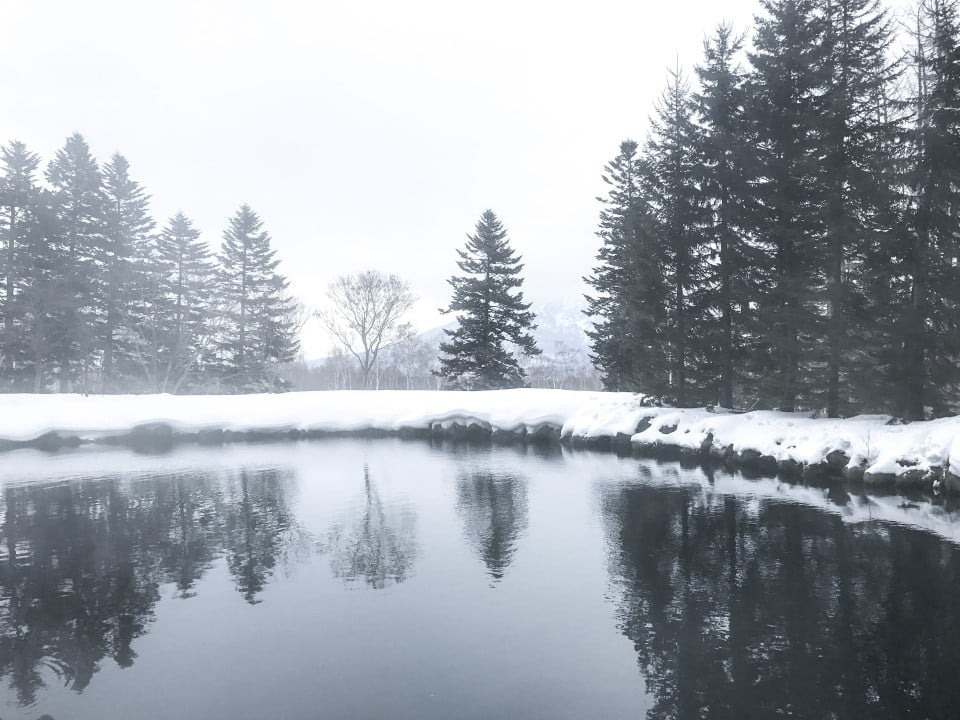
The arrival of the cold front of Arctic origin will bring a drastic decrease in temperatures, transforming any moisture present on road surfaces into a thin and dangerous layer of ice. Este process is accelerated by the combination of residual moisture and the rapid cooling of the asphalt.
Black ice poses a particular threat to drivers as it is almost transparent and hardly visible to the naked eye. Ele forms without the opacity of ordinary snow or ice, camouflaging itself perfectly with the asphalt, which prevents the perception of risk and makes quick reactions when driving difficult.
The conditions for the formation of this type of ice are more favorable in specific locations that tend to retain more moisture or receive less sunlight. Incluem bridges and viaducts, elevated roads, as well as shaded areas and sections with poor drainage, where water can accumulate and freeze more easily.
Weather warnings in force and wind chills
Serviço Nacional of Meteorologia issued severe cold warnings for most of the central region of Alabama, detailing the most critical periods. The first alert is in effect from midnight on Sunday until 10 am on Monday, covering the hours when temperatures will be lowest.
A second warning will be in effect from 9pm Monday until 9am Tuesday, indicating a persistence of extreme cold. Durante these intervals, the thermal sensation can reach values close to or below zero, and real temperatures can fall to levels between single digits and just over ten degrees Fahrenheit, which corresponds to approximately -10°C to -7°C.
Additional dangers of intense cold for infrastructure
Prolonged conditions of temperatures below zero degrees Celsius pose a serious threat to residential and urban infrastructure, with the risk of burst pipes being one of the biggest concerns. Water, when freezing, expands, exerting immense pressure on pipes, which can lead to cracks and significant leaks, causing great damage and inconvenience to residents.
Departamento of Transportes of Alabama (ALDOT) has already warned that extreme cold could drastically reduce the effectiveness of chemical treatments applied to roads to melt ice. Isso means that, even on roads that have received preventive maintenance, ice sheets can form unexpectedly, increasing the risk of accidents. Além In addition, the demand for electrical energy for heating can overload the grid, resulting in power outages that further worsen the situation, especially for those without alternative sources of heat.
ALDOT Driver Safety Recommendations
In view of the expected adverse conditions, Departamento of Transportes of Alabama (ALDOT) advises drivers to exercise caution and, if possible, avoid unnecessary trips. Road safety is paramount, and everyone’s collaboration is essential to prevent accidents during the icy period.
If travel is unavoidable, some precautions must be taken:
- Avoid traveling until conditions improve significantly.
- Slow down and maintain a much greater safe distance from the vehicle in front.
- Avoid sudden braking or sharp turns, which could result in total loss of control of the vehicle.
- Keep your headlights on, even during the day, to improve your visibility and that of others.
- Do not use cruise control on roads that may be icy.
- Keep an eye out for road maintenance crews and emergency vehicles.
- In the event of a minor collision, if it is safe to do so, remove vehicles from the roadway to avoid further incidents.
Essential measures to protect homes and people
With temperatures plummeting, it is crucial that central Alabama residents take preventative measures to ensure personal safety and the integrity of their properties. Wearing layered clothing and limiting outdoor exposure time are essential to avoid hypothermia and other health problems related to intense cold.
Additionally, protecting people and pets is a priority. Trazer bringing animals indoors and checking on the well-being of elderly neighbors or those who rely on less reliable heating can make a crucial difference. Para Protecting home infrastructure, wrapping exposed pipes with insulation or letting faucets drip slowly helps prevent freezing and subsequent bursting. When using portable electric heaters, safety must come first, and it is strictly prohibited to use generators or barbecues indoors due to the risk of carbon monoxide poisoning.
Persistence of cold weather and forecasts for the week
Weather conditions of intense cold and dry weather are expected to persist for much of the week ahead, keeping the region on continuous alert. Expected daytime highs will be between 30 and 40 degrees Fahrenheit (approximately -1 to 4 degrees
Black ice impact and prevention strategies
Black ice, due to its treacherous nature, requires robust prevention strategies from state and local authorities. Muitas cities and counties begin pre-treating roads and bridges with saline solutions days before extreme cold is predicted, aiming to slow or prevent the formation of ice. Contudo, the effectiveness of these treatments may be limited by intense rain or very low temperatures, which reinforces the need for caution on the part of drivers.
The importance of public awareness campaigns cannot be underestimated. Informar inform citizens about the specific dangers of black ice, how to identify it (although difficult) and safety measures when driving, is vital. Entender the physics behind its formation, which involves the supercooling of water before freezing and the rapid drop in temperature of the asphalt, helps contextualize the seriousness of the threat and justify safety recommendations.
Challenges for emergency services and public health
Extreme cold events like this pose significant challenges to emergency services and the public health system. Hospitais and paramedic crews are preparing for an increase in calls related to falls on slippery surfaces, cases of hypothermia, and car accidents caused by ice. Response capacity is tested, and coordination between different agencies becomes crucial.
Public health authorities also issue special warnings for at-risk populations, such as the elderly, homeless people and individuals with chronic illnesses, who are more vulnerable to the effects of cold weather. Prolonged exposure to low temperatures can exacerbate pre-existing conditions and lead to serious complications, such as respiratory and cardiovascular diseases.
Increased demand for emergency services can overwhelm available resources, from ambulances to hospital beds. The community plays an important role in following safety guidelines and helping the most vulnerable, relieving some of the pressure on healthcare professionals and first responders who work tirelessly in these conditions.
History of extreme weather events in the Alabama
Alabama, a state known for its climate diversity, is no stranger to extreme weather events, including winter storms and cold snaps. Embora Best known for its tornadoes and hot summers, the region has experienced notable episodes of ice and snow that have caused significant outages.
Past events have served as important lessons for the state, leading to improved contingency plans and improved emergency response infrastructure. The memory of harsh winters, even if sporadic, shapes current preparation for phenomena like black ice.
The adaptation and response capacity of the population and authorities is constantly tested, and each new extreme weather event contributes to the state’s experience in dealing with the unpredictability of the weather. The complexity of weather systems ensures that vigilance and preparedness remain constant.
These past experiences reinforce the continued need for public education about winter safety and the importance of following official guidance to mitigate risks and protect lives and property during these periods of challenging weather conditions.
Community preparedness and available resources
Community mobilization plays a vital role in mitigating the impacts of a cold wave as intense as that predicted for central Alabama. Grupos of volunteers and local organizations often organize to provide assistance to vulnerable citizens, ensuring they have access to clothing, food and, crucially, warm places to protect themselves. Solidarity between neighbors, with regular check-ins on each other’s well-being, is an essential pillar of resilience during such events.
Many cities have activated temporary shelters and warming centers in public spaces, such as gyms and community centers, offering a safe haven for those who do not have adequate heat in their homes or who face the risk of exposure. It is critical that citizens know where these resources are located and how to access them. Além Additionally, public information channels, including social media and government websites, are constantly updated to provide real-time guidance and alerts.
The role of local governments and nonprofit organizations is invaluable in coordinating the response to extreme cold. Eles work to ensure there are sufficient supplies, prepared emergency teams and effective communication with the population. Encoraja It is strongly urged that all citizens closely monitor official weather updates and follow authorities’ recommendations to stay safe and protected throughout the period of low temperatures.
