
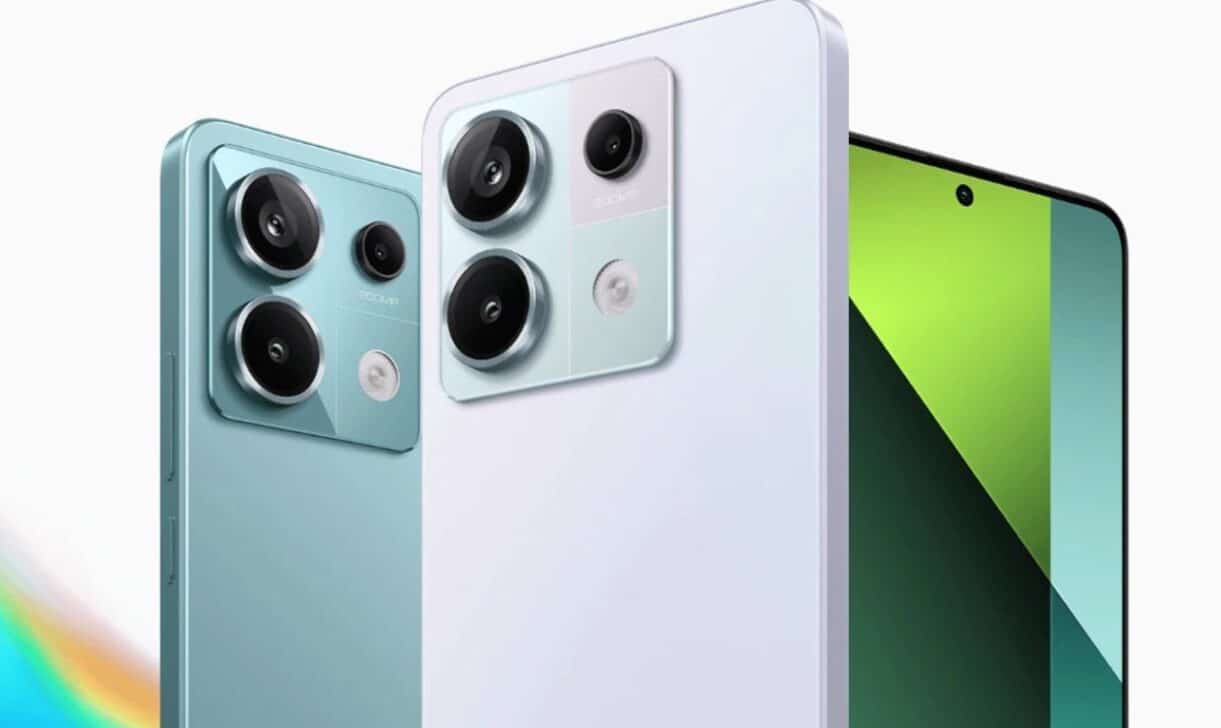
A new operating system update from Xiaomi is causing serious problems for owners of certain smartphone models. Usuários of Redmi Note 13 Pro 4G and POCO M6
The flaw does not affect all devices, but specifically affects those purchased through unofficial channels. In Nesses cases, resellers install a modified global firmware on hardware that was originally manufactured for the Chinese market. Essa practice, common in the parallel import market, creates an incompatibility with the new security mechanisms implemented by the manufacturer.
Xiaomi has already taken a position on what happened, confirming the cause of the problem and informing that it will not provide a software fix for the affected devices. The company attributes the failure to the detection of corrupted data in the devices’ modem, a direct consequence of firmware changes carried out by third parties.
What is the new HyperOS 3 system
HyperOS 3 represents the latest evolution of the Xiaomi operating system, built on the foundation of Android 16. The Esta version is designed to unify the brand’s product ecosystem, offering a more cohesive and intelligent user experience. Entre The main new features are significant improvements in performance, with optimizations that promise greater fluidity in animations and more efficient energy management, resulting in longer battery life. The interface has also been refined, with new visual elements, advanced lock screen customization options and a redesigned control center for more intuitive access. Além In addition, the system deepens the integration of artificial intelligence resources, which improve functions such as editing photos in the gallery and proactive suggestions from the virtual assistant. The main focus of this update, however, was strengthening security, with the implementation of more rigorous scanning algorithms during system startup, designed to protect users against unauthorized modifications and ensure software integrity.
The technical cause behind the blockage
The root of the problem lies in a new HyperOS 3 security protocol. Durante the boot process, the system now performs an integrity check on the data stored in the modem partition, known as NVRAM. On devices that have been converted from the Chinese version to the global version by unauthorized resellers, this data is changed to enable Google network bands and services, which causes an inconsistency detected by the new operating system. Quando HyperOS 3 identifies this discrepancy and interprets it as a critical security flaw or data corruption, preventing boot as a protective measure.
This practice of “flashing” a global ROM on Chinese hardware is common to make devices more attractive on the international market, but it often corrupts low-level components of the system. In previous versions of the Xiaomi software, these checks were not as strict, allowing devices to function normally. With the new security policy, the company effectively blocked this loophole, which resulted in modified devices that tried to install the OS3.0.4.0 or higher update becoming unusable. Modelos purchased from official stores or certified distributors do not have such modifications and, therefore, receive the update without any complications.
Official position of Xiaomi
In an official statement, Xiaomi acknowledged the existence of the problem, but directed responsibility to unauthorized sales channels. The company explained that the affected devices have “corrupt data in the NV modem”, making them incompatible with the new operating system security requirements.
The manufacturer was clear in stating that there will not be a correction patch or software update to resolve the block on these devices. The statement reinforces the recommendation that consumers purchase Xiaomi products only through authorized sales channels, thus ensuring access to full technical support, warranty and secure and compatible system updates.
Temporary solutions available
For users who have already had their devices blocked by the update, there is a temporary solution that can restore the device’s functionality. The method consists of forcing multiple consecutive restarts by pressing the power and volume buttons simultaneously for several seconds.
After several attempts, the system may enter an automatic recovery mode. Nesse mode, the software reverses the unsuccessful installation and restores the previous version of the system, usually HyperOS 2.2, allowing the smartphone to be used normally again.
It is crucial that after recovery, the user does not try to install the OTA (Over-The-Air) update again as the issue will occur again. The recommendation is to disable automatic updates in the system settings to avoid accidental blocking again.
Recommendations to avoid risks
For owners of imported Xiaomi smartphones, especially the Redmi Note 13 Pro 4G and POCO M6 Pro 4G models, the main recommendation is to check the authenticity of the firmware before installing any system updates. Existem applications available on Play Store that can help identify whether the installed ROM is an official version or one modified by third parties.
If the device was purchased on the parallel market, the safest course of action is to avoid installing major operating system version updates. Manter the device on the current version of HyperOS ensures stability and avoids exposure to the risk of permanent lockout.
Another preventative measure is to access the device’s developer settings and disable the automatic system updates option. Isso gives the user full control over when and if a new version will be installed, allowing more time to research the compatibility and security of the update.
In the long term, the advice of Xiaomi and experts is to always give preference to purchasing devices from certified resellers. Embora the price may be a little higher, the guarantee of receiving a product with compatible hardware and software, in addition to official support, prevents headaches and financial losses.
Positive features of HyperOS 3 on supported devices
Despite the problem on modified devices, on official models HyperOS 3 offers an improved user experience. Usuários of supported devices report snappier performance, with smoother animations and superior haptic feedback. Battery management has been optimized, and the new artificial intelligence features in the camera and photo gallery bring useful features for everyday life, consolidating the system as a robust and modern interface.
Impact on the parallel import market
This incident serves as a significant warning about the risks associated with purchasing electronics in the parallel import market. Muitos consumers are attracted by lower prices, but end up exposed to problems such as lack of warranty, inadequate technical support and, as in this case, software incompatibility that can render the product unusable.
Xiaomi’s measure, although harmful to affected users, can be seen as an effort to protect the integrity of its ecosystem and combat practices that could compromise device security. The situation should impact consumers’ trust in unofficial resellers and reinforce the importance of authorized distribution channels.
