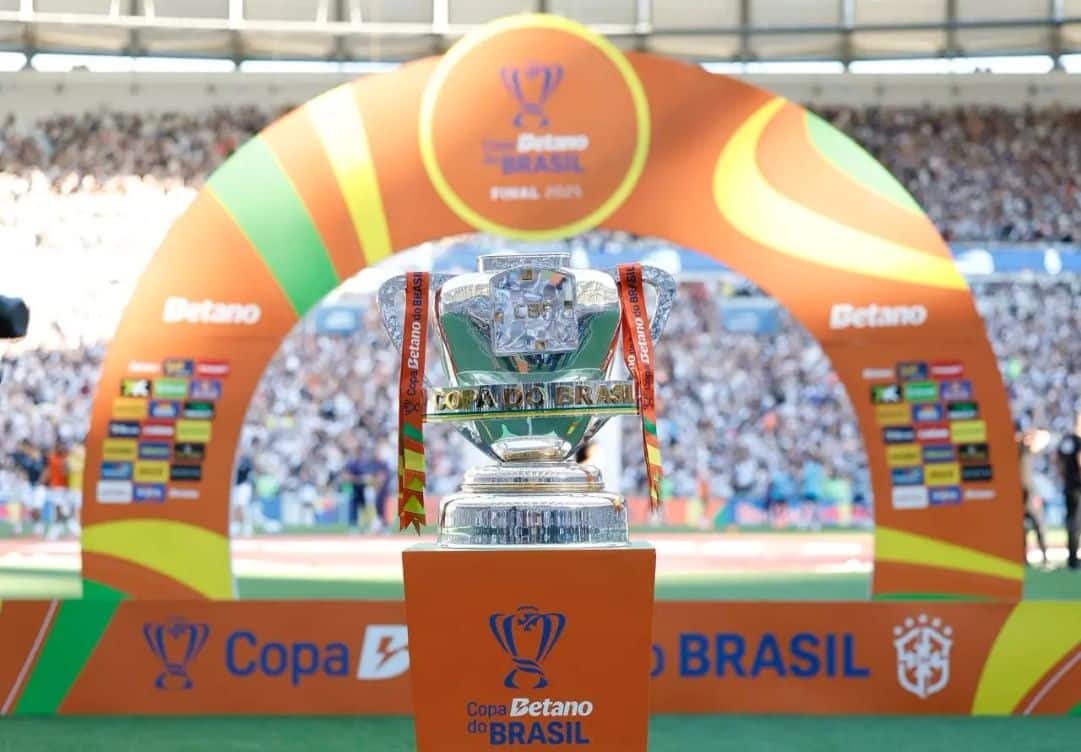
The Brazilian Football Confederation (CBF) is set to host the highly anticipated draw for the second phase of the Copa do Brasil 2026 this Wednesday (28), marking a crucial step for clubs across the nation. Eighty-eight football clubs eagerly await their fate as they learn their opponents in the knockout competition.
This significant event will see these teams allocated into eight distinct pots, determining the matchups that will shape the early stages of one of Brazil’s most prestigious tournaments. The draw sets the stage for a series of intense confrontations, with a mix of established powerhouses and aspiring regional clubs.
Fans and analysts alike are closely watching the proceedings, as the structure of the draw promises exciting clashes and potential upsets from the outset. The second phase is a pivotal moment for all participants, defining their path deeper into the competition.
Draw mechanics explained
The second phase of the Copa do Brasil 2026 will feature a specific confrontation format designed to ensure a balanced and dynamic set of matches. Clubs from Pot A will face those in Pot H, while teams in Pot B are slated to play against those in Pot G. Similarly, matchups will unfold between Pot C and Pot F, and Pot D and Pot E, establishing clear pathways for advancement. Each tie in this stage consists of two legs, intensifying the competition and demanding consistent performance from all participating clubs.
Key dates confirmed for second phase
The schedule for the second phase matches has been officially set, providing a clear timeline for the upcoming clashes. Teams will first meet for their initial leg on February 25, setting the tone for their two-part battles.
The decisive return leg encounters are then programmed for March 4, where clubs will vie to secure their passage to the next stage of the tournament. These dates underscore the rapid pace of the Copa do Brasil knockout format.
Competition structure and seeding principles
Eighty-eight clubs are strategically divided into eight distinct pots, comprising 74 established teams alongside 14 victors from the initial qualifying phase. This structured seeding process ensures a broad representation of Brazilian football, giving both prominent clubs and emerging regional contenders their place in the national spotlight. Pots G and H are specifically reserved for the teams that successfully navigate the demanding initial phase, adding an element of unpredictability to the overall draw.
The seeding methodology often considers various factors, including national ranking, recent performance in state leagues, and historical success in the Copa do Brasil itself. This approach aims to create a balanced competitive environment while also setting up compelling fixtures, where lower-seeded teams have the opportunity to challenge and potentially overcome higher-ranked opponents, contributing to the tournament’s reputation for thrilling narratives and unexpected outcomes.
Top-tier clubs dominate early seedings
Pot A features a formidable lineup of top-tier Brazilian clubs, including Fortaleza, Juventude, Atlético-GO, América-MG, Ceará, and Cuiabá. These teams represent some of the strongest contenders in the tournament, bringing significant experience and championship aspirations to the early rounds.
The comprehensive pot breakdown
The full allocation of clubs across all eight pots reveals the intricate balance of the Copa do Brasil 2026, encompassing teams from various divisions and regional strengths. This detailed breakdown allows fans to identify their club’s potential adversaries and chart a speculative course through the competition.
Below is the complete list of teams as they have been designated within their respective pots:
* Pote A
* Fortaleza, Juventude, Atlético-GO, América-MG, Ceará, Cuiabá, Goiás, Sport, CRB, Vila Nova-GO, Operário-PR
* Pote B
* Avaí, Novorizontino, CSA, Amazonas, Tombense-MG, Volta Redonda, Guarani, ABC, Londrina, Retrô, Ypiranga-RS
* Pote C
* Athletic-MG, Botafogo-PB, Maringá, São Bernardo, Caxias-RS, Figueirense, América-RN, Manaus, Altos-PI, Nova Iguaçu, Águia de Marabá-PA
* Pote D
* Anápolis-GO, Sousa-PB, Tocantinópolis, ASA-AL, Porto Velho, Ceilândia-DF, Portuguesa-RJ, Trem-AP, Juazeirense, Itabaiana, Maranhão
* Pote E
* Santa Cruz, Tuna Luso, Maracanã-CE, Cianorte-PR, Operário-MS, Jacuipense, Capital-DF, Fluminense-PI, São Luiz-RS, Operário-MT, Manauara
* Pote F
* Azuriz, Rio Branco-ES, Boavista-RJ, GAS-RR, Guarany-RS, Mixto-MT, Portuguesa-SP, Atlético-BA, Lagarto, Capital-TO, Independência-AC
* Pote G
* Joinville, Uberlândia-MG, Imperatriz-MA, Penedense, Porto Vitória-ES, Castanhal-PA, Nacional-AM, Oratório, Vencedor grupo 1, Vencedor grupo 2, Vencedor grupo 3
* Pote H
* Vencedor grupo 4, Vencedor grupo 5, Vencedor grupo 6, Vencedor grupo 7, Vencedor grupo 8, Vencedor grupo 9, Vencedor grupo 10, Vencedor grupo 11, Vencedor grupo 12, Vencedor grupo 13, Vencedor grupo 14
Initial phase: the pathway to the main draw
Before the main second phase draw, fourteen teams must earn their spots through a rigorous initial qualifying stage, showcasing the depth of talent across Brazil. These preliminary matches are crucial, as their winners will complete the lineups of Pots G and H, directly influencing the subsequent draw.
The first phase offers a unique opportunity for smaller clubs to make a name for themselves, battling for the chance to face some of the nation’s footballing giants. Each victory in this stage represents a significant step towards national recognition and potential financial rewards.
These preliminary encounters are highly anticipated, as they will determine the complete roster for the second phase, adding to the excitement and competitive spirit of the Copa do Brasil 2026.
Below are the matchups for the first phase of the Copa do Brasil:
* Grupo 1 – Ji-Paraná x Pantanal-MS
* Grupo 2 – Independente-AP x Ivinhema
* Grupo 3 – Madureira x Baré-RR
* Grupo 4 – Gama-DF x Monte Roraima-RR
* Grupo 5 – Galvez-AC x Guaporé-RO
* Grupo 6 – Velo Clube x Vasco-AC
* Grupo 7 – Primavera-SP x Araguaína
* Grupo 8 – Sampaio Corrêa-RJ x Desportiva-ES
* Grupo 9 – Betim x Piauí
* Grupo 10 – Tirol-CE x América-SE
* Grupo 11 – Santa Catarina-SC x IAPE-MA
* Grupo 12 – Porto-BA x Serra Branca-PB
* Grupo 13 – Maguary-PE x Laguna-RN
* Grupo 14 – Bragantino-PA x Primavera-MT
Strategic implications and tournament prospects
The second phase draw carries significant strategic weight for all clubs involved, dictating their immediate challenges and potential trajectory in the tournament. For top-seeded teams, navigating these early rounds efficiently is crucial to conserving energy for later stages and maintaining their championship ambitions.
Conversely, for clubs from lower pots, each matchup presents a monumental opportunity to achieve a celebrated upset. A victory against a more established opponent not only propels them further but also provides invaluable exposure and financial incentives vital for their development.
The two-leg format introduces an additional layer of tactical planning, requiring teams to manage home and away advantages carefully. Coaches will meticulously analyze their opponents, crafting strategies that account for differing playing conditions and the aggregate score.
Ultimately, the Copa do Brasil serves as a demanding proving ground, where resilience, tactical acumen, and individual brilliance are equally important. Every club, regardless of its pot, views this draw as a chance to etch its name into the history of Brazilian football.
