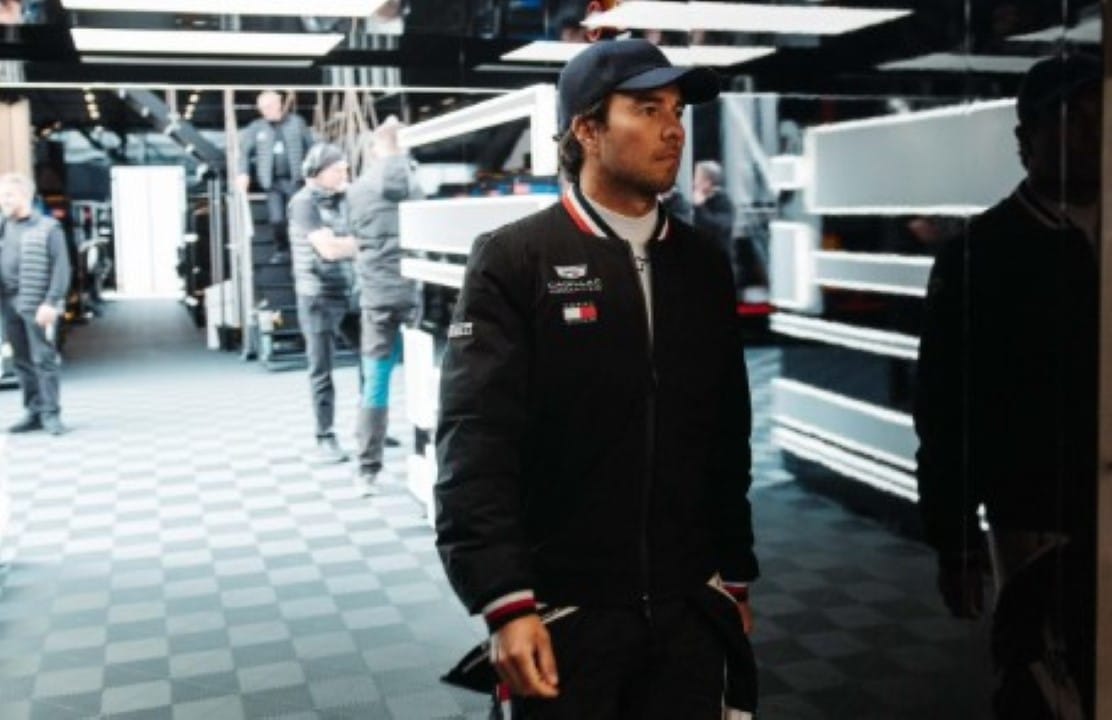
Sergio Essas questions arose in the initial phase of validating the single-seater designed for the regulations that come into force next season.
The North American team will share the grid with ten other teams from 2026. The problems reported by Pérez are part of the expected process for a structure that develops car and engine simultaneously. Valtteri Bottas also participated in the sessions and contributed similar feedback on reliability.
Testing has been taking place at Barcelona since the beginning of the week. Cadillac prioritizes data collection over pure performance, focusing on resolving early design limitations.
Regulatory changes for 2026
The 2026 regulation introduces power units with greater electrical participation. The hybrid system gains significant power, while the combustion engine reduces its contribution and starts to operate exclusively with sustainable fuels.
The chassis receive changes to reduce weight and aerodynamic drag. Essas modifications aim to facilitate overtaking and closer disputes between cars. Established Equipes need to adapt concepts developed since 2022, but Cadillac starts from scratch in all technical aspects.
The combination of new features forces recalibration of simulations and wind tunnel tests. Muitas solutions used until 2025 lose their validity with the new rules.
Rookie team challenges
Cadillac deals with building internal processes parallel to technical development. Departamentos need to align workflows between factory and track for quick decisions during sessions.
Unlike consolidated teams, the North American structure validates basic components while forming operational routines. The initial program in Barcelona divides tasks between diagnosis and essential data collection.
- Mapping reliability failures in different systems;
- Engine and battery tests with power map variations;
- Initial ergonomic adjustments for pilots;
- Checking integration between brakes and steering.
These activities drive development in the coming weeks of testing.
Test program on Barcelona
The Cadillac completed limited mileage in the first few days on the Espanha. Bottas drove more than 30 laps in the morning in one of the sessions, while Pérez totaled just over ten laps in the afternoon on the same day.
The priority remains on building reliability. Cada back contributes to forming a solid database that guides future updates.
Engineers organize sessions to attack specific areas of the project. The team chose to resolve identified issues rather than force more laps when limitations arose.
Contribution from experienced pilots
Sergio Pérez brings recent experience of competitive cars from Red Bull. Valtteri Bottas has spent years working on champion structures and reconstruction projects, which helps in the formation phase of Cadillac.
Both convey detailed impressions of cornering stability and hybrid system response. Esses reports help adjust initial mechanical setups.
- Sensations of balance at low and high speeds;
- Identification of limitations in the single-seater’s handling;
- Suggestions for preliminary aerodynamic modifications;
- Comparisons with previous generation models when applicable.
The duo accelerates the process of understanding the new car’s behavior.
Initial focus on reliability
Cadillac focuses its efforts on diagnosing technical issues in the first days on the track. Problemas on the power unit and electronics appear as a normal part of a new project.
Pérez described the presence of failures in several components, but considered the day positive as it allowed early identification. The team uses this information to correct routes before more advanced testing.
Bottas reinforced that similar difficulties affect other teams in the regulatory transition. The goal involves completing races and accumulating constant learning.
Organizational preparation
Forming efficient communication between the factory and the racetrack represents an additional challenge for Cadillac. Rotinas Real-time decision making during testing requires synchronization across sectors.
The North American team builds departments from scratch while validating the single-seater. Essa Duplicity of tasks differentiates the project from traditional teams that simply adapt existing structures.
Internal alignment gains equal importance to pure technical progress. Sessões in Barcelona are used to test operational flows in addition to mechanical components.
Importance of initial mileage
Completing laps in 2025 and early 2026 sets the benchmark for updates throughout the year. Cadillac treats reliability issues as an expected step in completely new projects.
Pre-season testing indicates development directions without revealing full potential. Para rookies, accumulating data is a higher priority than lap times.
The team uses the period in Barcelona to build a solid foundation. Resolução of problems identified by Pérez and Bottas accelerates the car’s maturity.
Technical perspectives of the single-seater
The Cadillac car incorporates aggressive aerodynamic concepts for the new rules. Redução of drag aims to improve wheel-to-wheel disputes in accordance with the objective of the regulations.
Integration between electric and combustion engines receives special attention in tests. Mapas of power vary to collect information under different conditions of use.
Suspension and steering adjustments undergo constant validation. Feedback of pilots guides modifications that balance performance and handling.
Development strategy
Cadillac plans additional private testing after Barcelona. Programas complements help to resolve limitations found on the Spanish track.
Rival teams also face adaptations to the expanded hybrid regulations. The collective transition levels part of the grid in the initial phase of 2026.
The North American structure relies on the experience of Pérez and Bottas to accelerate the learning curve. Accumulated Quilometragem defines the pace of progress in the next steps.
Hybrid systems integration
Increased electrical participation requires precise battery calibration and energy recovery. Testes in Barcelona include varying cycles to map system behavior.
Transitions between power modes undergo detailed analysis. Engenheiros seek to optimize delivery on curve exits and straights.
Electronic components receive updates based on collected data. Confiabilidade in this area represents priority to avoid stops during races.
Initial ergonomic adjustments
Riding position and internal controls adjust to the preferences of Pérez and Bottas. Modificações improve comfort on long sessions and precision on fast laps.
Pedals and steering wheel receive refinements during track days. Integração with brake systems energy influences sensations transmitted to riders.
These changes contribute to more accurate feedback on the car’s overall balance. Ergonomia suitably accelerates adaptation to the new generation of single-seaters.
