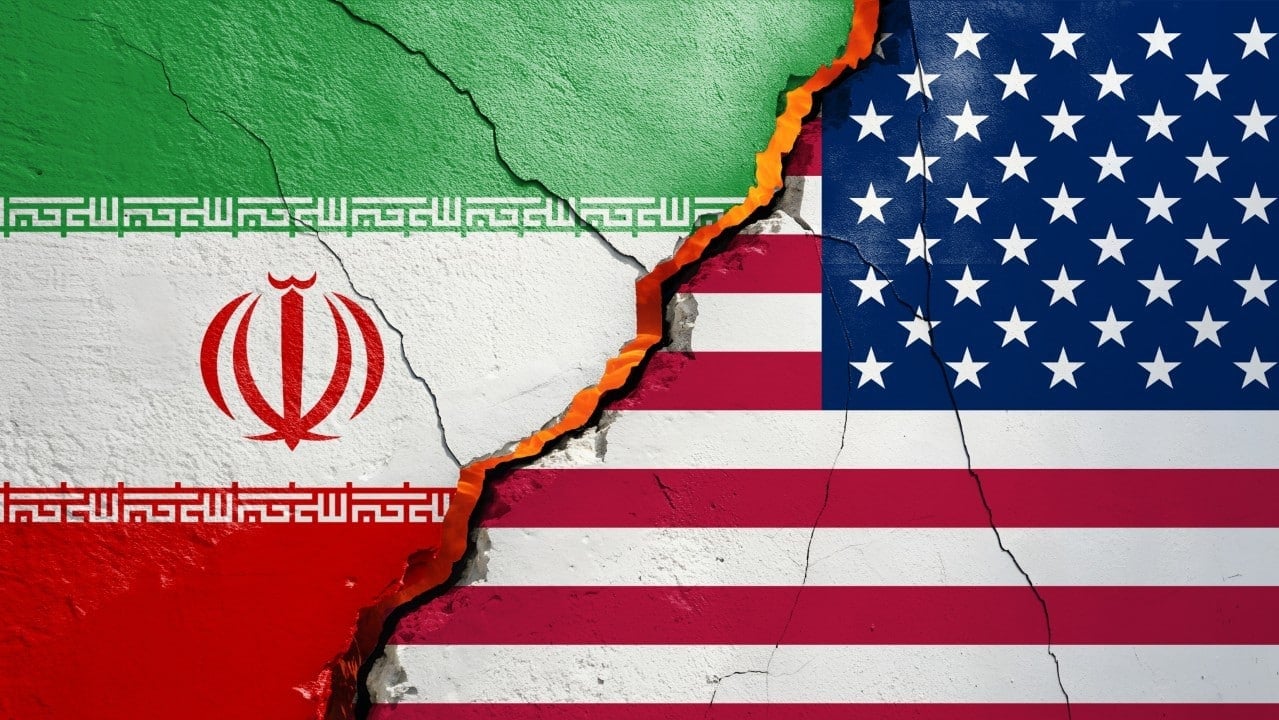
Iran’s Supreme Leader, Ayatollah Ali Khamenei, recently delivered a stark warning: any military strike by the United States against Iran would inevitably ignite a broader regional conflict. This declaration emerges amidst persistent high geopolitical strain between Washington and Tehran in early 2025.
The leader’s statement, widely reported by state media, reinforces Iran’s consistent stance on its sovereign defense capabilities. It underscores a long-established red line for the nation regarding its territorial integrity and security.
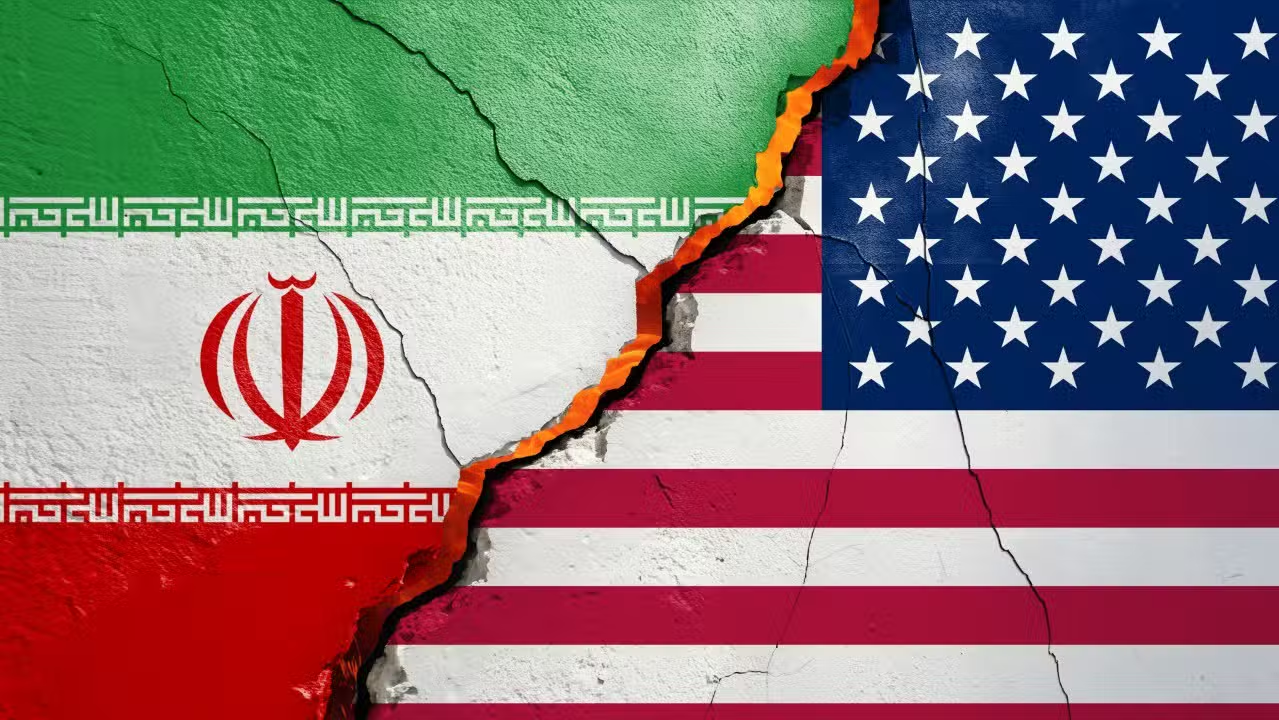
Concurrently, the United States maintains a substantial naval presence throughout the Middle East. US administrations emphasize commitment to regional stability, often warning of intervention if Iran fails to comply with international demands.
Escalating regional tensions
The Middle East’s geopolitical environment remains complex, marked by a precarious balance of power. Persistent proxy engagements contribute to an unstable atmosphere where any misstep could swiftly lead to widespread hostilities.
Underlying disagreements between Tehran and Washington, particularly concerning Iran’s nuclear ambitions, continue unabated. These fundamental disputes perpetuate a cycle of threats, keeping the entire region on constant alert.
Tehran’s unwavering stance on defense
Ayatollah Khamenei directly addressed US military deployments, dismissing them as intimidation tactics. He affirmed the Iranian populace would neither be cowed nor agitated by such overt displays of military force.
He reiterated Iran’s policy of non-aggression, stating the nation is not an initiator of conflict. However, Khamenei unequivocally warned Iran is prepared to inflict a severe blow upon any entity that dares to assault or threaten it.
This resolute rhetoric reflects both a strong nationalistic ethos and a strategic doctrine centered on robust deterrence. Iran views its advanced defense programs, including ballistic missiles, as indispensable tools for national security.
US military presence and deterrents
The United States Navy’s strategic deployment in the Middle East for 2025 includes a formidable array of assets designed to project power and safeguard maritime security. These forces typically comprise multiple guided-missile destroyers, a potent aircraft carrier strike group, and various specialized combatant vessels. They are positioned to control key strategic waterways, crucial for international commerce and counter-illicit activities.
Washington consistently justifies this significant military footprint as vital for protecting American interests and ensuring regional stability. The continuous presence of these forces offers substantial operational agility and readiness for various scenarios, including responses to threats against allies or direct challenges to regional operations.
Domestic challenges and state control
Internally, Iran confronts a complex mixture of economic hardship, social grievances, and demands for greater political freedoms. High inflation, persistent unemployment, and perceptions of corruption fuel discontent.
While large-scale protests are managed through the state’s comprehensive security apparatus, the root causes of public dissatisfaction endure. Authorities frequently attribute these internal challenges to foreign interference.
Historical crackdowns on dissent have resulted in casualties and numerous arrests, drawing international condemnation. These events underscore the government’s unwavering commitment to maintaining internal order.
The regime consistently characterizes these domestic disturbances as “sedition,” designed to target governing institutions. This narrative legitimizes security responses against perceived foreign-backed plots.
Pathways to diplomacy
Despite prevailing hawkish rhetoric and military posturing, the avenue for diplomatic resolution to US-Iran tensions remains partially open. Tehran expresses willingness to engage in “fair” negotiations, but firmly stipulates that discussions must not undermine its inherent defensive capabilities. This highlights Iran’s conviction its military programs are non-negotiable elements of national sovereignty, essential for deterring external threats and maintaining regional equilibrium, posing a significant challenge for any potential diplomatic breakthrough.
Global implications of confrontation
The international community observes the intensifying US-Iran dynamic with profound concern. A direct military confrontation could severely destabilize global energy markets, jeopardize regional security, and inflict immense human suffering, prompting urgent calls for de-escalation.
Navigating a fragile peace
The current state of US-Iran relations is precariously balanced between aggressive deterrence and cautious diplomatic engagement. Both nations steadfastly articulate their non-negotiable limits, creating an environment where de-escalation demands strategic acumen.
Ultimately, averting a devastating regional war hinges on persistent efforts from all involved parties, complemented by international pressure for dialogue. The global community hopes astute leadership will guide the situation away from conflict.
