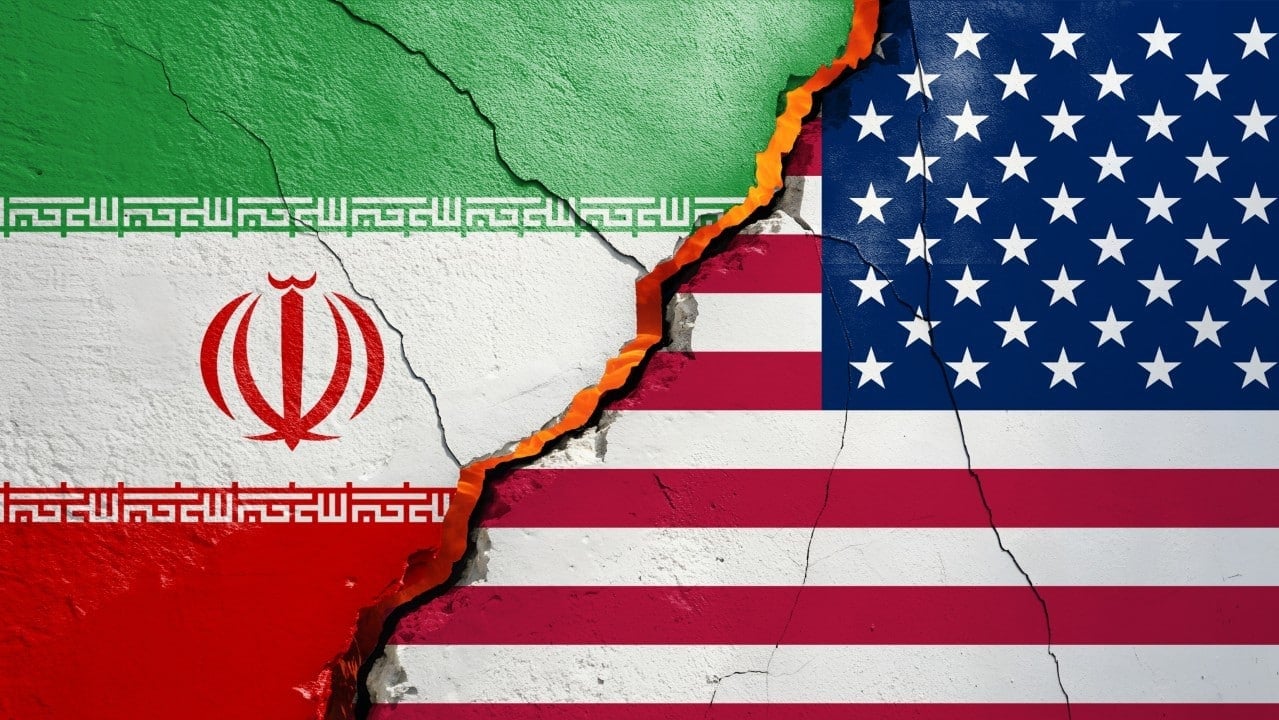
Tehran has designated the armies of European Union member states as “terrorist groups,” escalating a diplomatic row sparked by the EU’s decision to blacklist Iran’s Islamic Revolutionary Guard Corps (IRGC). This significant move was announced by the Iranian parliament’s president, Mohammad Baqer Qalibaf, highlighting a sharp increase in hostilities between Iran and Western powers in early 2025.
The announcement came after the European Union’s recent designation of the IRGC as a terrorist organization on Thursday, January 29, 2025. This EU action marked a notable shift in its approach to Iran’s leadership, intensifying pressure on the Iranian regime over its violent crackdown on widespread protests. The reciprocal designation by Iran signifies a direct challenge to European security frameworks.
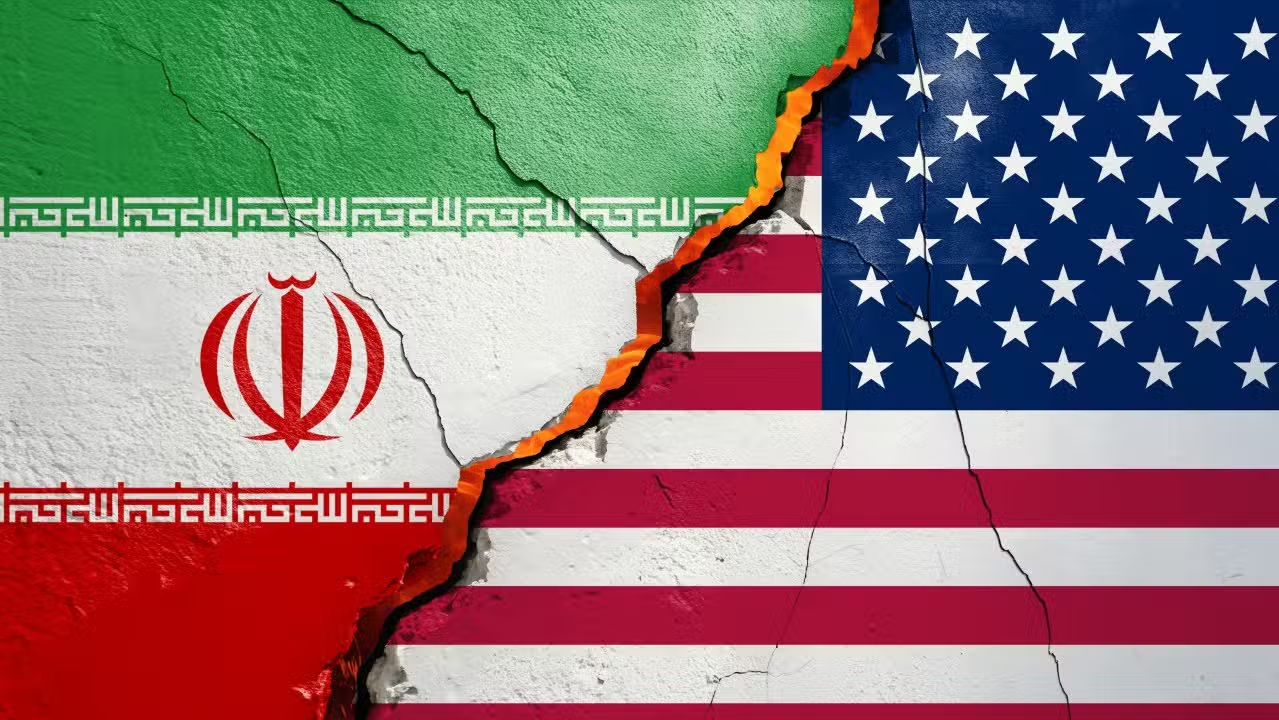
Qalibaf asserted that the EU’s decision against the IRGC was a misstep. He accused European nations of acting against their own interests and blindly following American directives, further stressing the volatile nature of the current geopolitical landscape.
Iran’s swift legislative countermeasure
Speaking to parliamentarians this Sunday, February 1, 2025, Qalibaf declared that the retaliatory measure was enshrined in law. He specified that Article 7 of Iran’s law on countermeasures against the designation of the IRGC as a terrorist organization would now apply.
This legal framework formally designates the military forces of all European countries that supported the IRGC’s listing as terrorist entities. The move is not merely symbolic, aiming to establish a legal basis for future actions and signaling Tehran’s unwavering stance.
EU’s pivotal designation of IRGC
The European Union’s decision to categorize the IRGC as a terrorist organization stemmed from increasing international pressure. This included persistent calls from human rights organizations and several EU member states to condemn the IRGC’s involvement in suppressing internal dissent and its broader destabilizing activities in the Middle East.
The designation by the EU sought to impose further sanctions and isolate key figures within the Iranian security apparatus. It aimed to curtail their financial networks and operational capabilities, reflecting a concerted effort to hold the Iranian leadership accountable for its actions both domestically and internationally.
Tehran claims European self-sabotage
According to Qalibaf, the European move against the IRGC was akin to “shooting themselves in the foot.” He argued that by targeting a core institution of the Islamic Republic, Europe had undermined its own strategic interests, potentially leading to unforeseen consequences.
The Iranian parliamentary president reiterated claims that Europe’s actions were dictated by Washington. This narrative frequently appears in Iranian discourse, framing European policy as subservient to American foreign policy objectives, especially concerning Iran.
Such rhetoric aims to discredit the legitimacy of European decisions in the eyes of the international community, particularly among non-Western states. It also serves to bolster internal support for the Iranian government’s defiant stance against perceived external pressures.
Looming diplomatic expulsions debated
Beyond the classification, Qalibaf indicated that the parliamentary national security commission would deliberate on expelling military representatives from EU embassies in Tehran. This measure would further strain diplomatic relations, potentially leading to a significant reduction in diplomatic presence.
The commission is set to follow up on this matter directly with the Ministry of Foreign Affairs. Such a step would mark a substantial escalation, moving beyond rhetorical condemnation to concrete diplomatic action that could impede channels of communication.
Expelling military attachés would remove crucial intelligence-gathering and liaison opportunities for EU nations, complicating their understanding of Iran’s security landscape. It also signifies a further step toward mutual isolation, eroding the already fragile diplomatic ties. The implications could extend to broader diplomatic missions, potentially leading to a tit-for-tat expulsion of Iranian diplomats from European capitals.
Fiery parliamentary reaction underscores tensions
Following Qalibaf’s address, Iranian parliamentarians erupted in chants, shouting “Death to America! Shame for Europe!” This public display of defiance and anti-Western sentiment highlights the deep-seated animosity prevalent within certain sectors of the Iranian political establishment. These chants are not uncommon in the Iranian parliament and public rallies, reflecting a long-standing revolutionary ideology that views the United States as the “Great Satan” and its European allies as complicit in perceived injustices against Iran. The vigor of these shouts underscores the high emotional charge surrounding the IRGC’s status and the determination of hardliners to resist any external pressure, sending a clear message both domestically and internationally about Iran’s resolve.
Broader implications for regional stability
This latest exchange of hostile designations between Iran and the European Union has far-reaching implications for regional stability and international relations. It signals a heightened period of confrontation, potentially impacting diplomatic efforts to de-escalate other regional conflicts and raising concerns about security in vital waterways such as the Strait of Hormuz.
